

Intro paragraph
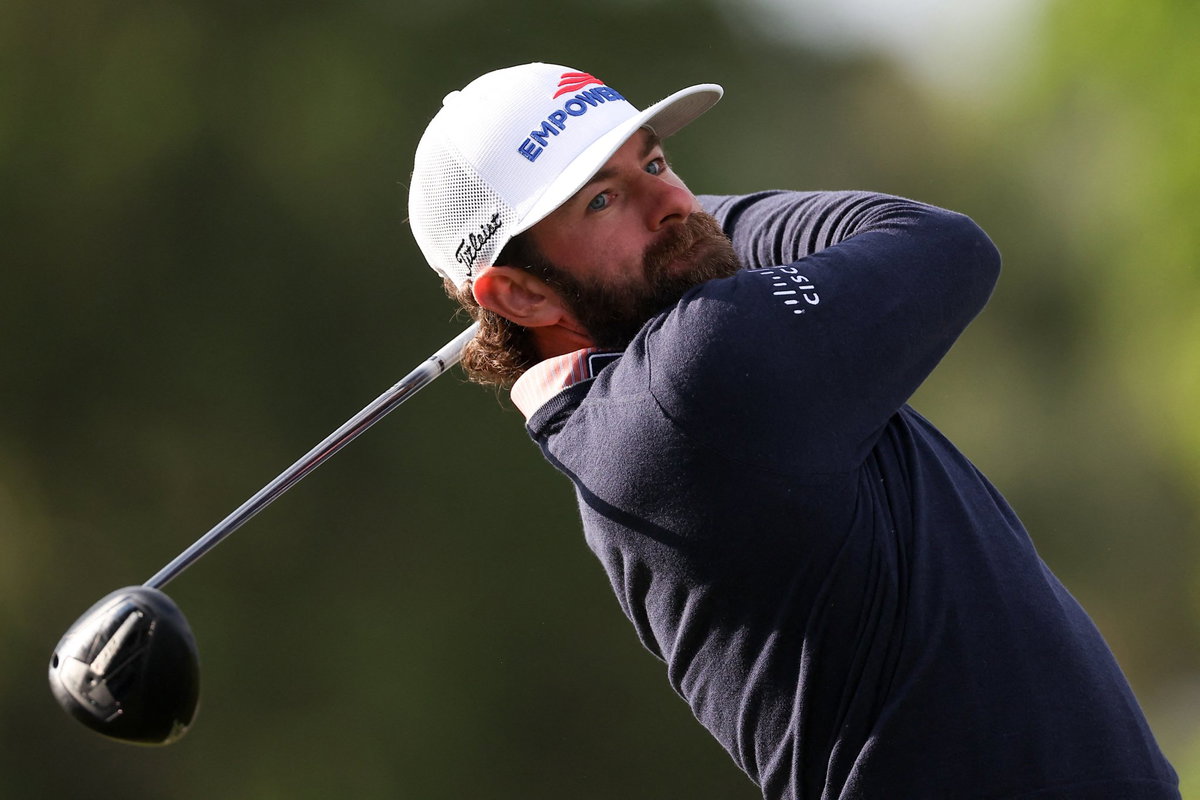
As the RBC Heritage unfolds, Rickie Fowler has emerged as a prominent contender, making headlines for his innovative approach to the game. Shifting towards a more forgiving driver, Fowler joins a growing number of professional golfers adapting their equipment in pursuit of greater accuracy off the tee. His decision reflects broader trends in the sport, as players increasingly prioritize consistency in their game.
Key takeaways
- Rickie Fowler is utilizing a more forgiving driver to improve his accuracy at the RBC Heritage.
- Fowler's shift reflects a growing trend among top players seeking enhanced distance and control.
- The RBC Heritage showcases Fowler battling for the lead, highlighting his adaptability.
- Fowler's unique shot-making, including a backward lefty shot, adds excitement to his performance this week.
- Golfers of all levels can learn from Fowler's willingness to change equipment for improvement.
Context and background
Rickie Fowler, known for his vibrant personality and stylish play, has seen various phases in his professional career. Once a regular fixture in the upper echelons of world rankings, Fowler has encountered challenges in recent years, culminating in a concerted effort to recalibrate his approach to the game. Historically, the driver has been the golfer's primary tool for establishing a strong advantage off the tee, with bulging statistics reflecting how driving accuracy impacts overall scoring. The trend toward more forgiving driver designs emerged alongside advancements in technology, allowing players to maximize their distance while minimizing the risk of wayward shots.
According to recent tour data, driving accuracy has become crucial at courses like the RBC Heritage, where maintaining position on the fairway paves the way for better second shots. In fact, the average driving accuracy on the PGA Tour is about 60%, which is telling, as many players now gravitate toward technology that enhances their ability to find fairways. Such changes are not just limited to newer players but are now adopted by seasoned veterans like Fowler.
Fowler's quest for consistency
At the 2026 RBC Heritage, Fowler's performance has been a testament to his resilience and adaptability as a player. After struggling with consistency in recent seasons, this latest equipment transition has seemingly invigorated his game. The forgiving driver he has selected offers a larger sweet spot and improved aerodynamics, resulting in a more reliable strike and fewer hooks or slices—a vital aspect of modern-day golf where precision is paramount.
What sets Fowler apart during this event is not just his equipment but his willingness to experiment. During Round 1, he executed a peculiar backward lefty shot, which showcased his creative shot-making abilities and his capacity to innovate under pressure. Such moments highlight Fowler's unique personality and his readiness to take risks—both personally and professionally—as he aims for success against his competitors.
The competition has been fierce, with Fowler striving to outpace seasoned rivals who are equally committed to refining their games. As he utilizes his new driver, comparisons emerge with the performance of other top golfers who have also embraced similar equipment changes, illustrating a potential paradigm shift in how elite players prepare for tournament challenges.
In their own words
"I feel like this driver gives me the ability to really focus on finding fairways. It's a key aspect of my game that I've been working hard on, and I'm excited to see where it takes me this week."
— Rickie Fowler
What this means for golfers
Fowler's strategic equipment change reflects a burgeoning trend that recreational golfers can benefit from as well. As amateur players often encounter difficulties with their drivers, the inclination toward more forgiving options can enhance their game significantly. The lesson here is clear: golfers glad to revisit their equipment may find substantial improvements and greater enjoyment on the course. If hitting fairways proves notoriously difficult, it could be time to consider driver models that prioritize forgiveness and consistency.
When considering a new driver, golfers should look for features such as a larger clubface, adjustable loft settings, and increased stability. Equipment reviews from professionals can provide insights into specific models that effectively cater to individual swing styles and preferences. Investing in technology that emphasizes accuracy rather than merely distance can lead to more successful rounds overall.
What's next
Looking ahead, the landscape of professional golf continues to evolve, with multiple tournaments on the horizon. As Fowler vies for the lead at the RBC Heritage, the outcomes here may shape his trajectory for the remainder of the season. Additionally, watching how he and other players with similar equipment choices perform in the coming events could provide valuable insights into the effectiveness of these trends like the forgiving driver. With a plethora of tournaments throughout the year, the potential for players to collect data on performance and adjust their strategies is greater than ever, making this an exciting time for both professionals and amateurs alike.