Intro
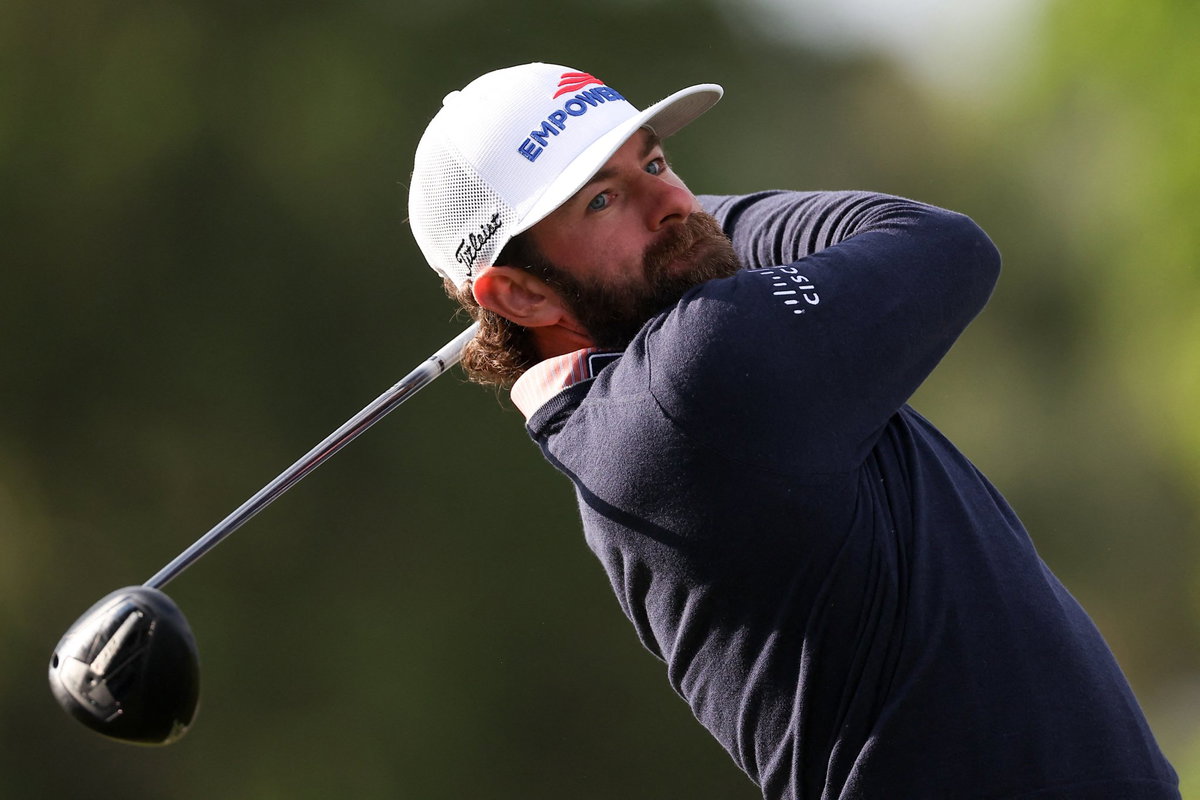
In a week filled with high stakes and great expectations, Robert MacIntyre's performance at the 2026 Masters was overshadowed by an incident on the 15th green that sparked significant controversy. After delivering a less-than-stellar showing on the course, MacIntyre made headlines with a provocative gesture that has left fans and analysts buzzing.
Key takeaways
- Robert MacIntyre made headlines for giving the middle finger on the 15th green during the first round of the Masters.
- He has since addressed the incident, offering insight into his emotions during that moment.
- Despite the controversy, MacIntyre struggled overall in his performance at the tournament.
- The incident adds to the ongoing narrative of high tension and expectations at golf's most prestigious event.
- The media's attention has turned from his game to his actions, highlighting the pressures athletes face.
Context and background
The Masters Tournament, held annually at Augusta National Golf Club, is renowned for its rich history and the extraordinary pressure it places on participants. Since its inception in 1934, it has become one of the four major championships in professional golf. Notably, the tournament has seen its share of controversies—both on and off the course. Previous players, including legends like Tiger Woods and Phil Mickelson, have faced scrutiny for their behavior in the heat of competition.
MacIntyre, only in his late twenties, has already started carving out a name for himself in the professional golfing world. As a rising star from Scotland, his journey has included notable performances in various tournaments, but nothing compares to the scrutiny faced at The Masters. The pressure of performing well in front of a global audience can lead to emotional lapses, something that MacIntyre recently exemplified.
A moment to remember: the 15th green incident
The scene on the 15th green was one to remember, albeit not for the right reasons. With high expectations trailing him into the tournament, MacIntyre's frustrations boiled over, resulting in him gesturing the middle finger—a response to a perceived unfair call or perhaps his own game's struggles. This moment quickly became one of the signature moments of the 2026 Masters, though not for MacIntyre's skill on the course.
Amidst the fray of media criticism and public scrutiny, MacIntyre chose to remain silent initially, a tactic that fueled more speculation regarding his state of mind and overall approach to the game. Evaluating his performance statistics during the tournament—he finished near the bottom of the leaderboard, indicating the challenge of the course in the face of mounting pressure—his actions on the 15th green prompted a mixed response from fans. Some supported him, viewing the moment as a reflection of genuine emotion, while others condemned it as unprofessional behavior.
Statistics show that players often experience swings in performance at major tournaments; however, taking one’s frustrations out publicly can impact public relations and sponsorship opportunities, especially for younger players like MacIntyre who are eager to build their brands. An interesting comparison can be made to golfer Rickie Fowler, known for his struggles under the spotlight, who had similar outbursts during crucial moments early in his career.
In their own words
"I let the pressure get to me, and I made a mistake. It was a moment I regret, but it taught me a lot about handling my emotions in high-stakes settings."
— Robert MacIntyre
What this means for golfers
For recreational golfers, MacIntyre's incident serves as a sobering reminder of the pressures that come with competitive play—even at much smaller scales. Golf is as much a mental game as it is about skill, and finding ways to manage emotions can be just as critical as practice. Players looking to improve may consider incorporating mental resilience into their training routines, learning from the experiences of professionals like MacIntyre who navigate these challenges on the game’s biggest stage.
Moreover, while athletes in the spotlight often face intense scrutiny, everyday golfers must also embrace the importance of remaining composed under pressure. Understanding the stakes, setting personal expectations, and finding methods to manage stress can transform how golfers experience the game.
What's next
Looking ahead, Robert MacIntyre will likely need to refocus as he prepares for upcoming tournaments. He will face increased attention as fans and critics alike analyze how he copes with the fallout from the Masters incident. Future events will be crucial for him to showcase his ability to bounce back from adversity, refine his skills, and maintain a positive public image amidst the growing tension that often accompanies professional golf.
As the golf season progresses, eyes will be on MacIntyre not only to see how he performs on the course but also to determine how he continues to navigate the complex relationship between athlete and audience. His journey will undoubtedly resonate with many aspiring golfers who watch closely, wanting an insight into both the triumphs and tribulations of the game.

/https%3A%2F%2Fcdn.pijper.io%2F2026%2F06%2FRkUgIHk3UBT3tw1781080975.jpg)