
Introduction
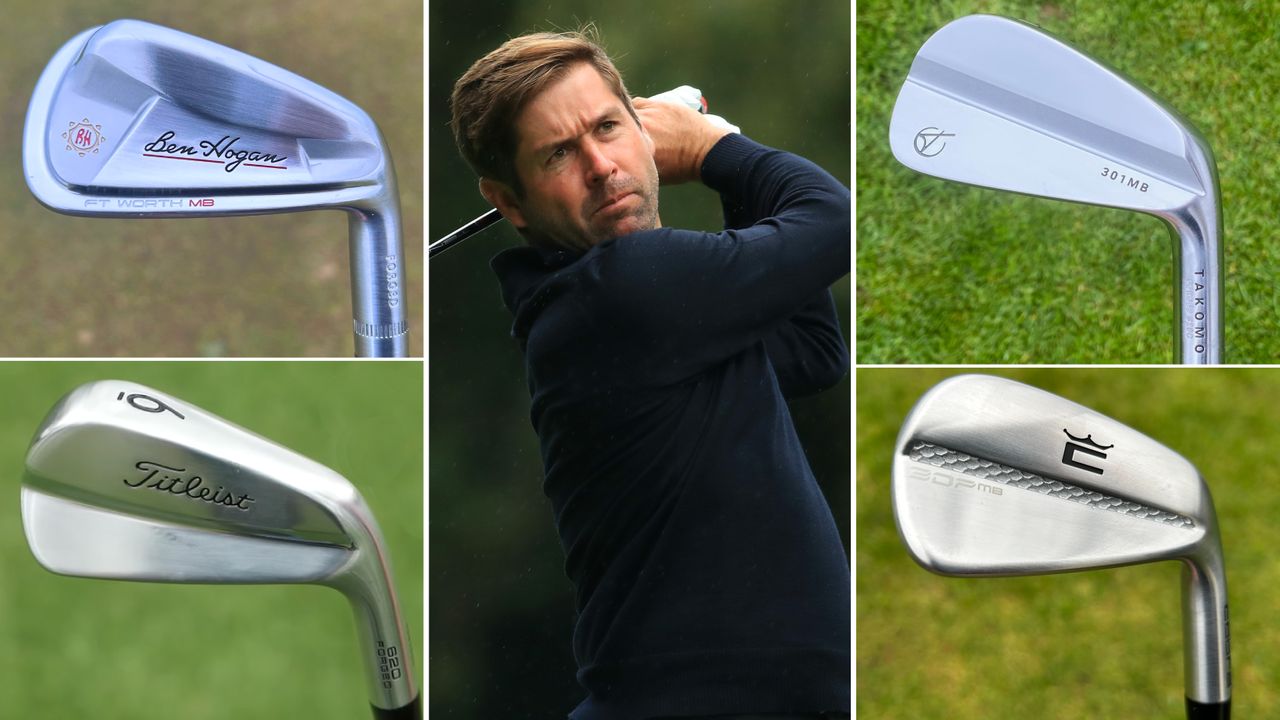
In an unexpected twist in the world of golf equipment, professional golfer Robert Rock recently conducted a blind test of Blade irons that has left industry experts and recreational golfers buzzing. With ten different iron sets subjected to rigorous scrutiny, Rock's results showcased a set priced at $649, defeating renowned brands that typically dominate the market. This significant finding could alter perceptions regarding the best golf equipment, allowing golfers to consider options that deliver quality without carrying massive price tags.
Key takeaways
- Robert Rock conducted a blind test of ten different sets of Blade irons.
- A $649 set outperformed well-known major brands such as TaylorMade and Callaway.
- Results point to the potential for niche brands to compete with industry giants.
- Blind testing can provide unbiased insights into performance and feel.
- The significant findings challenge preconceived notions of cost versus quality in golf equipment.
Context and background
The golf equipment industry has long been dominated by a handful of major brands that invest millions in marketing, resulting in a strong brand loyalty among golfers. Players often equate higher prices with superior quality and performance, a concept challenging to dismantle. In recent years, however, the advent of boutique or lesser-known brands has introduced diversity into a landscape predominantly ruled by giants.
Historically, golf clubs have been a significant part of professional and amateur play, with the average golfer often seeking out the latest technology. Unfortunately, the costs associated with purchasing top-tier brands can deter many players who may benefit from high-quality equipment. This blind test conducted by Rock is a critical moment that shows quality can exist at various price points.
A surprising turn in the Blade iron landscape
Robert Rock's blind test involved ten sets of Blade irons, which he ranked through a demonstrative process that minimized bias. Drawing from his experience as a seasoned golfer, Rock applied stringent evaluation criteria encompassing performance, feel, and overall playability. During his tests, the $649 model stood out distinctly, leaving its competitors—established players in the market—trailing behind.
The results are even more eye-opening considering the substantial financial commitment associated with many competing brands. Large companies like Titleist and Callaway have established a reputation for producing high-performance irons, often carrying price tags significantly over $1,000. Rock's findings suggest that players might be overlooking viable, cost-effective options.
In comparative terms, for an average golfer, investing in clubs that are not burdened by branding could provide significant financial relief without sacrificing performance. Rock's emphasis on a blind test allows players to reassess the effectiveness of their equipment without the bias that often accompanies brand loyalty.
In their own words
“The results of this blind test have been striking. It’s incredible to see how performance varies regardless of the name on the club.”
— Robert Rock
“I’m glad Robert did this. It proves you don’t have to break the bank to find great equipment.”
— Enthusiastic Golf Retailer
What this means for golfers
The implications of Rock’s blind test run deeper than just an unexpected performance ranking. For recreational golfers looking to enhance their game, the results signal a shift towards thoughtful purchasing habits. Instead of adhering to brand loyalty dictated by marketing, players can now assess clubs based on measurable performance attributes that directly affect their game.
Additionally, this may lead to an influx of interest in price-sensitive buying among golfers who seek value. When investing in equipment, players should ultimately prioritize playability and feel over brand names. Rock’s findings encourage players to try clubs without bias toward brand prestige.
What’s next
As recreational golfers take note of Rock’s results, they should stay informed about emerging trends in equipment testing and comparison. Future evaluations, blind tests, and advancements may challenge the status quo in the industry. Golf enthusiasts should keep an eye on this evolving narrative that is set to redefine how players choose their essential clubs.