Intro paragraph
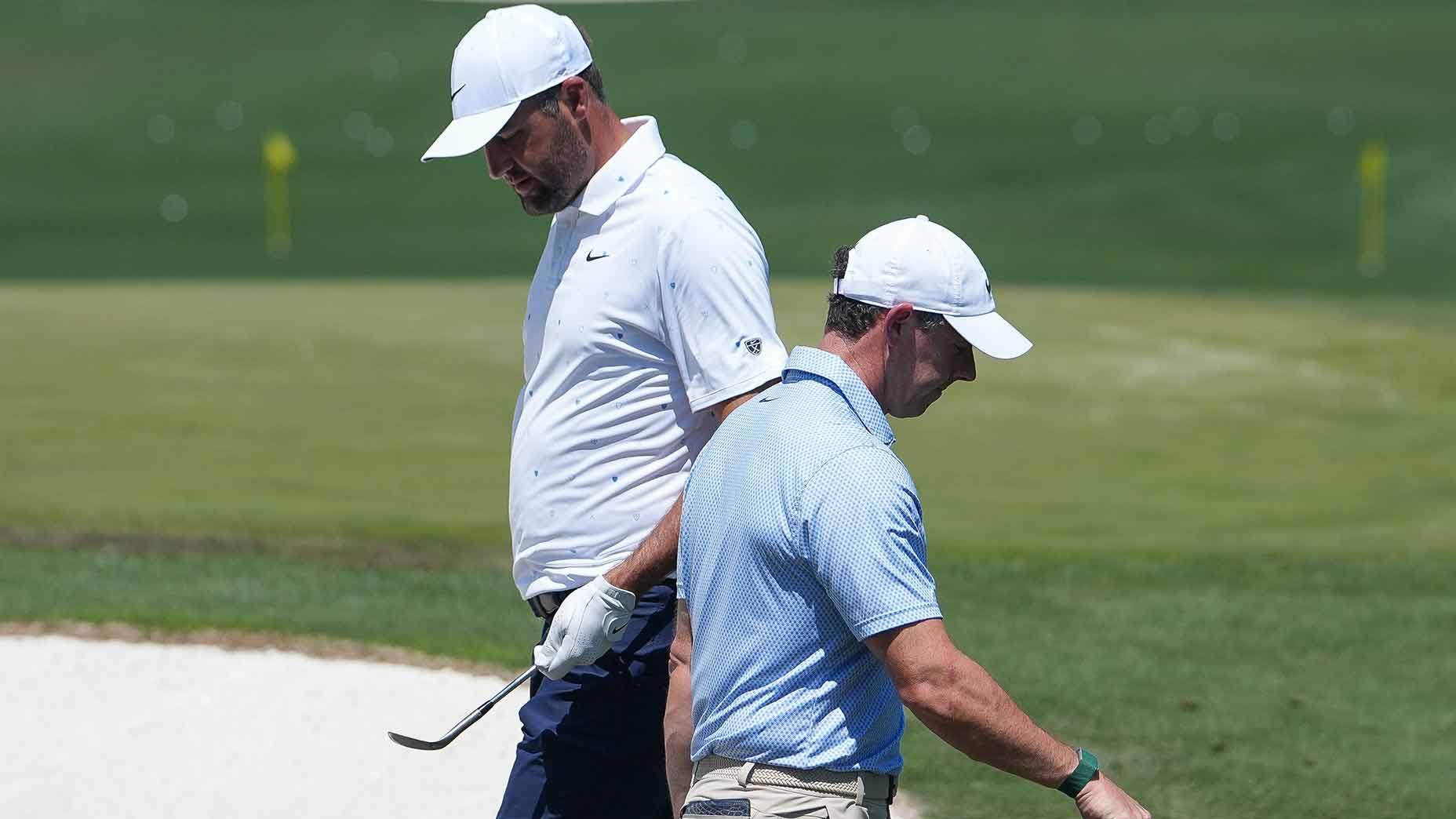
The upcoming weeks on the PGA Tour are stirring conversations about player participation, especially with superstars Rory McIlroy and Scottie Scheffler not competing against each other between the first two major tournaments of the year. As the golf community reflects on their absence, questions arise—does this spell trouble for the Tour or merely reflect current realities?
Key takeaways
- McIlroy and Scheffler will not face off between the year’s first two majors.
- The PGA Tour will not host any events in Hawaii for the first time in 63 years.
- The absence of top players raises concerns about competition and viewer engagement.
- Player participation dynamics are shifting, affecting the landscape of professional golf.
Context and background
Historically, the PGA Tour has prided itself on consistently presenting top-tier golf, showcasing the best talents vying for major titles. The Tour's structure has enabled numerous exciting matchups, contributing to fan interest and tournament prestige. However, in recent years, the proliferation of high-stakes events—coupled with evolving player preferences—has led to situations where prominent players may opt out of certain tournaments. With the cancellation of the season opener in Maui due to drought conditions, this year marks the first in over six decades where Hawaii will not feature any PGA Tour events. This unprecedented decision adds another layer of complexity to an already delicate situation.
The implications of player absence
The absence of McIlroy and Scheffler, two of golf's most formidable competitors, brings to light the topic of player engagement on the Tour. Both athletes are coming off impressive performances and are traditionally expected to be in the lineup during important stretches of the season. Their decision to skip competitions raises valid concerns about the integrity and allure of the Tour’s events, especially considering the interest levels of casual fans who tune in primarily to watch their favorite stars.
Recent statistics indicate that television ratings tend to spike when top players are engaged in competition. For instance, major tournaments featuring either McIlroy or Scheffler historically yield higher viewership numbers, indicating that player presence significantly influences spectator engagement. Without these key figures, the quality of competition may be perceived as diminished, impacting the overall excitement surrounding upcoming tournaments.
Furthermore, with the increase of alternative leagues and events vying for players' attention, the choices made by top professionals serve as a reflection of broader trends in professional golf. Players are openly expressing their desire for more flexibility in their schedules, allowing for personal time and catering to their individual careers rather than simply adhering to traditional cycles. This shift can lead to reduced competition frequencies among elite golfers.
In their own words
"I think it's important for us to recognize when we need some time for ourselves and our families. There’s a lot of pressure in this game, and sometimes you just have to prioritize other things."
— Rory McIlroy
"With so many tournaments, you have to be strategic about where you play. I hope to face the very best in the game, but I also have to look out for my overall health and wellbeing."
— Scottie Scheffler
What this means for golfers
For recreational golfers and avid fans, the status of elite players like McIlroy and Scheffler highlights the importance of the competitive spirit in golf. Understanding that professional athletes are humans facing similar challenges can inspire amateur players to prioritize their own well-being alongside the sport. It’s a reminder that even at the highest level, balance is crucial.
Additionally, golf enthusiasts may find value in following emerging talents in the absence of established stars, broadening their interests in different players and strategies that they employ. As the landscape adjusts, followers of the sport could gain insight into how new competitors rise and adapt to fill the void left by absent stars.
What's next
Looking ahead, the anticipation is palpable, with the next major events approaching. The Tour will need to emphasize showcasing their remaining star power and emerging players to maintain viewer engagement. Upcoming tournaments may experiment with their formats and marketing strategies to ensure continued interest despite the shifting dynamics of player availability. As these changes unfold, the broader implications for the Tour’s identity and future scheduling approaches will be closely watched by both fans and players alike.