
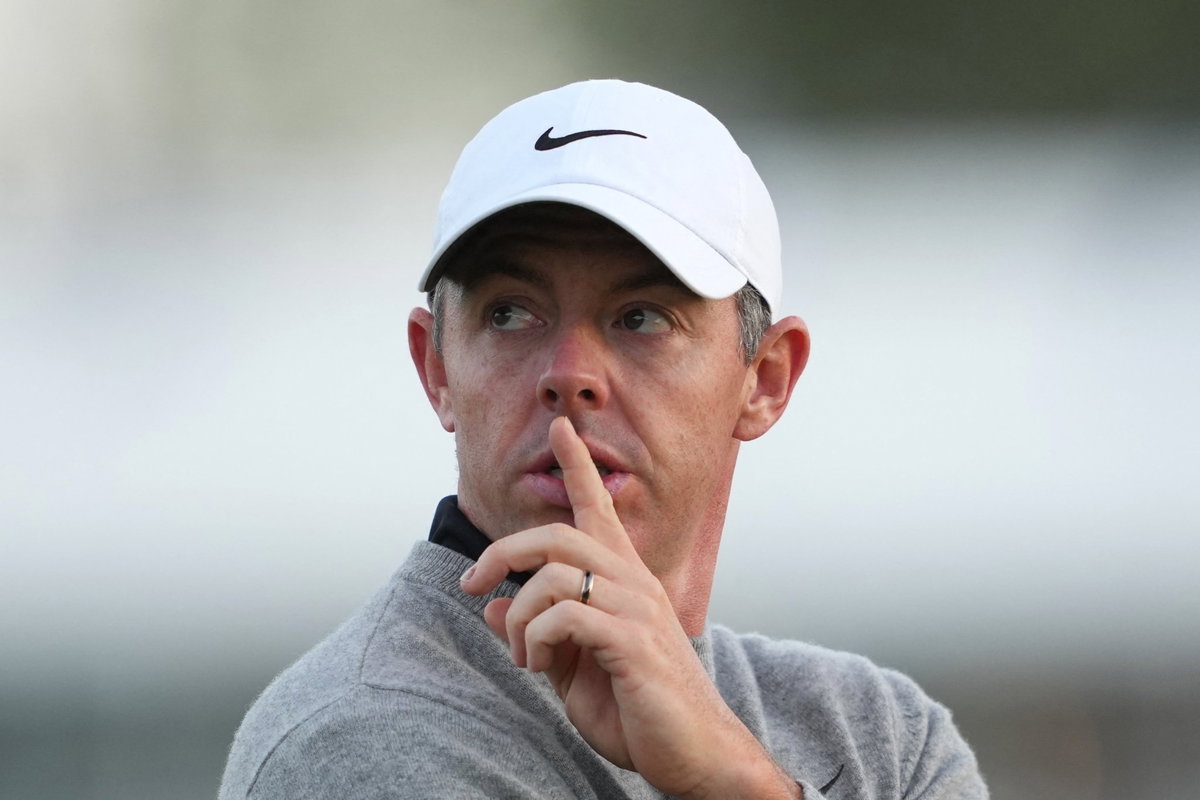
Rory McIlroy doubles down on PGA Tour plans for 2023
In an era of transformation for professional golf, Rory McIlroy has taken a moment to clarify his stance regarding the PGA Tour. With its evolving structure and strategic changes, McIlroy expresses a desire to 'pick and choose' his participation, aligning himself with current trends while maintaining his competitive edge.
Key takeaways
- Rory McIlroy plans to selectively participate in PGA Tour events.
- The golfer refers to his current schedule as feeling somewhat like a 'part-timer' in the tour landscape.
- McIlroy's approach emphasizes strategic decision-making following various tour enhancements.
- His comments reflect a broader trend among top players as they navigate a changing professional golf environment.
- Upcoming tournaments and events will reveal if this strategy will pay off in both form and rankings.
Context and background
The PGA Tour has undergone significant changes in recent years, particularly in response to the rise of competing leagues and changes in player commitments. Rory McIlroy, often regarded as a face of the Tour, has consistently advocated for loyalty to the Tour while welcoming innovations that could elevate the game. Historically, McIlroy has been one of the most successful active players, with 24 wins and four major championships, firmly establishing his status in golf’s upper echelon. The dynamics of player participation and events have shifted, especially with the introduction of various international events and altered formats, leading to an environment that encourages players to be more selective.
McIlroy’s strategic approach to scheduling
Rory's remarks on feeling like a 'part-timer' illuminate the balance he’s striving to achieve. As he puts it, "With everything that's going on, it's hard not to feel like I'm picking and choosing my spots. I want to play in the events that mean the most to me and my game. It's about quality over quantity."
This approach has sparked curiosity among fans and analysts alike. By mixing standout traditional events like The Masters and the Ryder Cup with select tournaments, McIlroy aims to optimize both performance and personal engagement in the sport. His plan could serve as a benchmark for how other elite players approach their schedules. Across the golf landscape, many stars face similar decisions as they seek to balance competitive play against personal priorities and growing inquiries into their participation in various leagues.
McIlroy's decision to curate his schedule could have financial implications, too, considering the lucrative nature of some tournaments outside the PGA Tour and the incentivization of younger players to pursue varied paths. This decision reflects a broader negotiation between traditional formats and the emergence of new golfing opportunities. As competition increases, a more strategic playing schedule may significantly impact players’ form, rankings, and, ultimately, their legacy.
In their own words
"It’s about quality over quantity. I want to play in the events that mean the most to me and my game."
— Rory McIlroy
"I feel as if I’m trying to balance my commitments while staying competitive on the Tour. It has certainly changed the way I view my schedule."
— Rory McIlroy
What this means for golfers
For recreational golfers, McIlroy's approach can be an insightful lesson. The notion of prioritizing certain events aligns with the concept of peak performance—a reminder that not all rounds are equal, and strategic thinking in selecting when and where to play can lead to better game development. Recreational players may also find inspiration in McIlroy’s need for flexibility to prioritize enjoyment while maintaining competitive aspirations.
Equipment-wise, golfers observing McIlroy should consider how changes in club technology and training, which he discusses in relation to personal schedules, could affect their own practices. This tailored approach may lead to seeking out equipment that supports not only performance but also personal comfort and familiarity.
What's next
Looking ahead, the implications of McIlroy's selected schedule will unfold in the upcoming tournaments. Fans are eager to see how this format will serve him and his competitors, particularly during high-stakes events. With significant tournaments such as the U.S. Open, the PGA Championship, and others on the horizon, golf enthusiasts and analysts alike will closely monitor McIlroy's performance to gauge if this strategy enhances his career trajectory and maintains his status as one of golf's leading figures.
As the tour adapts, changes in player scheduling could also lead to shifts in fan engagement and sponsorship dynamics. Increasingly, the lines between professional play and personal brand management may also reshape the future of golf. The path McIlroy follows may not only impact his own career but will also set a precedent for future generations of golfers navigating the evolving terrain of professional golf.

/https%3A%2F%2Fcdn.pijper.io%2F2026%2F06%2FRkUgIHk3UBT3tw1781080975.jpg)