Intro paragraph
Rory McIlroy, one of golf’s most celebrated talents, recently expressed his frustration over what he termed a 'nonexistent' driver strategy as he prepared for the 2026 PGA Championship at Aronimink Golf Club. His comments not only shed light on his personal game plan but also revealed broader trends affecting modern professional golf.
Key takeaways
- McIlroy criticized the lack of a defined driving strategy at the 2026 PGA Championship.
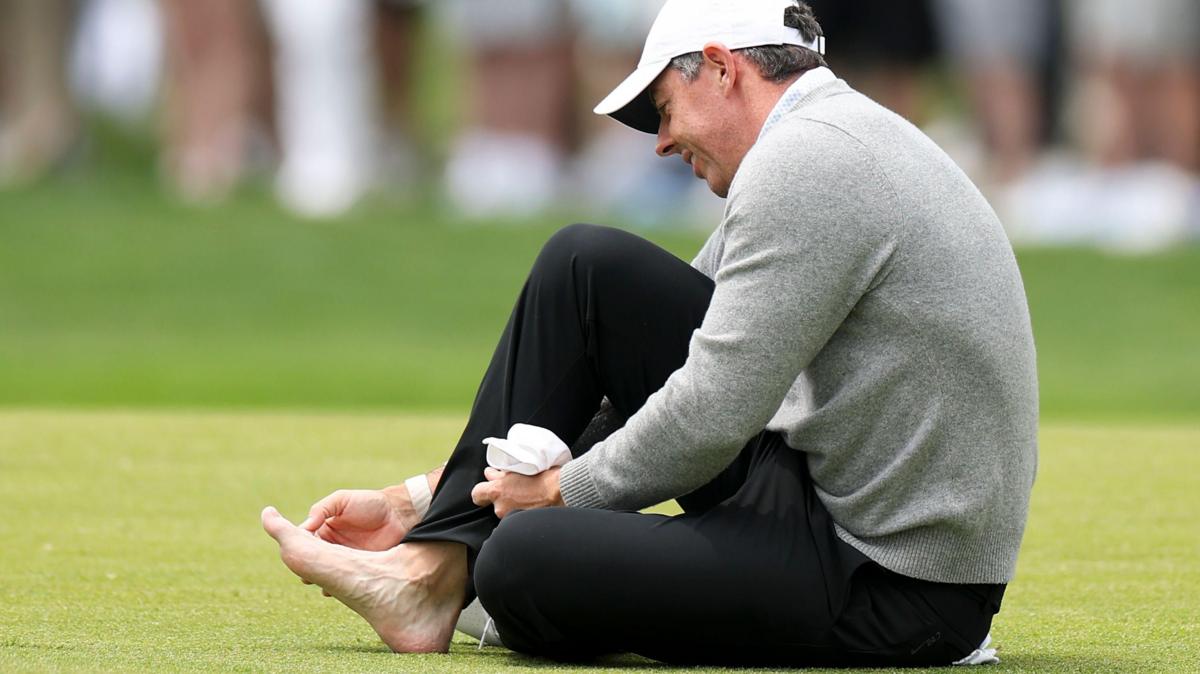
- A blister on his toe disrupted his practice session leading up to the tournament.
- The discussion highlights a shift in driving techniques and strategies among professional golfers.
- Aronimink is known for its challenging layout, which further complicates driving decisions.
- Modern equipment and course design are influencing how players approach their drives.
Context and background
The game of golf has evolved significantly over the last few decades. Equipment advancements, especially in driver technology, have drastically changed the way golfers approach the game. In previous generations, players focused more on accuracy rather than sheer distance. Today, with drivers capable of exceeding 300 yards, the emphasis has shifted to maximizing distance, often at the expense of precision.
Rory McIlroy, who has consistently ranked among the top players globally since turning professional in 2007, is known for his remarkable driving ability. In fact, McIlroy has topped the PGA Tour in driving distance multiple times, further emphasizing that the driver’s role in competitive play is increasingly critical. However, the strategies surrounding its use are not as straightforward as one would expect.
A closer look at McIlroy's concerns
During his practice round at Aronimink, McIlroy addressed concerns regarding a lack of a coherent strategy when it comes to using his driver. His blister had limited his playtime, which may have influenced his thoughts. Nevertheless, he stressed that understanding the intricacies of the course layout and the unique conditions at Aronimink must inform every player's game plan, especially concerning how they approach driving on certain holes.
McIlroy's comments come against the backdrop of a growing trend in golf: the prioritization of metrics over intuition. Data analytics in sports has become increasingly sophisticated, and players now often find themselves relying on technology to make strategic decisions. This contrasts sharply with traditional golfing strategies, where understanding each course's nuances drove player tactics.
As McIlroy has pointed out, a lack of adaptability in driver strategy can significantly affect a player’s performance. For instance, the exacting design of Aronimink—with its tight fairways and well-placed bunkers—demands a flexible driving strategy that should change from round to round, or even hole to hole, based on conditions.
In their own words
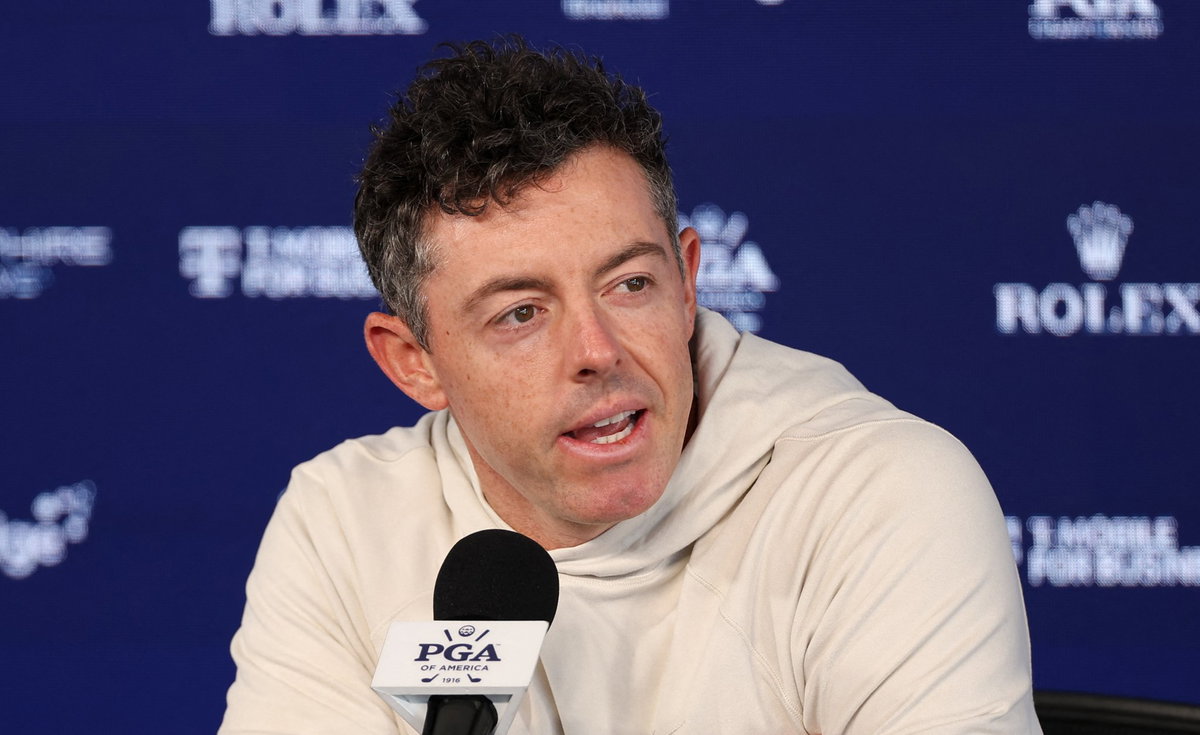
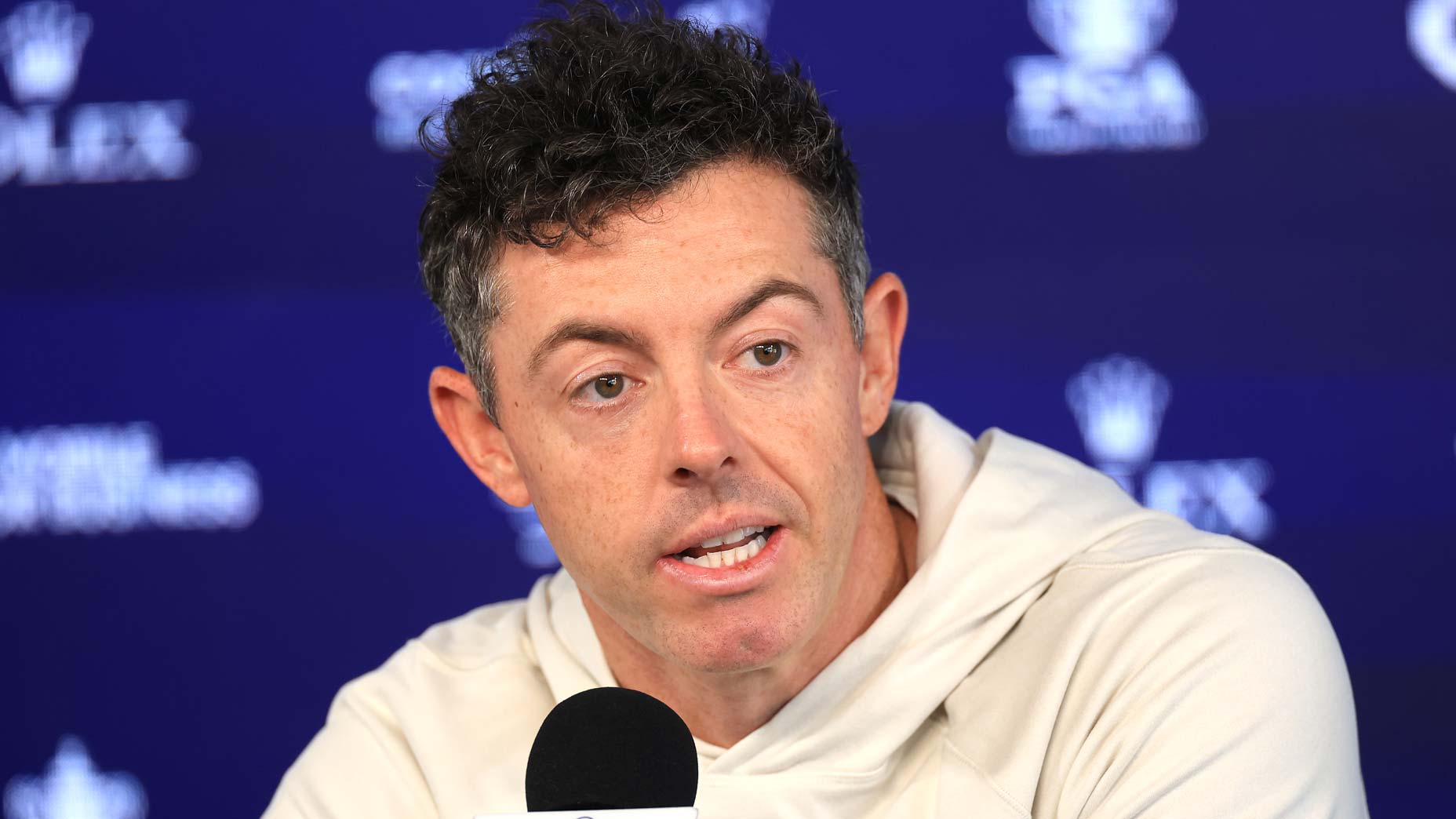
“We’ve reached a point where players have become almost too engrossed in the data and the numbers without simplifying their own strategy. At times, we need to listen to our gut.”
— Rory McIlroy
“Driving is key, but it can’t just be about hitting it far and straight. There are so many other factors at play on this course.”
— Rory McIlroy
What this means for golfers
For recreational golfers and enthusiasts, McIlroy's insights highlight an essential balance between technology and traditional skills. While having the latest equipment allows players to hit longer and straighter, the core aspect of golf remains a strategic one. Understanding the course, dealing with real-time conditions, and developing an adaptive strategy is crucial.
Moreover, golfers should appreciate that playing with a purpose, whether it means varying their driver use based on wind or course layout, can lead to better performance. For those considering equipment purchases, it’s a reminder that technology should supplement, not dictate, a player's style on the course.
What's next
As the golf season progresses and more tournaments unfold, McIlroy's reflections may lead to a broader dialogue among professionals regarding the significance of driving strategies. Upcoming tournaments, particularly major championships, will undoubtedly test how these evolving strategies play out in real time. Fans and players alike should stay tuned to see if McIlroy can adapt his game ahead of the events that follow and how other golfers respond to his call for a more personalized approach to driving.