Intro paragraph
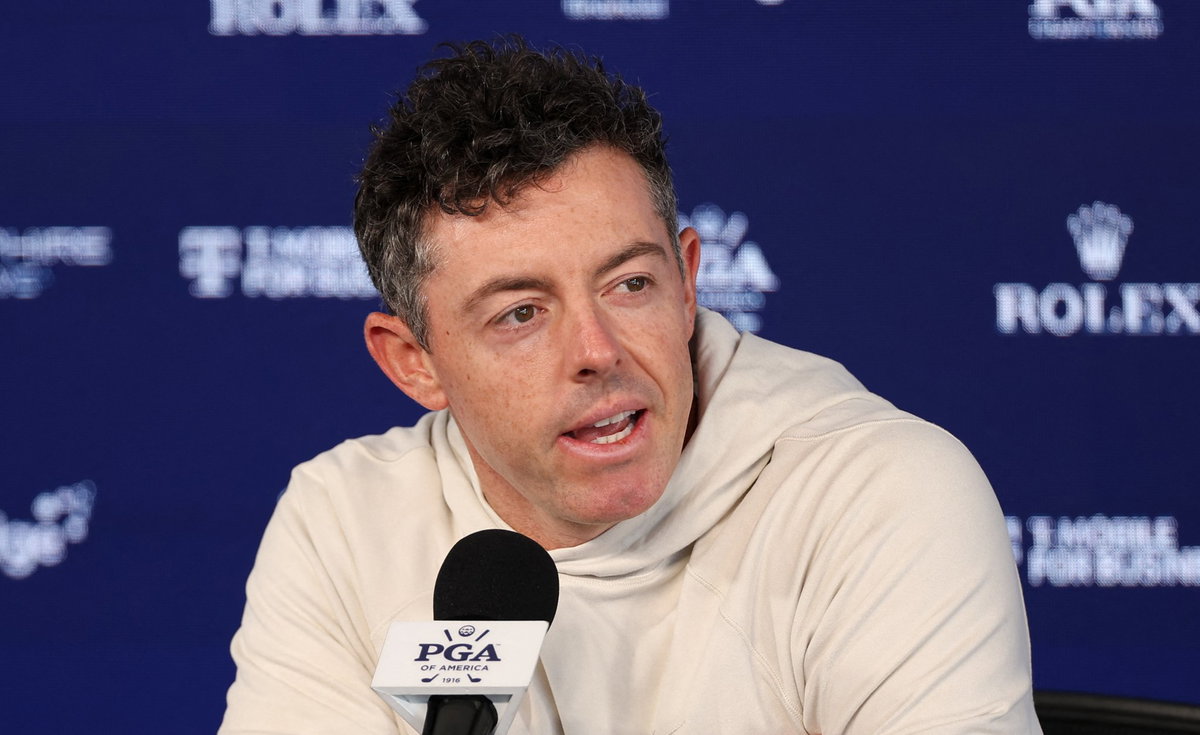
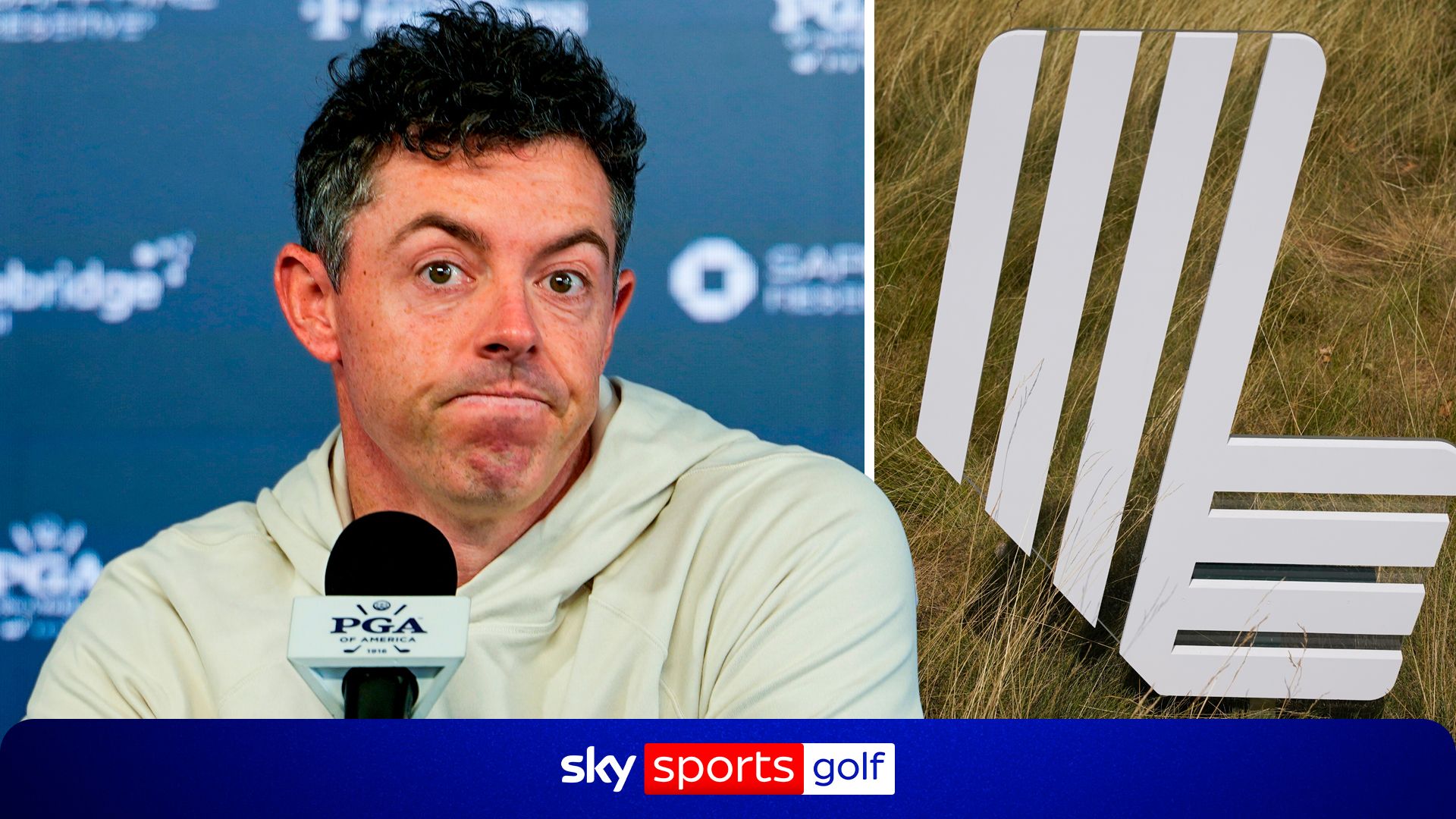
In a candid statement, Rory McIlroy has opened up about the volatile financial landscape surrounding LIV Golf, highlighting the potential risks that players embraced when joining this controversial circuit. As speculation mounts regarding the Public Investment Fund's (PIF) commitment to LIV after the 2026 season, McIlroy's reflections underscore the precarious balance between innovation and sustainability within professional golf.
Key takeaways
- McIlroy believes the risk of losing LIV Golf's funding was an inherent part of joining the league.
- The PIF's financial support has been essential to LIV's operations and player contracts.
- Speculation suggests many LIV players were unprepared for possible funding cutbacks.
- Concerns about the long-term viability of LIV Golf are becoming increasingly pronounced.
- Joining LIV came with significant financial risks for players, despite the allure of lucrative contracts.
Context and background
Launched in 2021, LIV Golf has emerged as a disruptive force in the world of professional golf, capturing both the spotlight and controversy. Financed by Saudi Arabia’s PIF, the league aimed to challenge established organizations, such as the PGA Tour, by offering attractive prize funds and a less crowded competitive schedule. While the surge in financial incentives has drawn several star players into its fold, fundamental questions about the sustainability of such backing have lingered.
As LIV Golf attempts to carve its niche in the sporting landscape, the financial underpinnings provided by the PIF face scrutiny from various quarters. Recent discussions among industry insiders suggest that the PIF may revisit its commitment to the league due to shifting political and economic factors. The situation is compounded by McIlroy's assertions that the risks associated with joining LIV Golf were clear from the start, signaling that the allure of excessive salaries may overshadow concerns about stability.
Assessing the risks: McIlroy's observations
McIlroy, a prominent voice advocating for traditional tours, emphasized that players should have been aware of the precarious nature of their financial support from LIV Golf. He noted that the potential loss of funding should have been factored into their decision-making. As a seasoned competitor, McIlroy articulated that while players were attracted to the prospect of security through immediate financial rewards, the long-term ramifications of their choice could paint a different picture.
“That’s the risk those guys chose to take,” McIlroy stated, highlighting the tension between short-term financial gain and the underlying instability that may accompany such gains. For numerous players, the decision to join LIV was seen as an opportunity to achieve generational wealth; however, a withdrawal of funding could dramatically impact their financial security and career trajectories.
Despite LIV Golf's ability to generate exciting, high-stakes tournaments, its credibility and value proposition remain areas of concern. McIlroy’s insights bring to light the pressing reality that the financial security many players enjoy could prove ephemeral if backers reassess their contributions.
In their own words
“That’s the risk those guys chose to take.”
— Rory McIlroy
What this means for golfers
The unfolding situation surrounding LIV Golf serves as a crucial lesson for golfers at every level. Recreational and aspiring professional players must understand the importance of aligning their pursuits with sustainable practices. The temptation to chase immediate financial benefits can cloud judgment regarding long-term aspirations and career security.
It is prudent for golfers to carefully evaluate the pros and cons of joining leagues that lack a historical foundation or proven viability. As the future of LIV Golf's funding remains uncertain, up-and-coming players should approach their choices with caution, ensuring that their commitments align with platforms that promise growth and durability in the sport.
What's next
Looking ahead, the implications of McIlroy's statements and the ongoing discussions surrounding LIV Golf will shape the landscape of professional golf in the coming months. All eyes will be on how the league navigates its financial challenges, especially with key tournaments approaching.
The question of whether current LIV players will reconsider their affiliations in light of these uncertainties looms large. As professional golf continues to evolve, the potential for players to return to more traditional tours in response to these circumstances could redefine the competitive landscape entirely. The shifts incurred by these financial discussions may usher in significant change, and the outcomes remain to be seen as the golfing world braces for an unpredictable yet transformative era.