
Intro paragraph
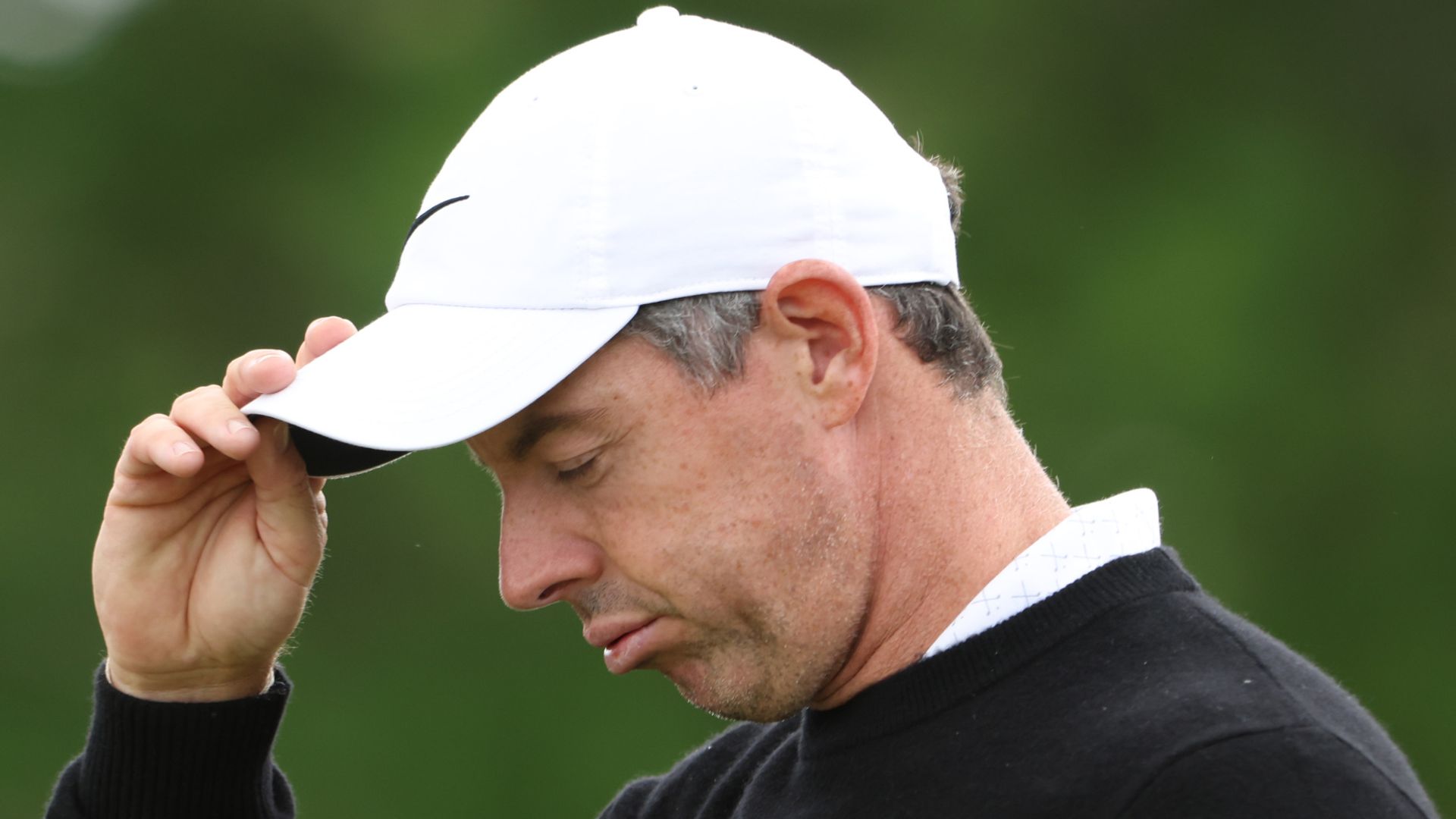
Rory McIlroy entered the PGA Championship with high aspirations, fueled by the desire to defend his title. However, the Northern Irish golfer faced a significant hurdle during his opening round, grappling with driving accuracy that left his championship hopes in jeopardy. As the tournament progressed, the pressure mounted, risking a disappointing exit from a major event he once conquered.
Key takeaways
- Rory McIlroy struggled with driving accuracy in his opening round at the PGA Championship.
- The reigning champion faced mounting pressure while attempting to defend his title.
- Historical statistics highlight the critical role of driving accuracy in major tournament performance.
- McIlroy's inconsistent form raises concerns about his ability to compete at the highest level.
- Players maintaining a 60% driving accuracy have a better chance of making the cut in major tournaments.
Context and background
Rory McIlroy is a seasoned competitor in golf, particularly during major championships, where the stakes are dramatically higher. After claiming victory at the 2022 PGA Championship, he aimed to etch his name into history by becoming the first golfer since Brooks Koepka to pull off back-to-back wins at this prestigious event. However, his prospects dimmed with an uncharacteristic driving performance on the tournament's first day, underscoring just how pivotal driving accuracy is in the cutthroat realm of professional golf.
Historical data reveals that golfers who maintain at least 60% driving accuracy during major tournaments possess a significantly improved chance of making the cut and, ultimately, contending for victory. This fact only adds weight to the scrutiny McIlroy faced as he struggled to stay in contention amidst the growing intensity of the competition.
Driving woes derail McIlroy's title defense
As dawn broke on the first day of the PGA Championship, McIlroy stood on the tee, brimming with ambition and buoyed by the weight of expectation. Unfortunately, his performance with the driver fell short of those aspirations. Describing his showing on the course, he could only classify his driving as “wayward,” a term that captured the essence of his disappointing day as errant shots challenged his gameplay.
Statistics reveal that he hit just 50% of the fairways throughout the round—a stark contrast to what is necessary for serious championship contenders. Known for propelling drives that can stretch beyond 300 yards, his failure to achieve such precision came at a steep price. Historically, McIlroy has been a formidable force within major tournaments, yet his ability to navigate the course with accuracy has dwindled, especially under the pressures of defending his title.
As the round wore on, the initial optimism he carried faded as reality set in. The compounding difficulties manifested in rising scores that put his ability to make the cut in serious jeopardy. Instead of being in a position to pursue the leaderboard, McIlroy found himself embroiled in a struggle for survival, transitioning from a hopeful contender to merely attempting to stay afloat.
In their own words
"I just wasn’t driving well enough today. When that part of your game isn’t in sync, you really feel it out there. I need to find a way to regroup and improve from here."
— Rory McIlroy
What this means for golfers
For recreational golfers, McIlroy’s struggles serve as a cautionary tale, emphasizing that proficiency in driving often serves as a game-changer. Whether on a local course or in competitive outings, understanding that the accuracy of tee shots is vital for reducing scores cannot be overstated. Improvements in driving can be achieved through dedicated practice and possibly enlisting the help of teaching professionals, which in turn can enhance other areas of one’s game.
The relevance of driving accuracy also transcends technique—equipment plays a pivotal role. Golfers aiming to enhance their performance off the tee might consider investing in drivers engineered for consistency—those that offer adjustable weights or advanced design to promote forgiveness on less-than-perfect shots. Frequent practice on the range, emphasizing driving accuracy, can build a reliable swing that pays dividends on the course.
What's next
As McIlroy continues to navigate the PGA Championship, all eyes will be focused on his ability to adjust and recover in upcoming rounds. The golfing world waits with bated breath to see how he plans to rectify his driving issues and whether he can position himself comfortably above the cut line. Looking beyond this tournament, McIlroy faces a challenging schedule on the PGA Tour, where maintaining consistency will be crucial not only to secure victories but also to solidify his standing against an increasingly competitive field.
Future tournaments represent not only critical moments for McIlroy but also for other players eager to capitalize on perceived weaknesses as the season unfolds. Observers will be keen to witness how he responds to this situation: has the challenge of defending his title exposed vulnerabilities, or will he reignite the form that has propelled him to greatness among the elite ranks of professional golf?

/https%3A%2F%2Fcdn.pijper.io%2F2026%2F06%2FRkUgIHk3UBT3tw1781080975.jpg)