Intro
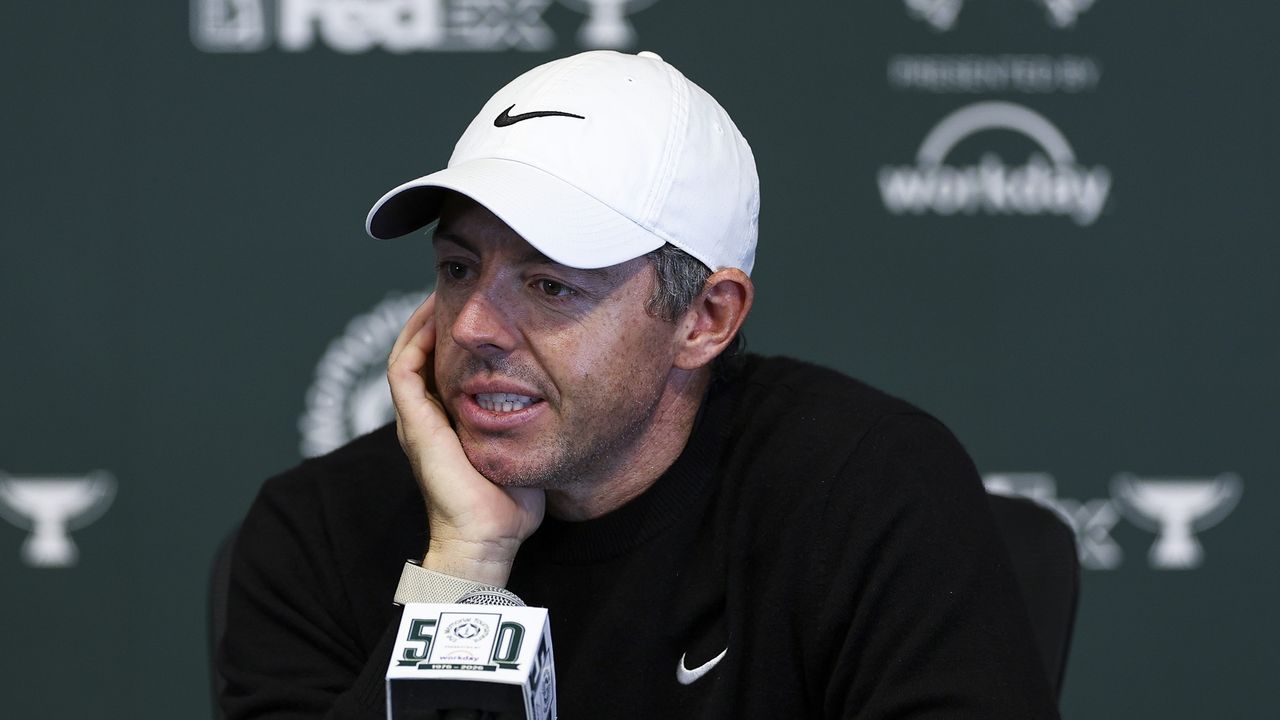
In a bold move signaling a shift in professional golfing priorities, Rory McIlroy has declared his intent to follow a selective tournament schedule as the new PGA Tour season approaches. By focusing on a more limited list of events, he acknowledges the challenges posed to his quest for the FedEx Cup while carving out a path that aligns with his personal and professional goals.
Key takeaways
- Rory McIlroy will prioritize a limited schedule for the upcoming PGA Tour season.
- His approach reflects a mindful balance between competition and personal life.
- McIlroy's decision may impact his standings in competitive rankings and the FedEx Cup.
- He has identified a 'perfect number' of events that allows for optimal performance.
- Fans and analysts will closely watch how this strategy plays out through the season.
Context and background
The changing dynamics of professional golf have prompted top players, including Rory McIlroy, to reevaluate how they approach their tournament schedules. In recent years, long grueling seasons and the demands of global travel have taken a toll on even the fittest athletes. As annual schedules expand, the pressure for players to compete becomes intense, with less time for personal recovery or family life.
McIlroy, who has held significant positions in the world rankings, understands that the pursuit of titles can lead to exhaustion, mentally and physically. His previous commitments and travel have been robust, but with advancements in his career, including a significant win history, it's understandable that he seeks a more sustainable approach. According to statistics, McIlroy has won four major championships and has spent over 100 weeks ranked as the world’s No. 1 golfer—a testament to his extraordinary talent but also a cue to take a step back every now and then.
A calculated approach to success
In a recent interview, McIlroy unveiled his philosophy of 'picking and choosing' tournaments that fit his lifestyle and performance goals. He stated, "It’s important for me to find a balance. I’ll take a thoughtful approach, and that sometimes means skipping events that don't resonate with my objectives." This approach, while bold, could potentially impact his results in the FedEx Cup standings, an annual championship that hinges on consistency and participation throughout the season.
Experts in the golfing community suggest that McIlroy’s strategy could yield unexpected benefits. Fewer tournaments may lead to improved performance through enhanced focus and reduced fatigue, allowing him to deliver peak performance in selected outings. The number of events he has mentioned aligns with a trend among elite athletes toward optimizing their schedules for maximum effectiveness—a model that emphasizes quality of play over sheer quantity.
As of late, McIlroy considers around 15 tournaments a year the sweet spot — enough to maintain competitive edge while prioritizing rest. Comparatively, his peers may engage in a more traditional model, competing in 20 or more events, often leaving them spread thin. The gap between his approach and that of others speaks to a larger conversation in golf about how players manage their careers in contexts of off-course commitments and personal well-being.
In their own words
“It's important for me to find a balance. I’ll take a thoughtful approach, and that sometimes means skipping events that don't resonate with my objectives.”
— Rory McIlroy
What this means for golfers
The implications of McIlroy's newly structured schedule go beyond his individual performance—they pose lessons for recreational golfers and aspiring professionals alike. Balancing a competitive schedule with personal commitments is critical for longevity in the sport. Many amateur golfers could benefit from McIlroy's philosophy of focus over frequency, which encourages players to target specific tournaments that align with their goals, rather than diluting their performance across too many events.
Additionally, McIlroy's approach may extend to equipment choices and training regimens, as focusing on fewer events often necessitates investing in quality practice sessions, strategy development, and perhaps even specialized coaching for optimal results. Golfers can take a leaf from his book by analyzing their schedules, physical conditioning, and the relevance of each game they play.
What’s next
As the PGA Tour approaches its new season, McIlroy's approach will undoubtedly shape discussions among commentators, fans, and fellow golfers. Observers will keenly monitor how the decision to play fewer tournaments plays out, particularly in terms of whether it allows McIlroy to reclaim or maintain a top position both in individual tournaments and in the FedEx Cup standings. Upcoming events will serve as test cases of his strategy, offering insights into the evolving nature of professional golf and the importance of recalibrating personal commitments versus competitive aspirations.
Ultimately, McIlroy's calculated decision to 'pick and choose' could pave the way for a paradigm shift in how modern players approach the rigors of tour life, setting a trend that blends professional success with a balanced lifestyle.


/https%3A%2F%2Fcdn.pijper.io%2F2026%2F06%2FRkUgIHk3UBT3tw1781080975.jpg)