

Introduction
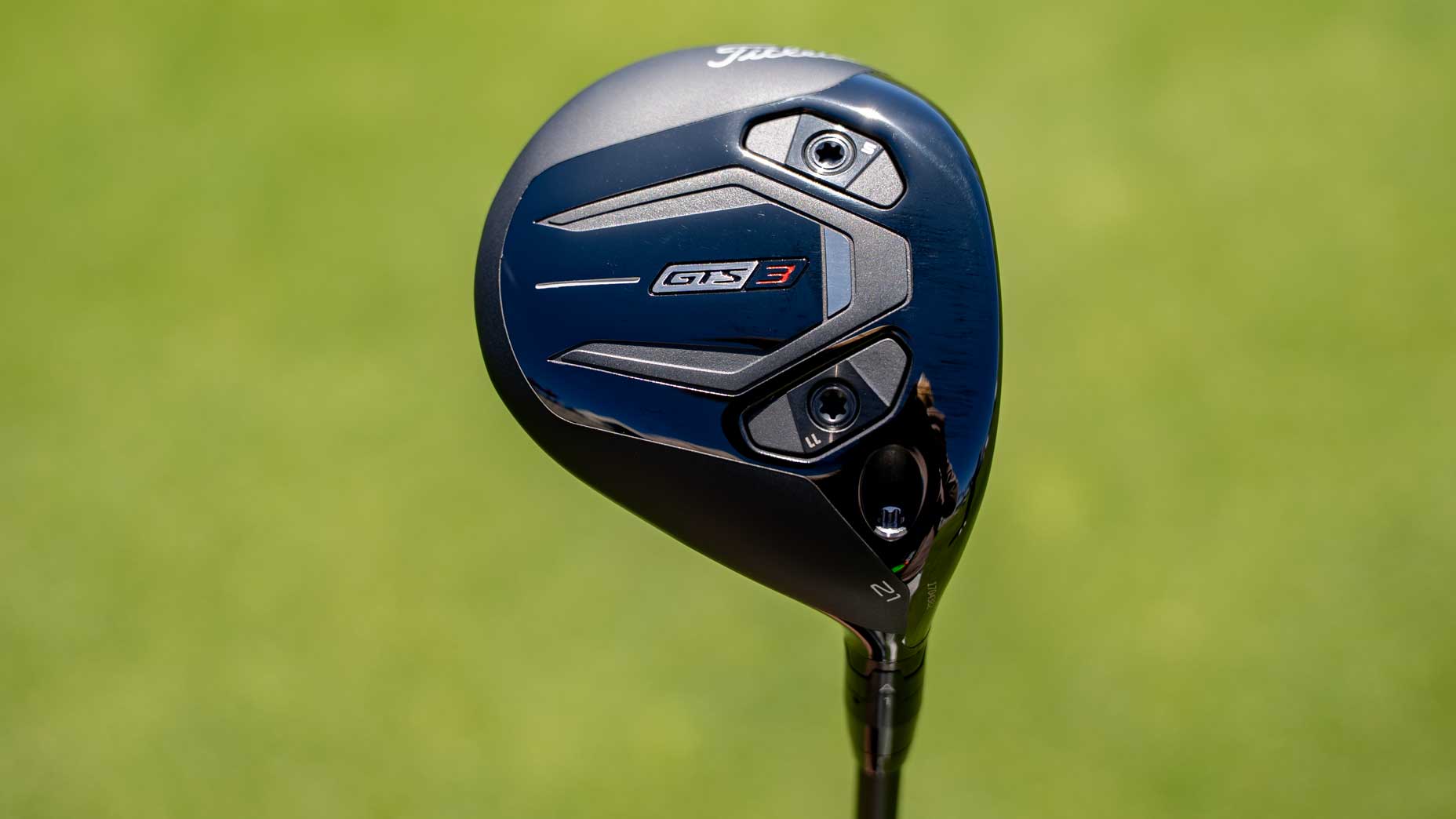
In a move that has sparked interest among golf enthusiasts, Russell Henley has upgraded his bag with Titleist’s latest innovation—the GTS3 7-wood. This club marks a significant departure from his previous hybrid model, the TSi2, and represents the introduction of Titleist's first 7-wood in their renowned "3" model line. Henley’s decision illustrates the ongoing evolution in golf equipment and how players are adapting to maximize performance on the course.
Key takeaways
- Henley has replaced his TSi2 hybrid with the new Titleist GTS3 7-wood.
- The GTS3 7-wood is the first Titleist club in the "3" model line available in a 7-wood option.
- This switch reflects Henley’s desire for enhanced versatility and distance in his game.
- The new club may influence how recreational golfers consider hybrids and woods in their own sets.
Context and background
The transition from hybrids to woods isn't new in golf, but it has certainly gained momentum in recent years as players look for alternatives that offer both distance and shot versatility. The 7-wood, in particular, has regained a degree of popularity as it provides players with an option that can seamlessly bridge the gap between traditional woods and hybrids. Historically, Titleist has been a mainstay in producing high-quality equipment, and the introduction of the GTS3 7-wood signifies their commitment to innovating while maintaining tradition.
Henley, currently ranked among the top players on tour, has been known for his strategic approach to equipment. His decision to swap out the TSi2 hybrid for the GTS3 reflects a shift in his needs, particularly in achieving optimal distances from long grass and achieving precise approach shots. In fact, approximately 14% of players on tour have been known to favor models like the 7-wood due to its dynamic capabilities, often preferring them over hybrids which might not offer the same level of forgiveness.
Henley embraces new technology
The decision to opt for the Titleist GTS3 7-wood comes at a time when golfers are turning towards clubs that enhance their playability across varying conditions. Technology has advanced significantly, with the inclusion of weight distribution and a focus on optimizing launch angles. Henley's choice of the GTS3, known for its unique shaping and enhanced grip, speaks volumes about how the optimal club can make a significant difference in a player's performance.
Statistically, Henley is aiming to improve his scoring averages from the fairway while enhancing the accuracy of his long-range shots. By integrating a 7-wood like the GTS3 into his arsenal, he might achieve gains in both distance and precision. The club's specifications, including a larger sweet spot and improved centra mass, encourage a higher launch angle, which is something Henley has sought to incorporate in his game.
Comparatively, traditional hybrids like the TSi2 can sometimes struggle to provide the same lift without specialist technique, making this upgrade strategically advantageous. As courses become increasingly challenging, having versatile tools at hand is more essential than ever. Henley's collaboration with Titleist allows him to align his tactical shooting strategy to a club that fits his personalized needs—tying technology, artistry, and performance together seamlessly.
In their own words
"I’ve always looked for ways to enhance my game through my equipment. The GTS3 7-wood has quickly become a vital tool for me, especially when navigating difficult lies and making precise shots. I feel confident in my choices and the technology behind them."
— Russell Henley
What this means for golfers
For recreational golfers, Henley's switch to the Titleist GTS3 7-wood can serve as an inspiring example of how carefully selecting the right equipment can significantly affect one's game. As players develop their skills, understanding the differences between hybrids and woods can guide them in making strategic choices. Consumers looking to make similar upgrades might want to consider factors such as swing speed, typical course conditions, and personal comfort with various club styles.
Additionally, the emergence of versatile options like the GTS3 can bring a new dimension to a golfer's gameplay, especially when faced with challenging conditions or long par-5s. Advancements in club technology mean that players of all skill levels can benefit from exploring these modern advancements, potentially leading to improved shot-making and scoring.
What's next
As Russell Henley continues to adapt to his new equipment, fans and analysts alike are keen to observe how this strategic decision will impact his performance in upcoming tournaments. The next few months promise an action-packed schedule on tour, with several high-stakes events where Henley will have the chance to showcase his newly enhanced capabilities. The GTS3 7-wood might not only be a game-changer for Henley, but it could also set a trend for other players who may follow his lead in exploring the advantages of woods versus hybrids.
As the golfing season progresses, keep an eye on how the relationship between equipment innovation and player performance unfolds. Expectations for Titleist's upcoming clubs will also likely be influenced by Henley’s experiences, influencing both professional and amateur golfers in their future equipment purchases.



/https%3A%2F%2Fcdn.pijper.io%2F2026%2F06%2FKbybhmCTzOLfSI1780318475.jpg)