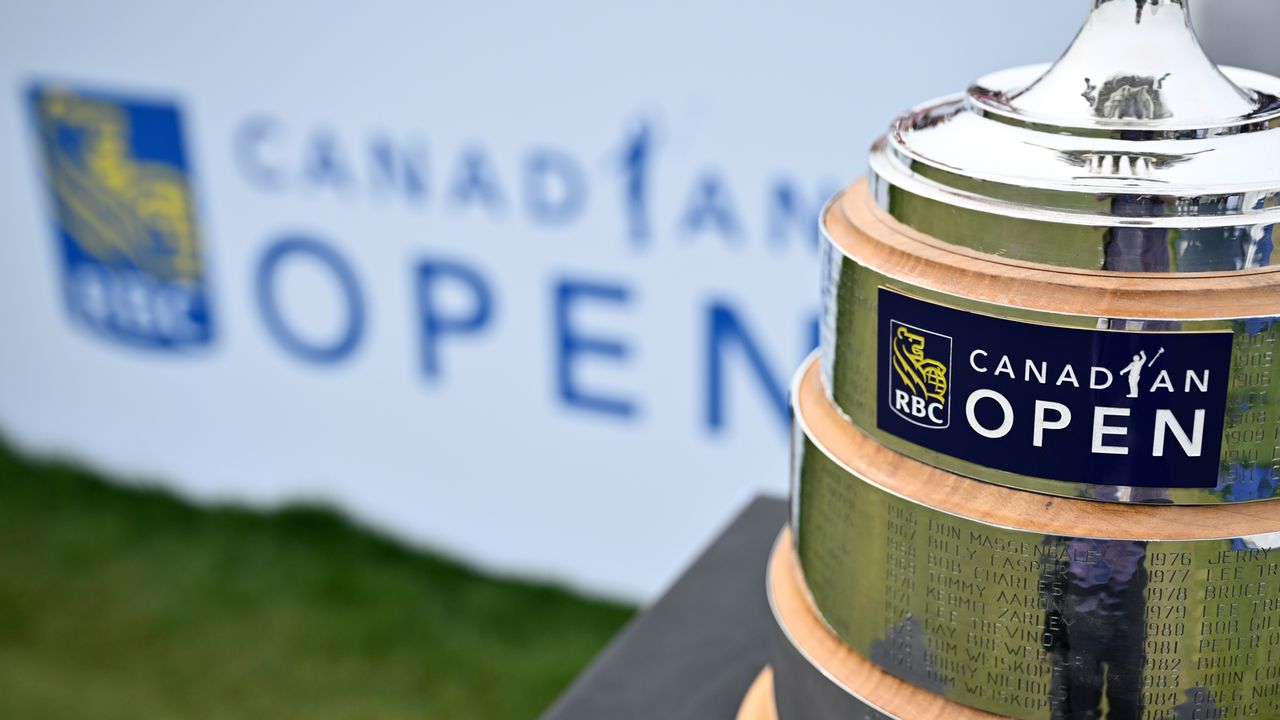
The RBC Canadian Open recently gave golf fans something to talk about beyond the usual birdies and bogeys. In a moment that has sparked a fierce debate about the rules of the game, Sam Burns, the young American talent, found himself at the center of controversy after avoiding what many believed to be a clear two-shot penalty. As viewers tuned in to watch the action unfold, they were left questioning how a situation that seemed straightforward could lead to such differing interpretations of the rules.
Context and background
The RBC Canadian Open has a storied history, being one of the oldest tournaments on the PGA Tour dating back to 1904. It encapsulates the growth of golf as a professional sport in North America and has witnessed numerous memorable moments over its long tenure. As the tournament evolves, the rules governing its play continue to adapt, but they also elicit much debate among players and fans. Throughout the years, various high-profile incidents have highlighted the complexity of golf's rules.
In recent years, golf's governing bodies reevaluated their rules, striving for clarity and consistency, especially in the wake of numerous controversial calls that garnered media attention. For instance, since 2019, significant changes were made to the Rules of Golf, aimed at streamlining processes and reducing penalties for accidental infractions. While these modifications sought to encourage a more inclusive and forgiving playing environment, they have also paved the way for uncertainty when exceptional situations arise.
A moment of controversy
In a pivotal moment during the RBC Canadian Open, Sam Burns was involved in a scenario where an action brought up potential infractions according to the Rules of Golf. His shot, which might have seemed to clearly contravene established guidelines, raised eyebrows. Many fans and analysts believed that Burns should have faced a two-shot penalty, particularly due to the nature of his actions on the course. Commentary flooded social media as viewers expressed their disbelief that interconnected, time-sensitive aspects of the rules did not yield a penalty.
What made this situation particularly compelling was the nature of golf itself, where every ruling can pivotally alter the course of a tournament. In a sport steeped in tradition and an esteemed commitment to discipline, controversies such as this one quickly escalate, prompting fans, players, and officials alike to reassess the clarity of the rules in play. In Burns’ case, while many felt he acted improperly, the ruling bodies sided with the interpretation that aligned with the intricate and often convoluted rule set itself.
In their own words
"I understand why everyone might feel that way, but the rules as they stand right now simply don’t support a penalty. It’s all about the interpretation at that moment."
— Sam Burns
"This incident raises valid questions about the fairness of the rules. There must be a better way to ensure that all players are held to the same standard."
— Golf Analyst
What's next
As golf enthusiasts confront the latest debacle in the ongoing narrative of golf regulations, the focus will inevitably shift to the forthcoming events on the PGA Tour. Players and fans alike will be watching closely to see how incidents like Burns’ are handled moving forward, particularly with regard to consistency in enforcing rules. The PGA Tour and its governing bodies may need to clarify the language and interpretations surrounding these pivotal rules to maintain both the integrity of the competition and the trust of the players who abide by them.
The situation serves as a reminder that in golf, unlike many other sports, there exists a deep connection between tradition and the evolution of the game. Upcoming tournaments and discussions among the golfing community post-RBC Canadian Open may very well contribute to meaningful changes going forward, ensuring that moments like this one lead to improvements rather than just controversies.