
Key takeaways
- Scottie Scheffler experienced frustration during the opening round of the Memorial Tournament, particularly on the par-3 16th hole.
- A mishap involving the wind and water led Scheffler to critique how courses are designed with regards to natural elements.
- His performance raised discussions about the strategic value of trees in protecting courses from wind and shaping play.
- The debate surrounding trees vs. wind in golf course design is part of a broader discourse about how environments can be optimized for the game.
- Scheffler's perspective as the world No. 1 brings significant attention to these design considerations and their impact on modern golf.
Context and background
The Memorial Tournament, held at the renowned Muirfield Village Golf Club, has long been a showcase of the game’s finest talents and an experimental ground for golf course design. Founded by Jack Nicklaus in 1976, Muirfield Village has undergone various updates and renovations, emphasizing the importance of both strategy and natural elements, such as trees and wind. As is often the case in golf, conditions such as wind can drastically change the landscape of a course on any given day, making it more challenging for players.
Historically, the role of trees on a golf course has been both praised and criticized. On one hand, they can provide a scenic backdrop, define playing lines, and offer strategic resistance against the elements. On the other hand, they can hinder play and limit the ability of golfers to implement a variety of shots. A prime example of this discourse is the ongoing debate between trees versus wind as a significant design feature, especially during unpredictable weather conditions.
Frustrations on the course: Scheffler's experience
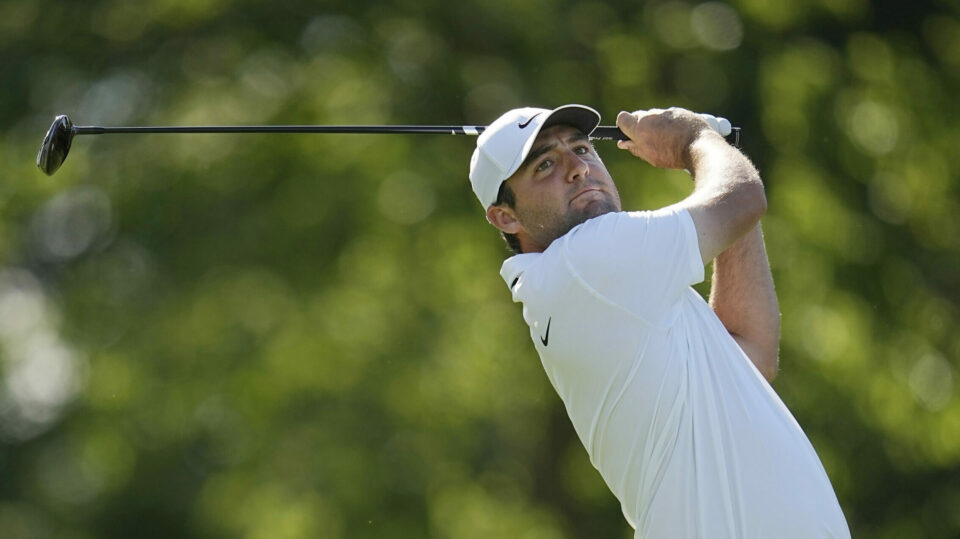
As the current No. 1 golfer in the world, Scottie Scheffler entered the Memorial Tournament with high expectations. However, in a disappointing opening round at Muirfield Village, he found himself confronting a significant obstacle: the wind. On the 16th hole—a par-3 known for its scenic layout but also its potential hazards—Scheffler's tee shot fell victim to the gusts, landing in the water and leading to a frustrating bogey.
The mishap on 16 encapsulated not only Scheffler’s challenges throughout the day but also served as a catalyst for a broader discussion on course design. In acknowledging the water hazard, Scheffler highlighted how trees can serve effectively as natural barriers against strong winds, potentially altering the dynamics of a hole. His experience sparked renewed conversations about whether the presence of trees enhances pleasure and strategy for golfers or merely complicates it.
In statistical terms, a deeper analysis of the day’s play showed that wind played a pivotal role in scores across the board. Multiple players struggled to keep their shots on line, with several running into the water on the same treacherous 16th hole. This not only emphasizes how critical conditions can be during any given tournament but also hints at a call for designers to reconsider the balance of trees in relation to wind's influence.
In their own words
"The wind can turn a straightforward shot into a nightmare. If there were trees lining the path more effectively, I believe it could lead to more predictable outcomes, helping players manage their game better."
— Scottie Scheffler
"Every golfer knows that a gust of wind can change everything. Trees will not stop the wind altogether, but they can create an environment where players have more control over their shots."
— Jack Nicklaus
What this means for golfers
The dialogue surrounding the trees-vs-wind issue has implications far beyond professional play. Recreational golfers can take valuable lessons from this debate. Understanding the role of trees and other natural elements in course design can enhance a golfer's strategic thinking. For example, when playing a course with heavy tree coverage, players might hone their ability to shape shots or manage trajectories in the wind.
For amateurs seeking to upgrade their equipment, considering gear that aids in shot shaping or offers better control in the wind might be advisable. Notably, clubs designed for heightened accuracy or with adjustable features can make the difference in managing courses that present challenges like those faced by Scheffler.
What's next
Looking ahead, the Memorial Tournament will continue to be a platform for discussion regarding course design and the interplay of natural elements. How players adapt their strategies to environmental variables will be closely examined as the tournament progresses. With more rounds to be played and weather forecasts shifting, expect increased scrutiny on golf course architects and discussions about how best to balance trees and wind moving forward. As Scheffler competes in subsequent rounds, his on-course decisions and experiences will undoubtedly shape this ongoing conversation in golf.
This debate has sparked interest not only among players but also among fans and analysts who are keen to witness how design elements influence play during major tournaments. The question remains: as golf evolves, will the design principles adapt to emphasize environmental factors more effectively, ensuring both enjoyment as well as challenge?

/https%3A%2F%2Fcdn.pijper.io%2F2026%2F06%2FRkUgIHk3UBT3tw1781080975.jpg)