

Intro paragraph
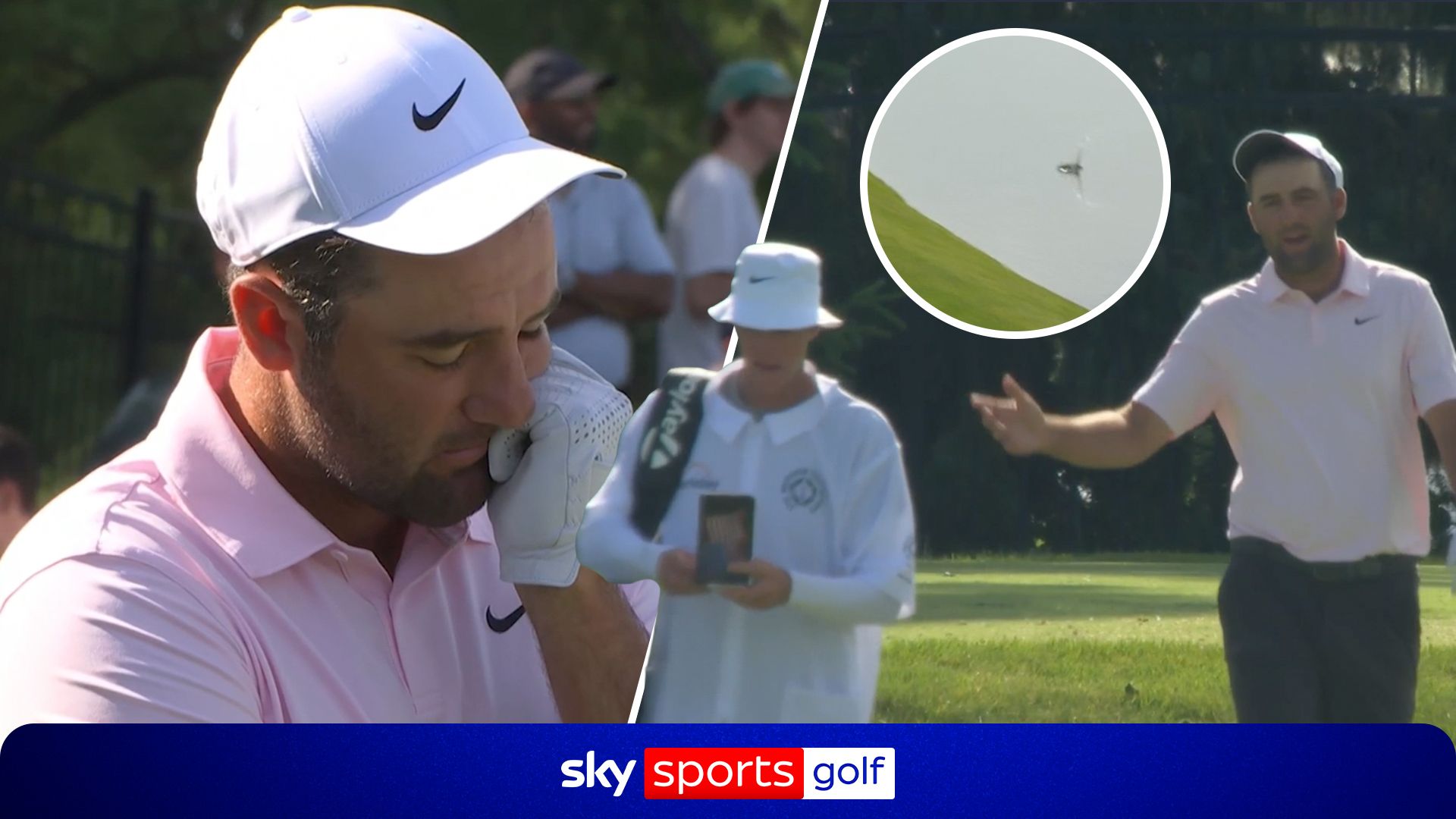
The usually composed Scottie Scheffler found himself in an unexpected confrontation with his caddie, Ted Scott, during the Memorial Tournament. The tension arose on the 16th hole when Scheffler's tee shot landed in the water, prompting a heated exchange that caught the attention of fans and commentators alike.
Key takeaways
- Scottie Scheffler had an intense exchange with caddie Ted Scott at the Memorial Tournament.
- The incident occurred after Scheffler's tee shot on the 16th hole found the water.
- Such exchanges are rare for Scheffler, known for his calm demeanor on the course.
- The situation highlights the pressure players face during high-stakes tournaments.
- Caddie-player relationships are crucial and can be tested under competitive stress.
Context and background
The Memorial Tournament, hosted annually at Muirfield Village Golf Club in Dublin, Ohio, is one of the PGA Tour's most prestigious events. It attracts top players from around the world, competing for not only the trophy but substantial prize money and world ranking points. In recent years, Scottie Scheffler has established himself as a formidable player, having won several tournaments and earning a solid position within the top ten of the Official World Golf Ranking.
However, the heat of competition can lead to heightened emotions, as evident by Scheffler's interaction with his caddie. Caddies play a crucial role in guiding players based on course conditions, club selection, and overall strategy. Typically, their relationship is characterized by mutual respect, but the pressure of major tournaments can lead to friction, especially when critical mistakes occur.
A fiery moment on the course
On the frustrating par-3 16th hole at Muirfield Village, Scheffler pulled out his driver, aiming to execute a well-calculated shot. Unfortunately, the ball veered off course and found the water hazard, a devastating mistake at such a crucial moment during a competitive round. In the aftermath, Scheffler's frustration boiled over, leading to an animated discussion with Ted Scott. “I can’t hear a word you’re saying!” Scheffler reportedly exclaimed, highlighting the intensity of the moment.
This was not only a rare sight for Scheffler, who typically remains calm and collected, but also a reminder that even the best golfers experience pressure and frustration. As spectators, we often forget that beneath the calm surface of a professional golfer lies the same emotional turmoil that any athlete might face. Scheffler's reaction serves as a stark contrast to the image many have of him as a cool-headed competitor.
Such incidents aren't without precedent in professional golf. From Phil Mickelson's often animated communication with his caddies to Rory McIlroy's public disagreements, golf is not immune to on-course disputes. However, players like Scheffler usually keep their emotions in check, making this exchange particularly notable.
In their own words
"I can’t hear a word you’re saying!"
— Scottie Scheffler
What this means for golfers
This exchange between Scheffler and Scott is an important reminder for amateur golfers about the pressures faced at every level of the game. Golf is often seen as a solitary sport where personal temperament can dictate performance. This incident underscores the significance of maintaining composure and communication, especially when things do not go according to plan.
Recreational golfers can learn vital lessons in not just managing on-course mistakes but also how to communicate effectively with their playing partners or caddies. Just like Scheffler, it is essential to strike a balance between expressing frustration and ensuring that communication remains constructive.
Furthermore, for amateurs who often seek guidance from more experienced players or instructors, keeping a level head, particularly during difficult shots, can lead to more productive and less emotionally charged interactions.
What's next
Looking ahead, Scottie Scheffler aims to channel the emotions stirred during the Memorial Tournament into positive energy for future competitions. As the PGA Tour progresses, the stakes heighten, especially with major tournaments on the horizon. Scheffler’s ability to refocus and maintain his famed poise will be essential as he competes against the elite in upcoming events.
Moreover, fans will be eager to see if any lingering effects from the incident influence Scheffler’s performance moving forward. This incident serves as a reminder of the human side of golf; veterans and novices alike can face similar pressures, making each competition as psychologically demanding as it is physically challenging.
/https%3A%2F%2Fcdn.pijper.io%2F2026%2F06%2F1Idb7GKgZ0Kjv31780652026.jpg)