Introduction
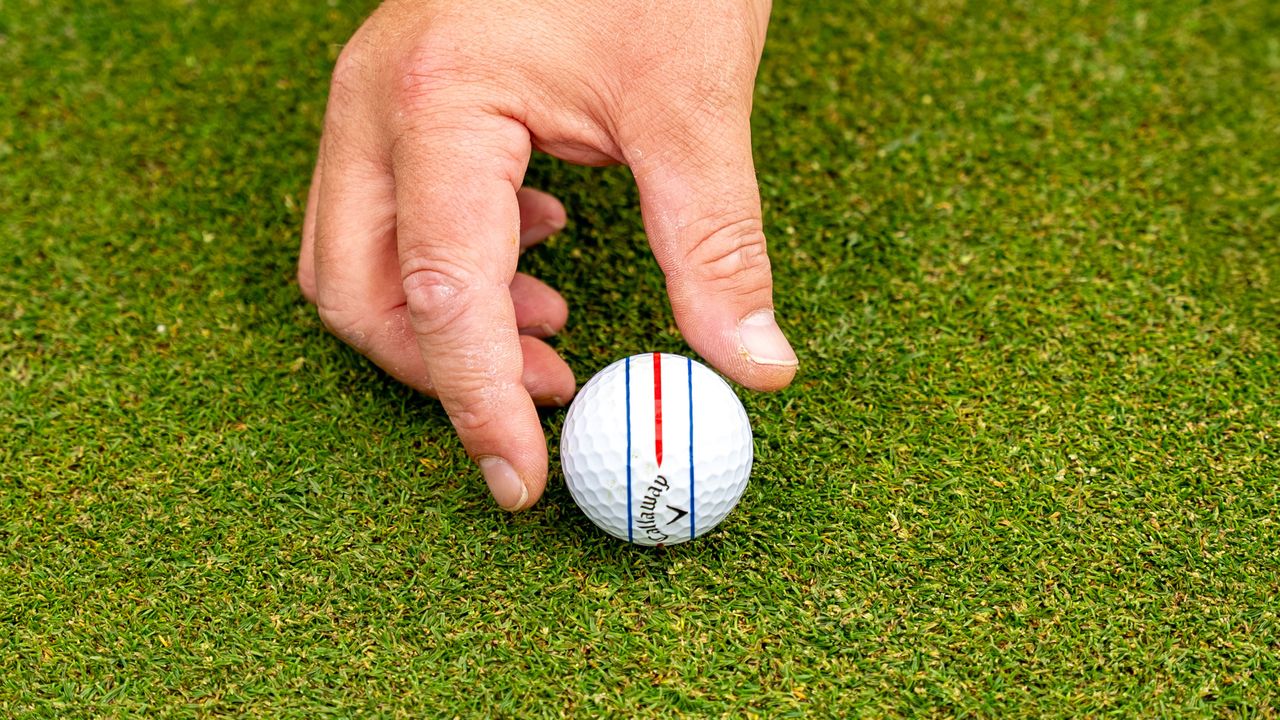
As golf evolves with technology, one of the hottest debates among players and officials is whether alignment aids on golf balls should be banned. These visual markers, designed to assist golfers in improving their putting accuracy, have gained rapid popularity among recreational and professional players alike. However, their inclusion raises questions about the integrity of the game and how much technological assistance should be permitted on the course.
Key takeaways
- Alignment aids are visual markers on golf balls intended to enhance putting precision.
- While popular among players, their legitimacy and fairness in competitive play have been questioned.
- The USGA and R&A, golf's governing bodies, are evaluating the implications and potential rulings on such aids.
- Advocates argue that these aids can benefit players of all levels, while critics suggest they alter the traditional skill set required in golf.
- The ongoing controversy could impact equipment regulations and the future of golf technology.
Context and background
The emergence of alignment aids on golf balls represents a significant shift in golf equipment, which has historically balanced innovation with tradition. The U.S. Golf Association (USGA) established Equipment Standards in the 1930s, prioritizing fair play while allowing technical advancements. As a result, items like golf clubs, balls, and various accessories have been continuously refined. Notably, back in 2016, the USGA approved the use of balls with modified dimples to enhance aerodynamics, setting a precedent for changes in ball design.
According to the USGA, there are currently over 1,200 different golf ball models approved for play, highlighting how vital innovation is to the sport's evolution. Proponents of alignment aids argue that such technology can level the playing field, helping amateur golfers achieve better results and enjoy the game more. In fact, a survey conducted by the PGA indicated that 70% of golfers find it easier to align their putts using alignment aids.
The great debate on alignment aids
At the heart of the current debate is a fundamental question: Does the use of alignment aids fundamentally change how the game is played? Advocates for keeping these aids argue that they only enhance a player's natural abilities. In competitive rounds, every millimeter counts, and the science behind putting often requires more than intuition. Certain studies estimate that nearly 40% of all shots played are on the greens, making putting a crucial aspect of performance.
Critics, however, contend that permitting these aids undermines traditional skills honed through practice and experience. They argue that golf has long been a sport requiring innate precision and focus, and introducing technological modifications deviates from that ethos. A representative from the R&A stated,
“Golf has always been a game where a player’s skills dictated their success. We must examine how much external assistance we allow before it becomes unfair.”
— R&A Spokesperson
As the debate unfolds, it is essential to look at the numbers around putting statistics. According to Shotscope’s 2021 report, the average putting stokes per round for an average golfer is about 36, underscoring just how critical that skill set is to overall score maintenance. If alignment aids lead to a measurable drop in strokes-per-round metrics, do they not also alter the fabrics of skill boundaries?
In their own words
“I believe that any technology which helps maintain the purity of the game while providing an edge is worth considering. But at what point do we cross the line?”
— Phil Mickelson
“Alignment aids help make putting less of a guessing game and more about mechanics. This will ultimately grow the sport.”
— LPGA Player
What this means for golfers
For recreational players, the introduction of alignment aids can be a game-changer. The ability to align putts confidently may reduce frustration and enhance the overall enjoyment of the game. In no small part, this will make golf more appealing to newcomers. However, should these aids be banned in competitive play, players who rely heavily on them may need to adjust their putting strategies.
As golfers consider investing in these balls, it's important to assess personal playing style and preferences. Those who have historically struggled with alignment may find substantial benefits in alignment-aided balls, while traditionalists may wish to stick to standard options. Equipment experts suggest trying various ball models to judge personal performance impact.
What’s next
As the golf community engages in discussions surrounding the potential ban of alignment aids, future tournaments may become battlegrounds for this controversy. The USGA and R&A are gathering input from players, manufacturers, and amateur leagues to arrive at a decision that respects both tradition and innovation.
The Golf Equipment Standards Committee plans to publish recommendations by early 2025 to clarify the path forward. Players should keep an eye on upcoming events, particularly major tournaments where regulations regarding equipment are heavily scrutinized.
Regardless of the eventual outcome, one thing remains clear: the conversation about technology and its role in golf will continue to evolve, and so will the sport itself.
/https%3A%2F%2Fcdn.pijper.io%2F2026%2F05%2FCcTP3rGAR5Q4Qw1777888838.jpg)