

Context and background
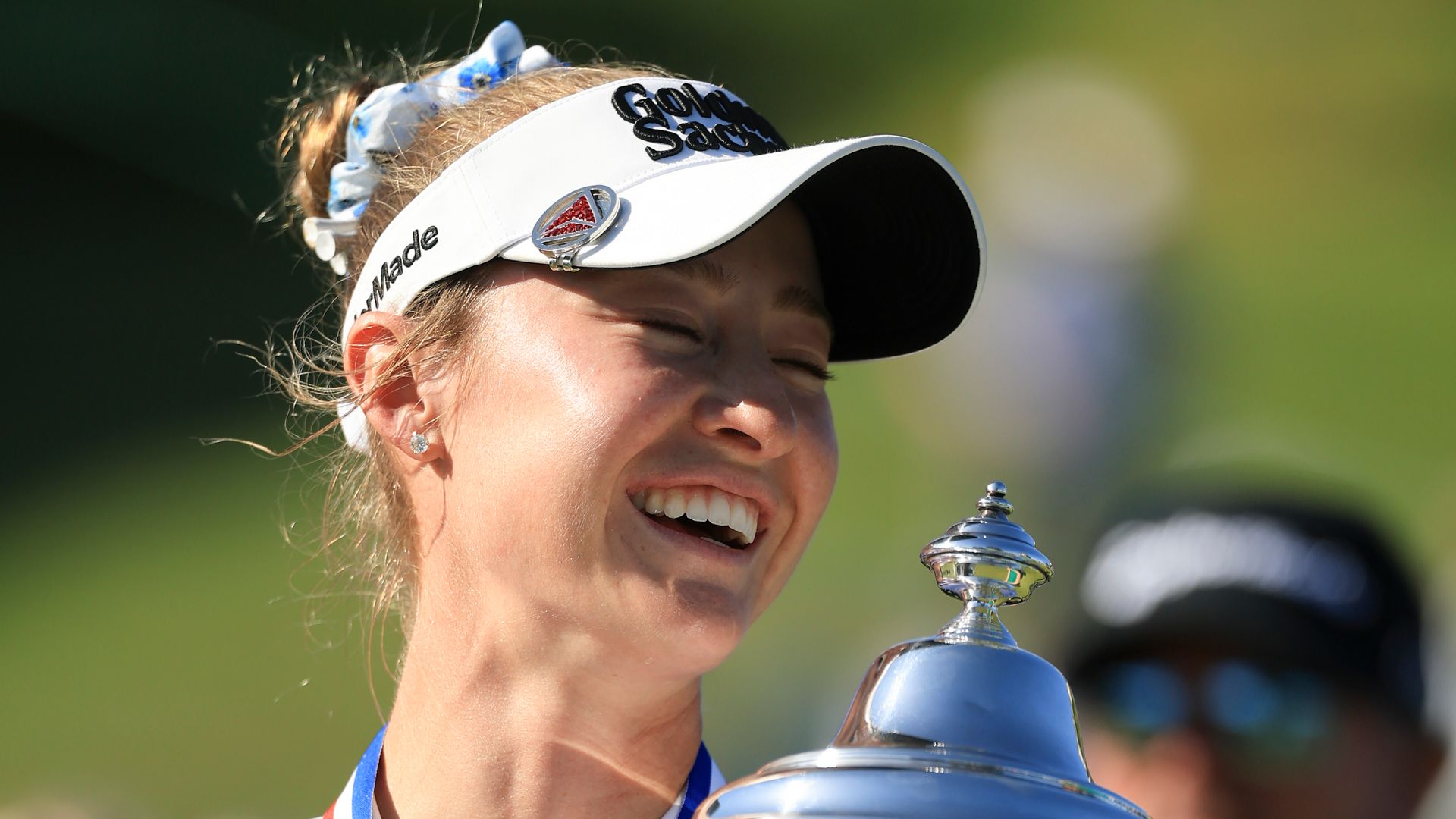
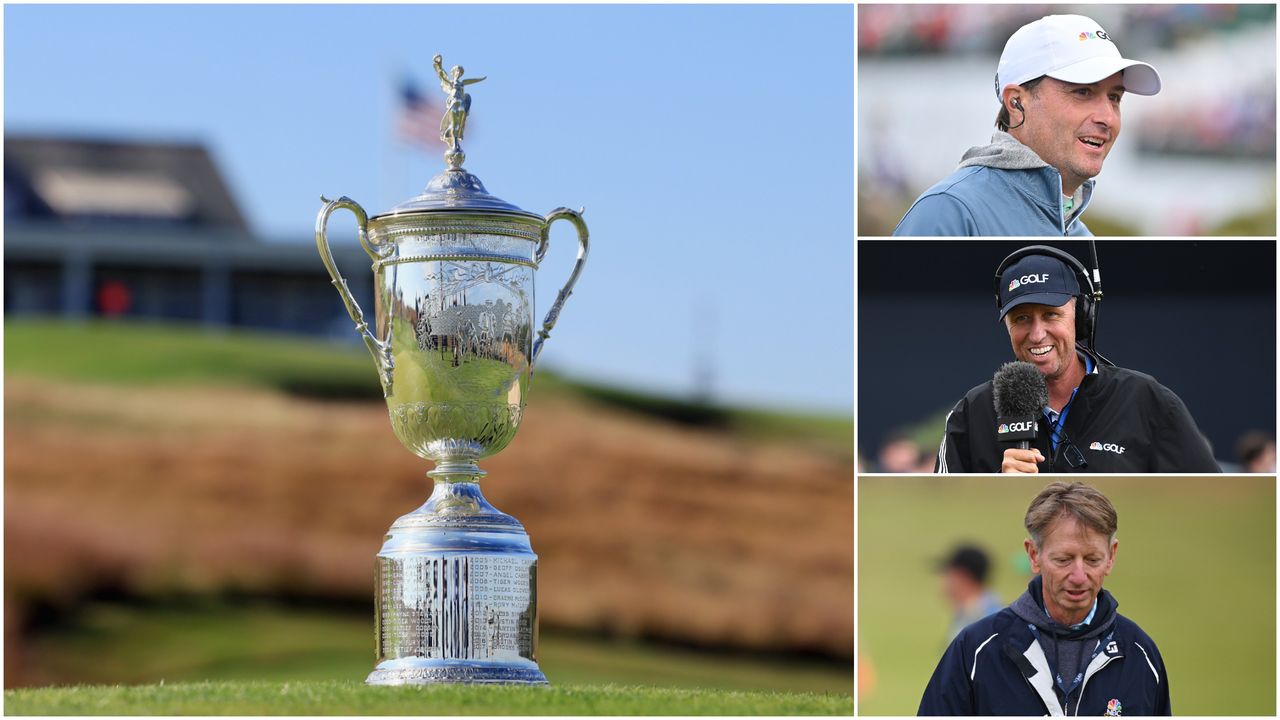
The Curtis Cup, a revered competition in women's amateur golf, has a rich history dating back to 1932. Traditionally, the event showcases exceptional golf talent from across the globe, pitting top amateurs from the United States against those from Great Britain and Ireland. Over the decades, the tournament has become a breeding ground for future professionals, with participants including legends such as Annika Sörenstam and Lorena Ochoa.
Played biennially, this prestigious tournament is held on exclusive links and meticulously maintained courses, which makes its strategy critical for competitors. Recently, the event was hosted at the iconic Bel-Air Country Club in California, known for its challenging layout and scenic views. As players prepare to take on this challenging venue, Coach Katie Dawkins, a seasoned instructor and a top 50 coach, offers insights that go beyond traditional techniques. Her strategy focuses not solely on swing mechanics, but on smart course management—a tactic that could help weekend players improve their scores significantly.
Smart play: less greed, more strategy
Dawkins emphasizes a principle that often goes overlooked in the heat of competition: patience. "Golf is a game of risk and reward," she notes. However, many amateur players often play aggressively, striving for low scores in a way that can lead to disaster. By adopting a more conservative approach, golfers can navigate courses like Bel-Air more effectively, selecting smarter shot options instead of taking unnecessary risks.
Transitioning to a more prudent game plan involves understanding the terrain and recognizing when to yield to the course. For example, at Bel-Air's famed par-3 5th hole—where precision is paramount—Dawkins suggests focusing on the wide, receptive green rather than trying to hit a perfect shot. "Aim for the safest part of the green and let the conditions bring the ball towards the hole," she explains. It’s a strategy that often pays dividends over time, with accurate placements leading to more manageable putts.
On the longer holes, Dawkins advises golfers to assess their power levels. "If you're not consistently hitting drives that can reach the green, think about laying up on a par 5, for instance," she mentions. This type of wise decision-making means avoiding the dreaded water hazards or troublesome bunkers that add strokes to one's scorecard. Choosing to play with caution can often result in a much cleaner round.
In their own words
"I believe that patience on the course is just as important as having a good swing. It’s all about positioning yourself for the next shot rather than going for broke every time."
— Katie Dawkins
"You only need to look back at past champions to see that smart strategy beats raw power much of the time. Think before you hit, and your scores will reflect that."
— Anonymous Curtis Cup competitor
What’s next
As the Curtis Cup unfolds at Bel-Air, its lessons offer insights for both amateur and aspiring players. Moving forward, golfers can look ahead to local matches and informal games while applying these strategic approaches on the course. Consider upcoming events on the amateur circuit where similar conditions may arise; implementing patience and shrewd decision-making can yield better results. The next time you find yourself on a challenging course, remember the insights from Katie Dawkins and the Curtis Cup players. By setting aside greed and choosing trajectories wisely, golfers of all skill levels have the potential to lower their scores and elevate their game.