


Intro paragraph
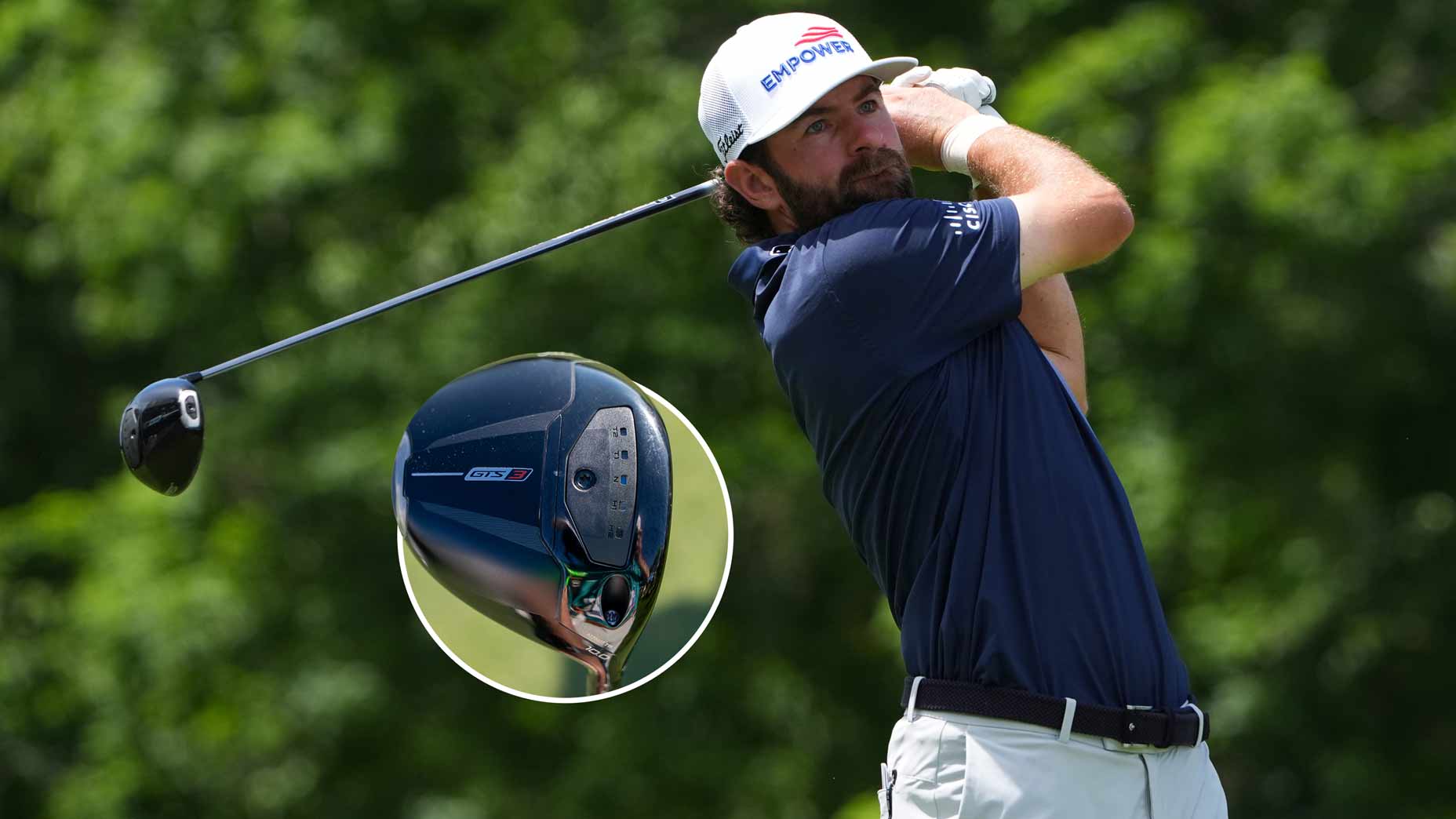
In the competitive world of professional golf, seemingly minor changes can yield significant results. For Cameron Young, switching golf balls has been a game changer, propelling him to the forefront of the men’s game alongside fellow contender Rory McIlroy. This adjustment not only reshaped their performance but also highlighted the critical relationship between equipment and success on the tour.
Key takeaways
- Cameron Young's recent switch to a different golf ball coincided with improved performance on the tour.
- Changes in equipment have been linked to significant career advancements for several players, including Rory McIlroy.
- Understanding the physics of golf balls can provide amateur golfers insights into improving their own games.
- Young's performance metrics suggest that the right golf ball can alter flight characteristics and overall playability.
- As equipment technology evolves, players continue to push for adaptations that maximize their game.
Context and background
The impact of equipment changes in golf is well-documented. Throughout history, players have seen substantial gains after making informed shifts in their gear. Rory McIlroy, for instance, has historically cycled through golf balls—each switch often heralding an uptick in performance metrics such as driving distance and accuracy. For Cameron Young, the story is no different; recent statistics have shown a sharp improvement in his performance following the switch. In just his second year on the PGA Tour, Young has quickly made a name for himself, securing crucial placements in high-stakes tournaments. His consistency speaks volumes to the notion that every element in golf—down to the ball—can affect not just performance but also a player’s mental game and confidence.
A transformative change: The story of Cameron Young
When Cameron Young made the decision to transition to a new golf ball, he was building on a foundation of evident talent but lacked the consistency needed to compete consistently at the highest levels. Young had already begun to show promise with remarkable distance and shot-making ability. Still, it was only after analyzing his performance and the traits of the golf ball he was using that clarity struck. The new ball not only corrected flight paths that were previously erratic but also offered enhanced feel and control around the greens.
Data from recent tournaments suggest that Young's average driving distance has increased significantly since the switch—upwards of 7-10 yards in some instances. This increase not only aids in longer approaches but also translates to better scoring opportunities as he’s able to reach par 5s in fewer strokes. Young's putts per round have also reduced by an average of 0.5, indicating that the feel provided by the ball has positively influenced his short game.
In their own words
"Switching to this ball gave me an entirely new perspective on my game. It’s been a remarkable transition and I feel more confident on every shot."
— Cameron Young
What this means for golfers
The implication of a gear change like Young's can't be overstated for recreational golfers. Much like professionals, amateurs should consider their equipment's specifications, including the golf ball they choose to play. Factors such as compression, cover type, and spin characteristics should all align with a player’s individual swing style and skill level. Testing different golf balls may unveil improvements in distance, accuracy, and control, making significant differences in overall scoring.
For those looking to emulate Young’s ascent, investing time in understanding how ball changes affect game play can yield benefits far beyond the greens. Just as Kevin Na has noted before, players should feel comfortable with the tools they’re using, as confidence translates directly to performance.
What's next
As the PGA Tour unfolds with more high-stakes tournaments approaching, all eyes will be on Cameron Young to see if he can maintain his upward trajectory. With the Ryder Cup on the horizon, intriguing questions will surround potential equipment changes for other players as they seek an edge in their game. Watching Young and McIlroy as they leverage the benefits of their recent switches may provide valuable lessons for both budding and seasoned golfers, sparking a wave of introspection regarding equipment choices across the board. Whether or not their strategies pay off in tournament outcomes will be a story worth following in the coming months.
/https%3A%2F%2Fcdn.pijper.io%2F2026%2F06%2F1Idb7GKgZ0Kjv31780652026.jpg)