

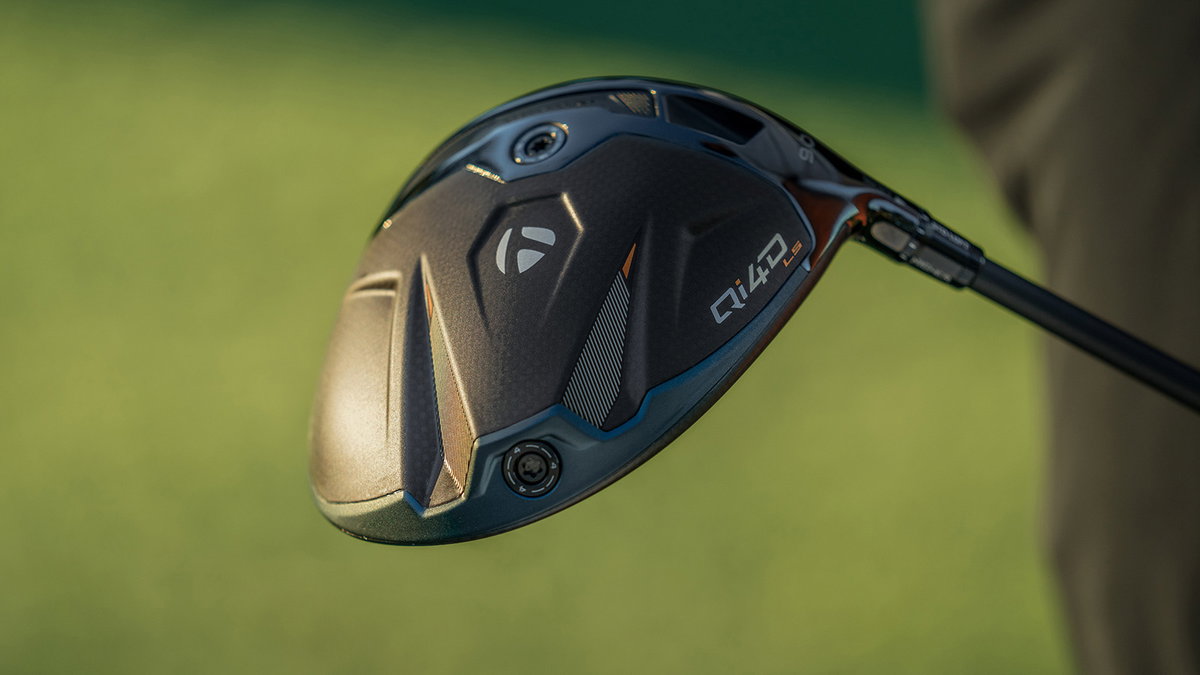
Major changes in TaylorMade's driver strategy
In a significant shift for the golf equipment industry, TaylorMade has announced its decision to move away from annual driver launches. Instead, the company will implement a new two-year release cycle for its metalwoods lineup. This change is poised to transform the way golfers view innovation and product updates in the competitive market of golf drivers.
Key takeaways
- TaylorMade will transition to a two-year release cycle for drivers.
- This move signifies a shift in product development strategies within the golf industry.
- It aims to enhance the quality and innovation of each new driver.
- The decision responds to changing consumer demand and environmental considerations.
- Competitors may follow suit, altering the pace of product launches in the market.
Context and background
The golf industry has long been characterized by rapid product cycles, with manufacturers typically unveiling new drivers every year. TaylorMade, a prominent player in the golf equipment space, has traditionally adhered to this strategy, treating each new season as an opportunity to capture consumer interest with cutting-edge technology and designs. With the introduction of innovations such as adjustable weights and face technologies, the pressure to deliver new models annually generated buzz and excitement.
However, over the past few years, the market has seen diminishing returns from frequent product launches. Consumers have become increasingly informed and selective, often valuing quality and sustainability over the latest model. A 2020 survey noted that over 60% of golfers preferred to wait for proven technology rather than rush to own the latest gear. This shift in consumer behavior, coupled with growing concerns about environmental impact, is making the two-year product cycle more appealing.
TaylorMade's new strategy: A closer look
The shift to a two-year launch cycle allows TaylorMade to focus on enhancing the technology and performance of its drivers. With more time between releases, engineers can invest additional resources in research and development. The result could be more substantial improvements in performance metrics like distance, accuracy, and forgiveness, which are critical to the average golfer looking to improve their game.
This change also signals an acknowledgment from TaylorMade regarding the sustainability of business practices. The golf industry has faced scrutiny over the environment due to the production and disposal of new golf clubs. By extending the life cycle of its products, the company can reduce waste and better align with eco-conscious consumers.
Recent data indicates that custom-fitted options remain a vital part of TaylorMade's offerings, which could further benefit from the two-year product strategy. Custom fittings allow tailor-made solutions for individual golfers, enhancing performance and comfort significantly. The integration of more robust technology in the extended product life could lead to even better fitting experiences.
In their own words
“The decision to move to a two-year release cycle reflects our commitment to delivering the best product we can to our customers and adapting to their evolving needs.”
— TaylorMade Executive
“I think this change will allow golfers to invest in equipment that really makes a difference without feeling pressure to keep up with the latest trends.”
— Golf Equipment Analyst
What this means for golfers
For recreational golfers, the shift in TaylorMade’s driver strategy offers several implications for how they approach their equipment choices. First, golfers can expect enhanced performance standards thanks to the comprehensive research and testing that longer product cycles promise. As it stands, the average golfer can only benefit from advancements in technology when they take the time to learn about and select equipment that best meets their needs. With longer waits between releases, golfers may feel less pressure to buy the latest model, opening the door to a more informed purchasing decision.
On the equipment side, this means a reduction in the number of products released each year. Golfers will have the chance to fully evaluate a driver’s performance over a more extended period before feeling compelled to consider a new purchase. Additionally, independent reviewers and equipment experts will have the time to rigorously test and evaluate the effectiveness of TaylorMade’s offerings, providing invaluable feedback to players looking to optimize their gear.
What's next
As TaylorMade embarks on this new strategic path, the golf community will be paying close attention to how this two-year cycle impacts the broader industry. Will competitors adjust their strategies in response, or will they continue the traditional annual releases? Upcoming trade shows and industry expos may reveal insights into how other brands are considering their product development strategies.
Furthermore, as more players look to the future of equipment innovation, the emphasis on sustainability is expected to continue gaining traction. Golfers can anticipate seeing more brands adopt similar approaches to align their product offerings with consumer preferences for quality over quantity. As this trend unfolds, TaylorMade's move could mark a pivotal moment in the evolution of golf equipment marketing.


/https%3A%2F%2Fcdn.pijper.io%2F2026%2F06%2FRkUgIHk3UBT3tw1781080975.jpg)