
Introduction
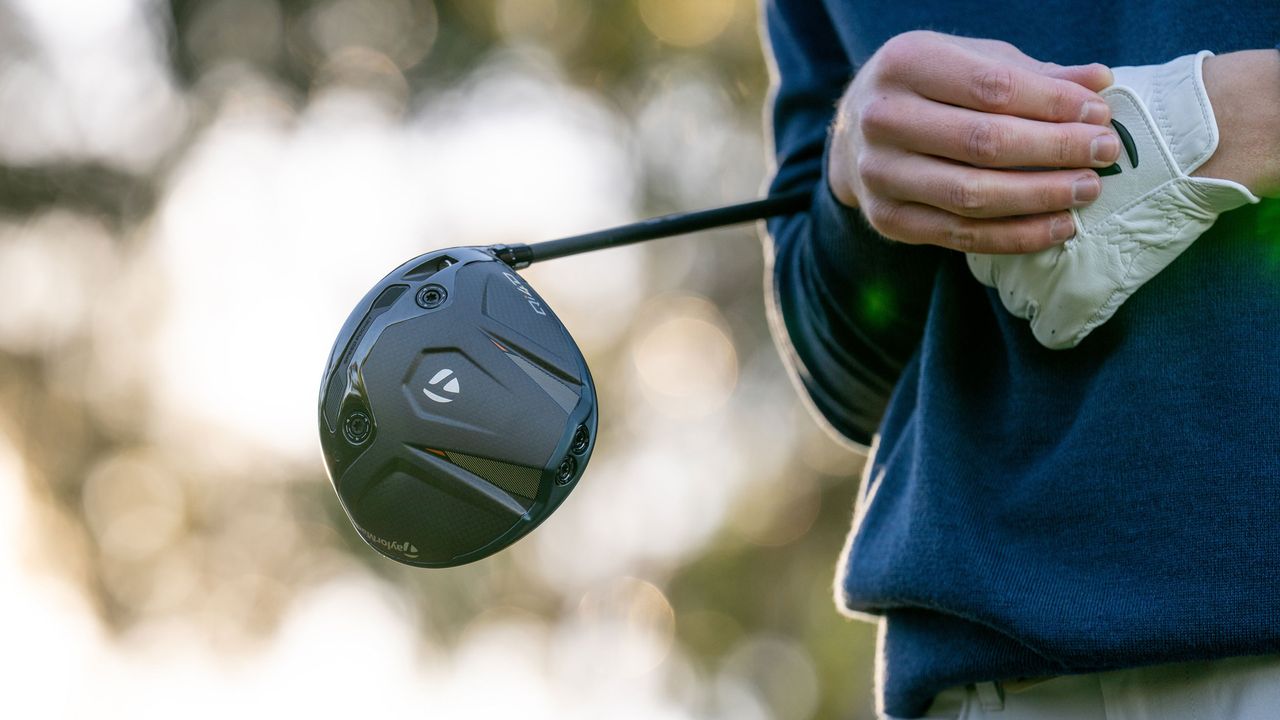
In a groundbreaking move, TaylorMade, one of the most recognized names in golf equipment, has recently announced that it will not be releasing any new drivers in 2027. This significant shift in product strategy marks a transition to a biennial release cycle, allowing the company to focus more on product development and customer engagement rather than the frenetic pace of annual releases.
Key takeaways
- TaylorMade will not launch new driver models in 2027.
- The company is adopting a biennial release cycle for its drivers.
- This change aims to enhance product quality and sustainability.
- Developers will now have more time to innovate and improve existing technologies.
- This shift follows a trend towards mindful consumption in the golf industry.
Context and background
TaylorMade has been a prominent player in the golf equipment industry since its inception in 1979. Known for pioneering innovations in driver technology, the company has consistently rolled out new models year after year. In fact, during the past decade, TaylorMade has been lauded for its technological advancements, including the introduction of adjustable weights and the use of advanced materials in driver design. For instance, the popular M and SIM series drivers received high praise and record sales for their performance and customization options.
However, the relentless annual cycle has often led to speculation about whether companies in the golf industry might be prioritizing marketing over quality. With increased consumer awareness of sustainability, many companies, including TaylorMade, have begun reevaluating their approaches to product development. The decision to align releases with a biennial cycle indicates a response to both market trends and environmental considerations.
Revolutionizing the driver market
The decision to shift to a biennial release cycle is monumental for TaylorMade, reflecting a larger trend in the golf industry. By stepping away from the tradition of annual updates, TaylorMade is opting to deepen its focus on research and development. This approach is anticipated to foster a more robust engagement with consumers and create opportunities for groundbreaking innovations that may have been rushed in the previous model timeline.
Industry analysts have noted that the early release of new driver models often results in diminishing returns. Schwab Technologies, for example, recently released a study indicating that consumer satisfaction often decreases when new equipment is perceived as just slightly improved versions of prior models. This perspective suggests that waiting for a full development cycle may rejuvenate the excitement around new launches.
Moreover, this shift may promote a more responsible consumption model. As the golf industry confronts the challenges of sustainability, reducing the number of new products produced minimizes production waste and resource consumption. TaylorMade's approach could influence other manufacturers to follow suit, potentially leading to a more sustainable future for golf equipment at large.
In their own words
"We believe this shift will allow us to deliver not just products, but real innovations that reflect the needs of our customers and the future of golf itself."
— TaylorMade Executive
"Golfers want to know that the equipment they are using is the best it can be. This change gives us the time to invest in that promise and really listen to what players are looking for."
— TaylorMade Product Developer
What this means for golfers
For recreational golfers, TaylorMade's new release strategy represents a potential shift in how they approach their equipment purchases. In the past, many players felt pressured to buy the latest model each year, often for marginal improvements. With this new cycle, golfers may feel more inclined to invest in a new driver only when significant advancements are made, rather than every year.
This change also highlights the importance of understanding product performance and technology. Consumers will benefit from more thorough reviews, comparisons, and analyses of existing models, which could help them make more informed buying decisions. As a result, golfers may develop a deeper appreciation for technology and craftsmanship in their clubs, rather than chasing the latest trends.
What's next
Looking to the future, golf enthusiasts should anticipate new models coming out in 2026, which will now represent the culmination of two years of advanced development. This shift not only includes TaylorMade’s commitment to innovation in driving technology but also positions them as a leader in sustainable practices within the golf industry.
Additionally, it will be interesting to see how other brands respond to TaylorMade's strategic move. If more companies adopt a similar approach, it could signal a significant shift in how golf equipment is marketed, produced, and sold. Golfers will want to stay informed about upcoming releases and the features they will include as the industry adjusts to this significant change in strategy.


/https%3A%2F%2Fcdn.pijper.io%2F2026%2F06%2FRkUgIHk3UBT3tw1781080975.jpg)