Intro paragraph
In the fast-paced world of professional golf, where endorsements can often eclipse the rewards of tournament victories, a select few players remain free agents when it comes to equipment sponsorships. These talented athletes have chosen to navigate the tour without the backing of major brands, making them some of the most compelling figures in the game. As we delve into the statistics and circumstances surrounding these stars, it becomes clear that their journey through golf's lucrative landscape is far from ordinary.
Key takeaways
- The landscape of golf is defined by lucrative endorsement deals.
- A dozen top players currently lack major equipment sponsorships.
- Being a free agent allows players flexibility but comes with challenges.
- The absence of endorsements can impact a player's financial and competitive landscape.
- These players may soon change the dynamics of sponsorship in professional golf.
Context and background
The world of professional golf has evolved significantly over the past three decades. Gone are the days when players primarily relied on prize money for their earnings. Today, endorsement deals are often the primary source of income for many golfers, with top players attracting deals worth millions. Players like Tiger Woods and Phil Mickelson have set the financial standard, with endorsements extending beyond golf into lifestyle and business ventures.
As of now, the explosion of sports marketing has left a notable gap in the sponsorship landscape. Various players, especially those not in the top-tier rankings, are still without the backing of major equipment brands. According to recent statistics, equipment sponsorships can represent upwards of 30% of a pro golfer's annual income, making it crucial for many players. Yet, the freedom of being an equipment free agent, even amid financial pressures, offers its own allure and challenges.
The journey of golf's free agents
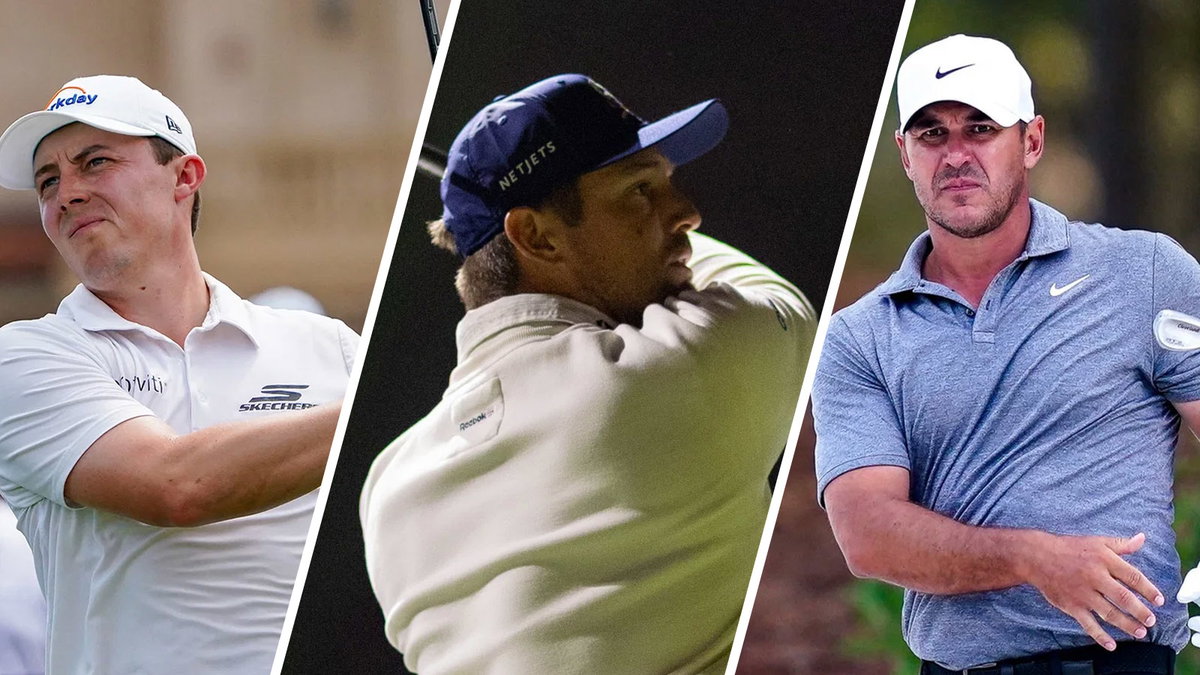
As golf embraces the potential of lucrative partnerships, we spotlight a dozen players who, for various reasons, have yet to ink a deal with major equipment manufacturers.
1. **Player A:** Despite being a consistent performer on tour, Player A has remained independent, leveraging personal connections to explore custom equipment options.
2. **Player B:** Known for his unorthodox swing, Player B has avoided the traditional endorsement path, focusing instead on personal preference and performance.
3. **Player C:** With a recent surge in form, Player C’s status as a free agent has many wondering if big brands are watching closely.
A major advantage for these free agents is the ability to choose equipment that best suits their playstyle without the constraints of brand commitments. This flexibility can translate to on-course performance; however, the pressure of competing without those financial safety nets can weigh heavily.
Moreover, as the golf landscape becomes increasingly competitive, the choices these players have made might reshape their careers. Some may thrive under the independence, while others might struggle against sponsored peers who wield industry-specific technology and support.
In their own words
"I like the idea of choosing what works best for me, regardless of who's paying for it."
— Player A
"Having the freedom to experiment with different clubs has definitely made me a better player."
— Player B
What this means for golfers
For recreational golfers, the narrative surrounding equipment free agents highlights the importance of customizing gear to fit personal requirements over endorsing the latest trend. These professional insights can guide casual players in their purchasing decisions, reminding them that performance and comfort should be prioritized over brand loyalty.
In addition, the developments among these free agents may inspire recreational golfers to seek out specialty equipment makers or local brands that can cater to their specific needs, rather than mainstream products.
A key takeaway for amateur golfers is that even at the peak of the sport, performance can stem from personal choice rather than solely from name recognition.
What's next
As we look ahead, the dynamics between players and equipment manufacturers are likely to evolve. The growing interest in performance analytics and player-specific technology may attract major endorsements to several of these free agents looking to capitalize on their skills without sacrificing their individuality.
Upcoming tours and events will serve as crucial venues for these players to showcase their talents, potentially forcing brands to reconsider their sponsorship strategies. The 2024 season promises to shed more light on whether being an equipment free agent is a risk worth taking or a savvy career decision in the competitive world of professional golf.
/https%3A%2F%2Fcdn.pijper.io%2F2026%2F04%2FvFAhtpmz1UMGMH1777475685.jpg)
/https%3A%2F%2Fcdn.pijper.io%2F2026%2F04%2Fq5IAuP25NtKQGs1777559992.jpg)