

Introduction
As golf continues to grow in popularity among younger generations, one common pitfall remains pervasive among parents: the myth that children should grow into their golf gear. Katie Dawkins, a seasoned PGA professional, is sounding the alarm about this outdated practice, urging parents to take a more proactive approach in ensuring that their young golfers have clubs and equipment that fit them properly.
Key takeaways
- Katie Dawkins cautions against the belief that children’s golf equipment should be oversized for future growth.
- Ill-fitting gear can lead to poor technique development and potential injuries.
- Properly sized clubs enhance performance and foster a better learning environment.
- Dawkins advocates for frequent equipment assessments as children grow and improve in skill.
- A personalized fitting experience can significantly enhance a child’s enjoyment and progress in golf.
Context and background
The world of youth golf has undergone significant changes in recent years, both in competitive structures and coaching philosophies. Back in the 90s, it was commonplace among parents to purchase larger clubs with the hope that their child would eventually grow into them. This misguided approach was often rooted in the belief that investing in a more expensive set of clubs would provide long-term benefits, but it often produced the opposite effect.
Statistics show that young golfers who play with clubs that are too large struggle with their form and swing mechanics. According to recent surveys, about 60% of junior golfers report discomfort or challenges in their swing due to improperly fitted equipment. This uncomfortable experience discourages participation and can stifle enjoyment of the sport.
Why correct fitting matters
When children use equipment that doesn't suit their size, it can lead to a myriad of issues. Dawkins emphasizes that correct fitting is essential for effective skill development and physical safety. “If a child is using a set of clubs that are too long or too heavy, they are less likely to develop a consistent swing. The focus shifts from learning to just managing the equipment.”
Improperly fitted clubs can lead to a poor swing path, which may result in bad habits that become ingrained over time. This not only hampers skills development but can also lead to injuries. The biomechanics associated with a swing becomes skewed, putting undue stress on young bodies, which are still developing.
Furthermore, kids who start with properly sized clubs are more likely to remain engaged and excited about the sport. Early enjoyment is crucial, as it cultivates a lifelong passion for golf. Dawkins noted, “When kids are enjoying the game, they are more likely to practice and improve. Consistent practice with fitting equipment leads to a more significant improvement in potential.”
In their own words
“When kids are using equipment suited to their size, they develop their swing correctly and enjoy the game much more.”
— Katie Dawkins
“If you want your child to succeed in golf, provide them with the right tools for the job. Don’t let the idea of them growing into clubs hold them back.”
— Katie Dawkins
What this means for golfers
For parents with children in junior golf programs, this message underscores the importance of periodic equipment assessments tailored to each child’s growth and skill level. Investing in correctly sized clubs is not just about comfort—it directly correlates with enhanced performance and enjoyment. Parents would benefit from establishing a routine for reevaluating their child’s gear, especially after significant growth spurts.
Recreational golfers should also note that this principle extends beyond just youth golf. Swing mechanics are universal, and adults could also consider how fitting impacts performance. Properly fitted equipment can lead to an improved experience on the course, regardless of age or skill level.
What’s next
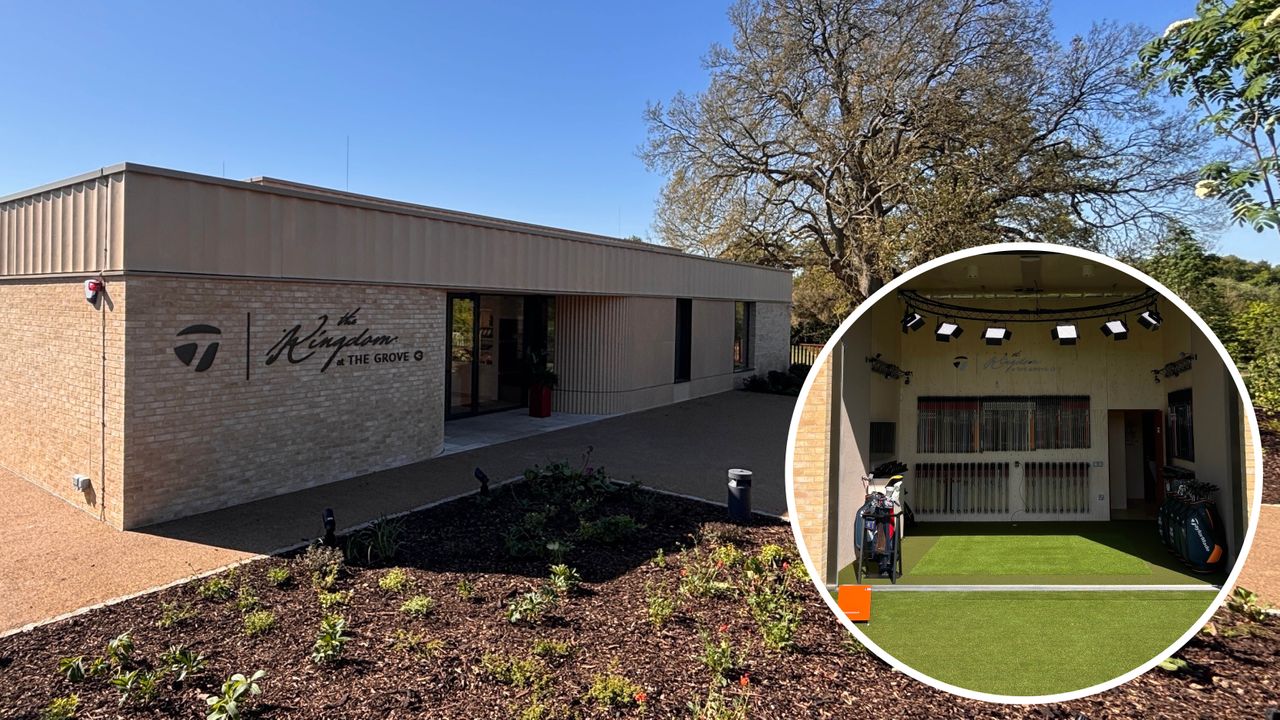
With a more informed approach to equipment in youth golf, we can look forward to a new generation of players who are better equipped to grow their game. Upcoming junior tournaments, summer camps, and training clinics should focus on encouraging the right fittings for every participant. Moreover, fitting workshops, often held by local golf clubs, may soon become a staple in programs seeking to nurture young talent. As we move further into 2024, expect an increasing number of golf professionals to deliver awareness campaigns about the importance of proper gear fitting. The goal should not just be play improvement but fostering a loving relationship with the sport itself.

/https%3A%2F%2Fcdn.pijper.io%2F2026%2F06%2FRkUgIHk3UBT3tw1781080975.jpg)