

The beginner's guide to golf equipment: what you actually need and what can wait
Starting golf doesn't require a second mortgage. Here's an honest breakdown of the clubs, gear, and budget you really need to get on the course.

Forget the full bag — start with what matters
Walk into any golf retail shop as a beginner and you'll be confronted with walls of gleaming titanium, endless shaft options, and price tags that could fund a modest vacation. The golf equipment industry is extraordinarily good at convincing newcomers they need fourteen perfectly matched clubs, a laser rangefinder, and a bag that costs more than their first car. They don't.
The truth is that most beginners would play better golf with fewer clubs, a basic understanding of what each one does, and the confidence that comes from not having spent their entire budget before hitting a single ball. This guide is designed to cut through the marketing noise and help you build a sensible starter setup without emptying your bank account.
The clubs you actually need on day one
A full set of golf clubs includes fourteen pieces, but a beginner genuinely needs about half that number. Here's what belongs in your bag from the start and why.
A driver
You need something to hit off the tee on par fours and par fives. Modern drivers are remarkably forgiving compared to models from even a decade ago. Look for a driver with at least 460cc of head volume and between 10.5 and 12 degrees of loft. Higher loft helps beginners get the ball airborne more consistently, which is far more valuable than chasing a few extra metres of distance with a lower-lofted head.
A fairway wood or hybrid
A 5-wood or a 4-hybrid will cover your long approach shots and give you an alternative off the tee on tighter holes. Hybrids are generally easier to hit than long irons or fairway woods for newer players because of their compact head shape and lower centre of gravity. If you can only pick one long club besides your driver, make it a hybrid in the 22 to 25 degree loft range.
A set of irons: 7 through pitching wedge
Four irons is plenty to start. A 7-iron, 8-iron, 9-iron, and pitching wedge will cover distances from roughly 120 to 170 yards depending on your swing speed. Cavity-back irons with wider soles and larger sweet spots are the clear choice for beginners over blade-style irons, which punish off-centre strikes severely.
A sand wedge
A dedicated sand wedge with 54 to 56 degrees of loft will get you out of bunkers and handle those delicate shots around the green where your pitching wedge doesn't have enough loft. This is one club beginners often skip and then regret the moment they land in their first greenside bunker.
A putter
The putter accounts for more strokes per round than any other single club in your bag. Fortunately, putters don't need to be expensive to work well. Find one that feels comfortable at address and rolls the ball where you're aiming. Mallet-style putters with alignment aids tend to be more forgiving than traditional blade putters for newer players.
What you can add later
Once you've been playing for a few months and your swing starts to stabilise, you can fill in the gaps. A 6-iron, a 5-iron or additional hybrid, a gap wedge for those awkward in-between distances, and a lob wedge for specialised short game shots are all worthy additions. But adding clubs too early just creates confusion — it's hard enough learning to hit seven clubs consistently without throwing fourteen options at your brain simultaneously.
Used vs new: the honest comparison
The secondhand golf equipment market is one of the best-kept secrets in the sport. Clubs that retailed for hundreds of dollars two or three years ago can often be found in excellent condition for a third of that price. Golf technology improves incrementally from year to year, and the performance difference between a current model and one from two or three seasons ago is negligible for a beginner.
That said, buying used does require some caution. Check the grooves on iron faces for excessive wear, inspect shafts for dents or cracks, and make sure grips aren't slick or hardened. Most pro shops and reputable online resellers grade their used inventory honestly, but it pays to inspect clubs in person when possible.
Complete beginner box sets — those all-in-one packages from well-known brands — represent another solid option. These typically run between 300 and 500 dollars for a full set with bag included. The individual components won't match the quality of premium standalone clubs, but they're perfectly adequate for your first year of golf and save you the hassle of piecing together a set.
Does fitting matter for beginners?
Club fitting gets talked about as though it's essential from day one. The reality is more nuanced. A professional fitting is most valuable when your swing is at least somewhat repeatable, because the fitter needs consistent data to make accurate recommendations. If your swing changes dramatically from shot to shot — which is entirely normal for beginners — a fitting may not produce meaningful results.
What does matter from the start is basic club length. If you're significantly taller or shorter than average, standard-length clubs may feel uncomfortable and force you into compensating positions that hurt your development. Most shops can check this with a simple wrist-to-floor measurement, and adjustments are inexpensive. Beyond length, save the full custom fitting for after your first season when your swing has had time to develop its own tendencies.
Essential accessories worth buying
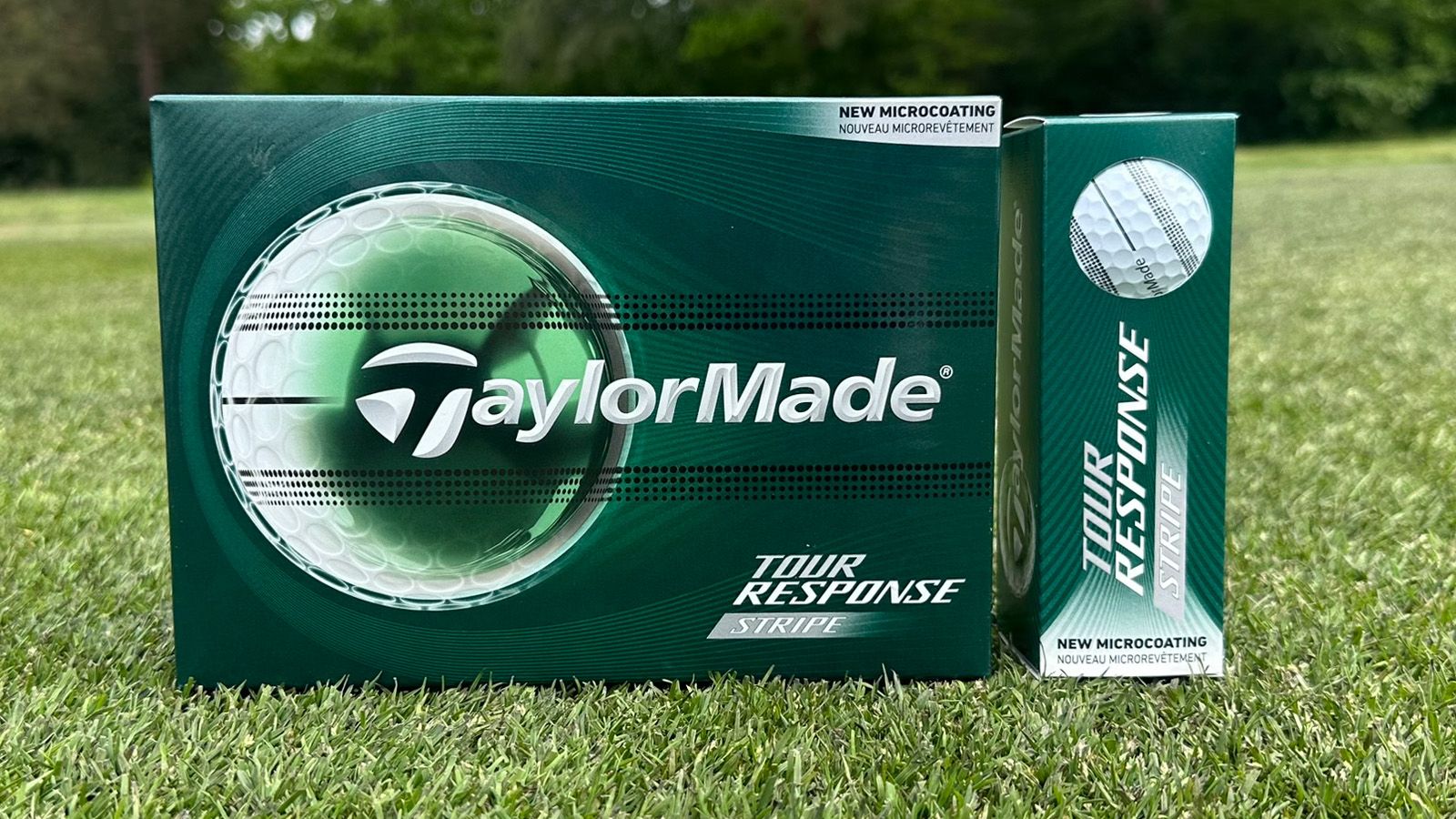
Beyond clubs, a few accessories genuinely earn their place in your bag. A decent golf glove in your lead hand improves grip security in all weather and costs under fifteen dollars. Buy two so you always have a dry backup. Tees and ball markers are obvious necessities. For balls, start with budget-friendly two-piece options rather than premium tour balls — you're going to lose plenty of them in water hazards and thick rough, and there's no reason those should be four-dollar balls.
A lightweight stand bag with comfortable straps makes walking the course far more pleasant than dragging a heavy cart bag. If you plan to walk regularly, which is excellent exercise and genuinely the most enjoyable way to experience a golf course, invest in a bag that carries well.
A basic divot repair tool and a towel clipped to your bag round out the essentials. These cost almost nothing and demonstrate course etiquette that other players and greenkeepers will appreciate.
Realistic budget ranges
Here's what you can expect to spend depending on your approach.
The budget-conscious starter: 150 to 300 dollars
Buy a quality used half set — driver, hybrid, 7-iron through pitching wedge, sand wedge, and putter — from a reputable reseller or pro shop clearance section. Add a glove, some budget balls, tees, and a basic bag. This gets you on the course with perfectly functional equipment.
The mid-range approach: 300 to 600 dollars
A complete beginner box set from a recognised brand, or a curated used set of name-brand clubs from the last three to five years. Budget for a proper bag, a couple of gloves, and a sleeve or two of decent balls.
The comfortable investment: 600 to 1,000 dollars
Newer used or discounted new clubs from premium brands, a quality stand bag, and all the accessories you need. At this level you're getting equipment that will serve you well for several years without needing upgrades.
Spending more than a thousand dollars before you know whether you'll stick with the game is, frankly, unnecessary. The clubs don't make the golfer — practice, patience, and a few lessons do far more for your score than an extra five hundred dollars in your bag.
The bottom line
Starting golf should feel exciting, not financially stressful. A smart beginner setup prioritises forgiveness over prestige, function over flash, and leaves room in the budget for the thing that actually improves your game fastest: time on the course and a lesson or two with a qualified instructor. Buy what you need, play with it until your game tells you what's missing, and fill the gaps as you go. That's not just the affordable approach — it's the smart one.

/https%3A%2F%2Fcdn.pijper.io%2F2026%2F09%2FPyGroYEPReCO2P1789473689.jpg)
