Intro paragraph
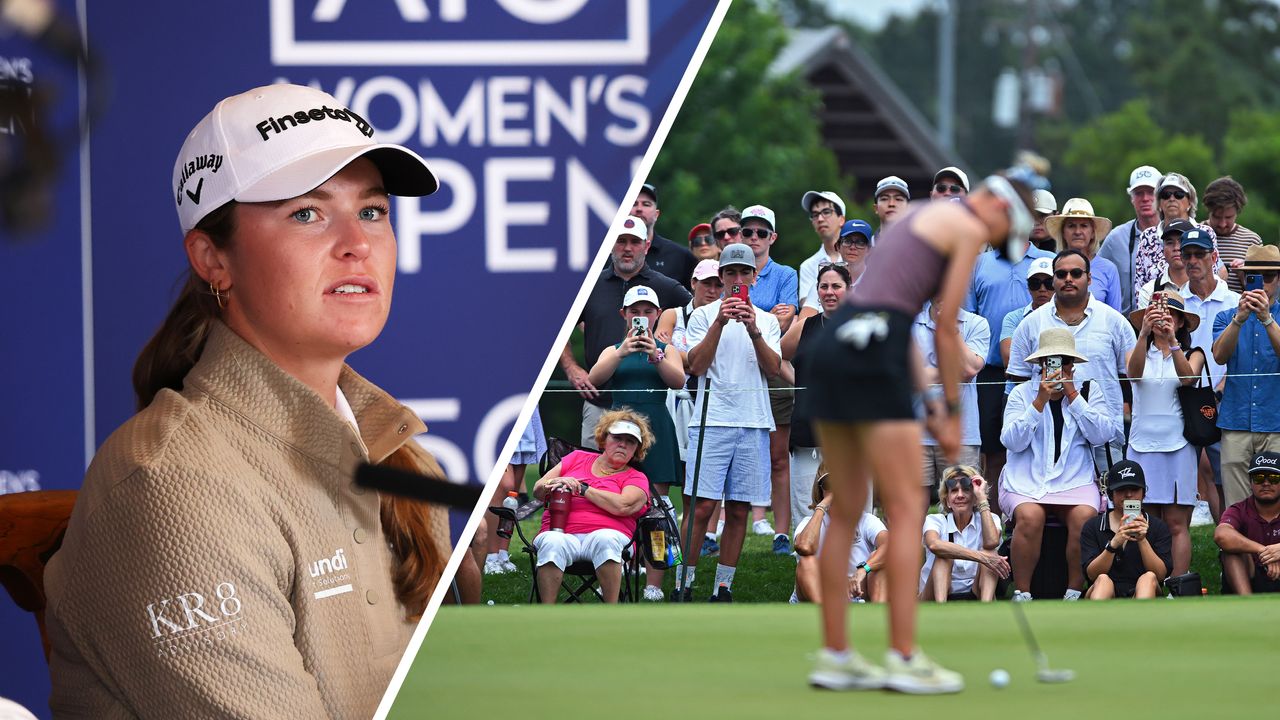
Last week marked the official kickoff of the women’s major golf season with the Chevron Championship hosted at Memorial Park Golf Course in Houston. However, the expected excitement was dampened by a disappointing turnout, raising questions about the future of women’s golf events and the need for stronger promotional efforts.
Key takeaways
- Mimi Rhodes lamented the low spectator turnout at the Chevron Championship.
- The event was the first major tournament for women in the golf calendar year.
- Rhodes emphasized the need for improved promotion to draw crowds.
- Attendees noted a lack of fan engagement and opportunities at the event.
- This situation highlights ongoing challenges in popularizing women’s golf.
Context and background
Women’s golf has long battled for visibility within the broader sports landscape. Although events like the U.S. Women’s Open and the Women’s British Open have captured a larger share of the audience’s attention, the Chevron Championship, categorized as a major, did not meet the anticipated spectator turnout. On the contrary, major men’s events, especially the Masters Tournament, continuously achieve staggering attendance figures; the most recent iteration welcomed over 50,000 fans each day.
This disparity in attendance illustrates an ongoing challenge for women’s golf. While both the Women’s PGA Championship and the Evian Championship struggle to match this level of interest, the Chevron Championship’s low turnout now serves as a glaring reminder that the promotion and engagement levels for women’s tournaments require immediate improvement.
Need for action: Promoting women’s golf
The Chevron Championship underscored the struggle that continues within women’s golf to captivate crowds. Professional golfer Mimi Rhodes voiced her disappointment about the situation, describing the low attendance as “a shame” and stressing the necessity of building excitement around women’s competitions.
"I think it’s really disappointing to see so few fans. We pour our hearts into these competitions, and it feels like so much more can be done to get people excited about them."
— Mimi Rhodes
Rhodes’ frustrations echo sentiments that are shared among her peers on tour. They point out that greater effort is needed in marketing strategies, community partnerships, and other avenues to elevate interest in women’s events. She noted that even though organizers often utilize social media and outreach initiatives, it appears the results at the Chevron Championship were insufficient.
"We work hard. We want to show the world that women’s golf is just as exciting. The fans showed up for us, and it’s disappointing when the numbers don’t reflect that."
— Mimi Rhodes
What this means for golfers
The diminished turnout at the Chevron Championship serves as a critical lesson for both tournament organizers and aspiring golfers. It highlights the importance of building a vibrant atmosphere surrounding women’s events through fan engagement. For avid golf enthusiasts, supporting local women’s tournaments can contribute significantly to expanding the reach of women’s golf while simultaneously kindling passion for the sport.
Moreover, potential spectators should invest time in learning the stories and backgrounds of women golfers. As audiences develop a deeper understanding of the athletes’ journeys, it is anticipated that a devoted fan base will emerge, fostering an environment where women’s golf can thrive.
What's next
The path forward for future women’s tournaments carries a vital need to adopt and implement significant lessons gleaned from the Chevron Championship experience. A vital aspect of this future involves more robust marketing efforts, event organization, community outreach, and family-friendly offerings to encourage broader attendance. Major upcoming events, including the U.S. Women’s Open and the Women’s British Open, will have a pivotal role in shaping the future of women’s golf attendance.
Furthermore, as the women’s game continues to progress, the broader golf community must look toward enhancing broadcasting access and sponsorship opportunities - these are essential for raising the profile of women’s tournaments. All eyes will be on how women’s golf can evolve from this juncture, ensuring that each major event resonates with a significantly wider audience.