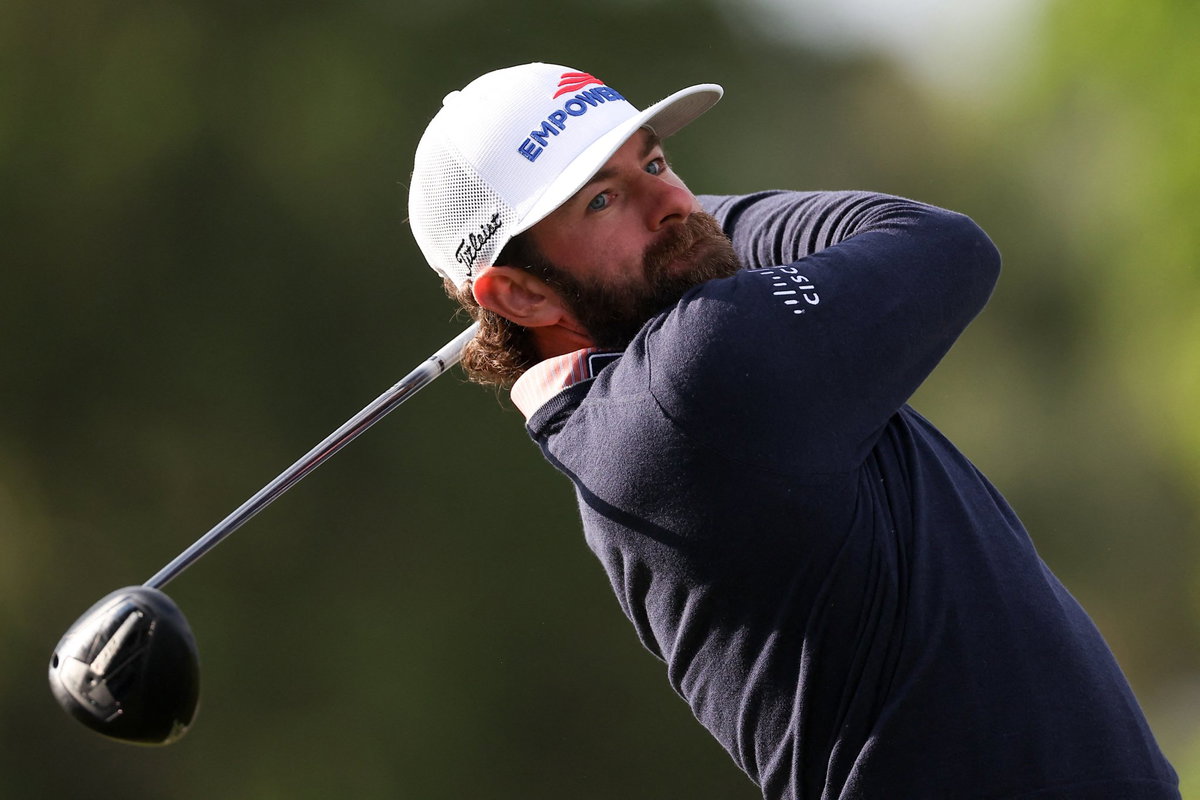


Intro paragraph
The ongoing debate about distance in professional golf has reached new heights as we delve into the statistics regarding PGA Tour players' performance in 2023. They are pushing the limits of speed and distance, but is this merely a continuation of the trend, or have we finally reached a peak? Analyzing the current numbers offers a compelling glimpse into whether distance truly remains king on the tour.
Key takeaways
- Driving distances on the PGA Tour have increased significantly since the early 2000s.
- 2023 shows a slight uptick in average driving distance, suggesting equipment advancements still play a vital role.
- Despite longer drives, tour players are also exhibiting improved accuracy, indicating enhanced performance across the board.
- Debate about distance regulations continues, with discussions on the potential for uniform equipment standards across the sport.
- Player adaptations to new technology are redefining the landscape of competitive golf.
Context and background
Distance has historically been a focal point in professional golf, especially since the introduction of advanced technology and modern engineering in club and ball design. Back in the early 2000s, average driving distances hovered around 280 yards. Fast forward to today, and this figure has significantly crept upwards, often surpassing the 300-yard mark.
The emergence of equipment innovations, such as adjustable drivers and high-performance golf balls, has arguably played a crucial role in this evolution. The perceived limitations of distance were solidified during the 2019 US Open, where players like Gary Woodland showcased their ability to consistently drive the ball over 300 yards. This dramatic shift led to calls from various stakeholders to consider imposing restrictions on equipment, fearing that the integrity of the game was under threat.
Are players breaking records or just marketing hype?
Fast forward to 2023, and the debate surrounding distance persists. Recent statistical analysis reveals that while many players are indeed longer off the tee, the average driving distance across the PGA Tour has recorded a slight increase. The latest reports indicate that players are averaging about 298.5 yards in their drives this year, which echoes sentiments that the advancements in both driver technology and golf ball aerodynamics are still making a substantial impact.
Statistically, many top players are demonstrating their ability to combine distance with precision. Despite the constant push for longer drives, the correlation between distance and accuracy has started to blur. Data shows that elite players are successfully hitting fairways more often this year than in previous seasons. This ability to maintain accuracy, despite increased distance, is indicative of refined techniques and the proper adaptation to new equipment. Players like Rory McIlroy, who has recorded average driving distances nearing 320 yards in tournaments, exemplify this trend effectively.
Furthermore, comparing the statistics against historical records shows that driving distance in 2023 is not a mere fluke; it reflects a consistent and gradual trend toward longer play. This evolution is bolstered by an influx of data analytics and personalized coaching that have empowered players to optimize their game in unprecedented ways.
In their own words
"This year, I feel like I’m hitting my driver more consistently than ever, and the distance is definitely a contributing factor to my success on the PGA Tour."
— Rory McIlroy
"As a player, adapting to the latest technology in equipment has been critical. I believe every edge counts, especially when it comes to distance,"
— Brooks Koepka
"The discussions around distance seem to increase every year, but from my perspective, it’s all about making the game better for the fans while retaining its essence."
— Phil Mickelson
What this means for golfers
The implications of these advancements extend beyond the professional realm to recreational golfers. As golfers of all skill levels consider their equipment purchases, understanding the relationship between technology and performance becomes crucial. Manufacturers are racing to innovate offerings that will help amateur players increase their distance without compromising on accuracy.
For those looking to maximize their game, it may be beneficial to invest in a driver that optimizes ball speed and reduces spin. Visiting a fitter who uses trackman technology can provide a wealth of information regarding swing dynamics and assist with choosing equipment that suits individual playing styles, resulting in longer and more accurate drives. Additionally, understanding swing mechanics is paramount; golfers can improve distance relative to their swing speed through specific training regimens.
What's next
As the 2023 season continues to unfold, all eyes will be on the upcoming tournaments to see how players adapt and elevate their performances under the pressure of competition. The ongoing discussions about regulation and distance continue to evolve; with further inquiries from golf organizations like the USGA regarding equipment standards on the horizon, fans and players alike are in for an intriguing season ahead. Will we see a concerted effort toward a level playing field, or will the momentum continue towards longer distances? The answers lie just around the corner.