Key takeaways
- The shape of a driver can significantly alter a player's swing dynamics.
- Drivers with different shapes can influence ball trajectory, spin rate, and distance.
- Understanding driver design can help players customize their equipment for better performance.
- Professional insights highlight the importance of fitting and individual player's swing style.
Context and background
The world of golfing equipment has evolved tremendously over the years, with drivers leading the way as one of the most crucial clubs in any golfer’s arsenal. Initially designed purely for distance, modern drivers now incorporate technology that changes their shape, weight distribution, and materials, which in turn influences a player's swing mechanics and approach. For example, the introduction of larger clubheads and adjustable hosels has allowed for greater personalization to suit various swing types.
According to industry statistics, today's drivers can range in shape from traditional pear-like designs to more contemporary shapes that focus on forgiveness and aerodynamics. A 2022 study found that golfers with appropriately fitted drivers could gain an average of 10 to 15 yards more distance when their swing and equipment complemented one another effectively. A tailored approach not only boosts distance but can also optimize accuracy, making the discussion of driver shape a pertinent topic for recreational players and professionals alike.
How driver shape affects swings and performance
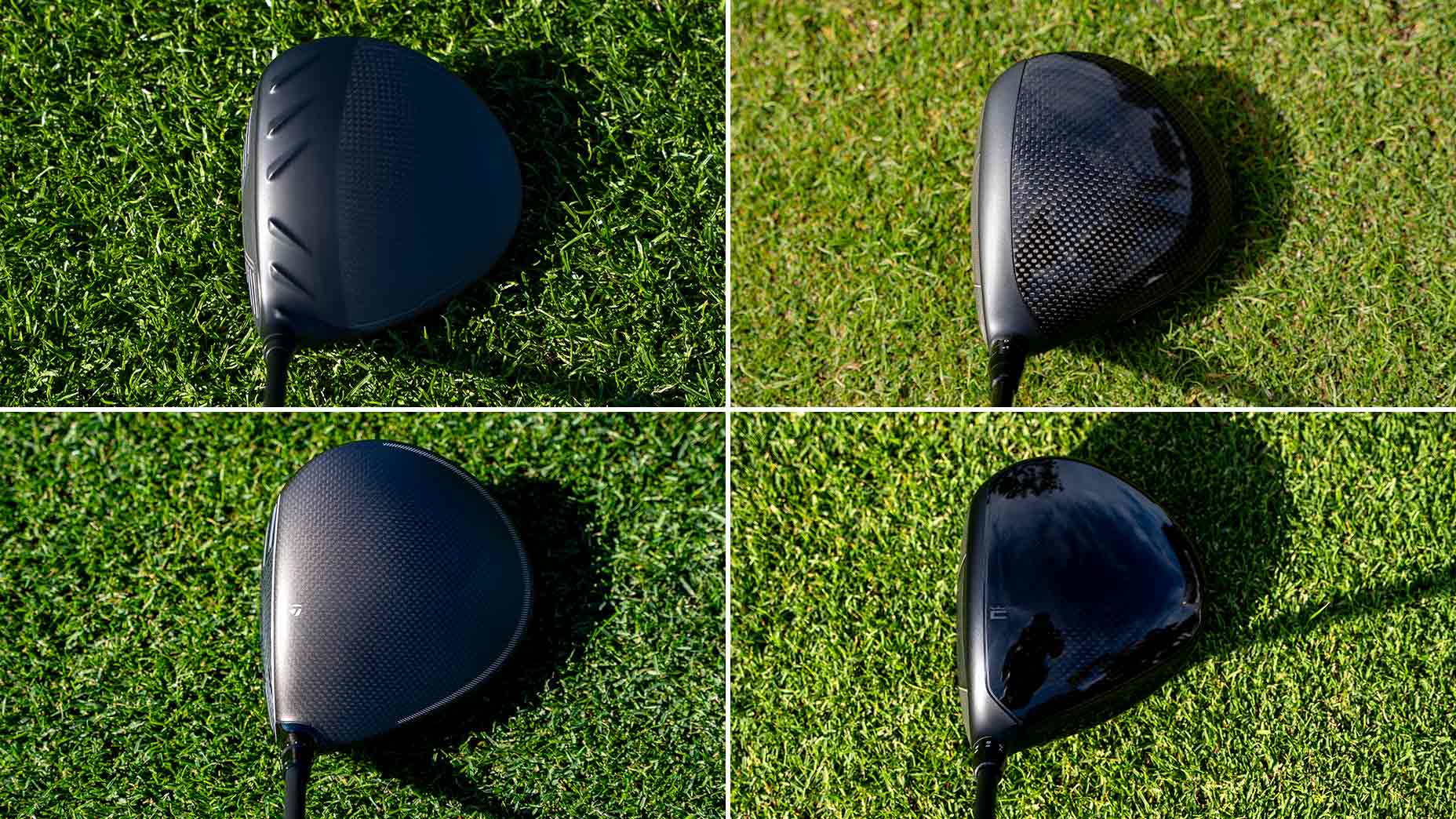
On the recent episode of GOLF's Fully Equipped, hosts Johnny and Jake delved deep into how the shape of a driver can dramatically influence a player's swing. They emphasized that the geometry of the club’s head is more than a mere aesthetic choice; it plays a vital role in determining how the club interacts with the ball upon impact.
For instance, drivers designed with a larger face area can lower the center of gravity, which helps in achieving higher launch angles with reduced spin rates. This can be particularly beneficial for players with faster swing speeds, as they can take advantage of these properties for longer drives.
In contrast, a more compact driver may better cater to players who prefer a more centralized impact. These golfers often have a natural tendency to swing with less movement, seeking precision over sheer distance. The angle of the clubhead can also affect the angle of attack - a driver with a more tapered shape can encourage a shallower swing plane.
Data collected from session feedback highlights that golfers who experiment with driver shapes often report a better feel and improved swing consistency. Figures indicate that players who utilized drivers correctly fitted to their swing type increased their fairway accuracy by over 20% compared to those using generic models.
In their own words
"When selecting a driver, it’s essential to consider not just the size but the overall shape. It can fundamentally impact your swing and how you ultimately score on the course."
— Johnny, Fully Equipped Host
"The right driver shape can help release your true potential as a golfer. Many overlook this crucial detail, but it can be the difference on a tight fairway or an open space."
— Jake, Fully Equipped Host
What this means for golfers
For recreational golfers, understanding how driver shape impacts their swing offers a significant advantage. Prioritizing a proper club fitting and experimenting with various shapes can lead to noticeable improvements in both accuracy and distance. As players gear up for a game, they should consider trying different drivers at their local pro shops, assessing how various shapes feel in their hands and the resulting ball flight.
Moreover, lessons from professional insights suggest that players could benefit greatly by adjusting their swings to suit their chosen driver. Practicing with a driver that complements swing style not only improves performance on the course but can also enhance overall confidence.
What's next
As the golf season unfolds, more equipment reviews focusing on driver shapes and their impact on swings will be essential for players aiming to improve their game. Upcoming tournaments will likely showcase how different professionals adapt their game based on driver technology, potentially setting trends for optimal equipment use. With advances in golf technology, continued innovation will provide players with the opportunity to refine their swings and boost performance.

/https%3A%2F%2Fcdn.pijper.io%2F2026%2F04%2FBIH9P5k0BQ50on1776666556.jpg)