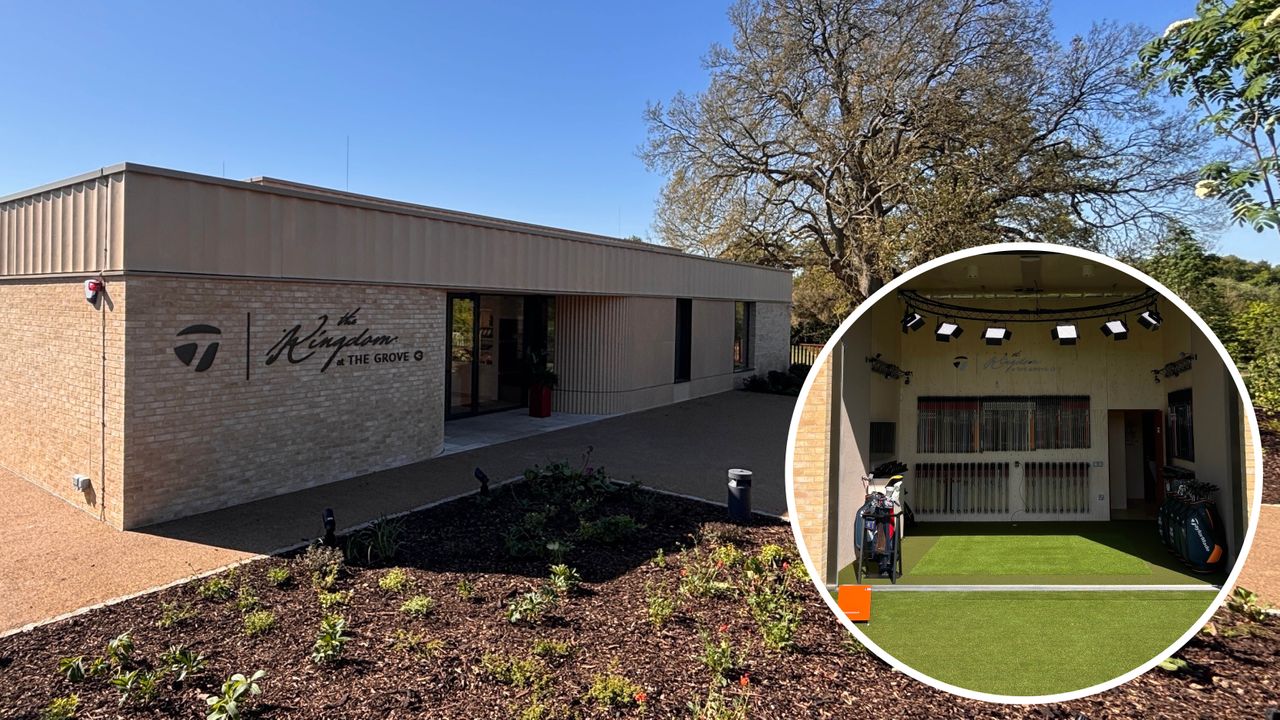


Intro paragraph
In an eye-opening discussion about gender inclusivity in golf, PGA Professional Katie Dawkins has raised concerns regarding the design of golf courses and how they affect women's game experiences. With her ability to drive the ball up to 240 yards, Dawkins argues that many courses still fall short in offering a fair and enjoyable experience for female golfers, showcasing a systemic issue that needs urgent attention.
Key takeaways
- Katie Dawkins highlights significant design flaws in golf courses that disproportionately affect women.
- Many courses make the game more challenging for women, undermining their enjoyment and competitiveness.
- There is an ongoing need for courses to reconsider length and hazards to make the game enjoyable for all skill levels.
- Advocates call for inclusive designs that focus on fun and fairness in golf.
Context and background
Historically, golf has been a male-dominated sport, which has often reflected in the design of courses. Designed predominantly with male players in mind, many courses place more emphasis on length than on player enjoyment, making them harder for women who may not drive as far. Studies show that women, on average, hit the ball shorter than men, creating a broader gap in the playing field that can lead to frustrations.
Recent statistics show a 20% increase in women playing golf, attributed in part to initiatives aimed at making the game more welcoming. However, persistent design flaws continue to detract from these efforts. Golf professionals and organizations are now recognizing the importance of creating more inclusive layouts that appeal to both genders, especially as women continue to express a growing interest in the game.
Design flaws stealing the joy from golf
Katie Dawkins, while demonstrating impressive driving capabilities with a 240-yard range, laments that many courses still feel like a slog due to their unyielding designs. The challenges faced by women can be attributed not only to uneven distances but also to poorly placed hazards, such as bunkers or water features, which often disproportionately impact female players.
The average golf course length in the United States typically ranges between 6,000 to 7,000 yards, with many set up with men’s tees at a significantly greater distance than their counterparts. While this is conventional, it raises questions about inclusivity. Players like Dawkins are vocal about wanting courses that prioritize enjoyment, rather than simply catering to traditional norms.
Courses designed with a focus on distance can strip players of the strategic elements that the game embodies. Dawkins points out that incorporating more short game zones, approachable par threes, and varied tee placements could elevate the experience significantly for female golfers and make it easier for novice players to grow in their skills without feeling overwhelmed.
In fact, design adjustments focused on creating greater equality could lead to an uptick in female participation, enhance the retention rates of women in the sport, and encourage families to play together—a much-needed shift in golf culture.
In their own words
"It’s disheartening to see how many courses are stripped of enjoyment because of the outdated designs that focus solely on length. Golf needs to be fun for everyone, not just for one demographic."
— Katie Dawkins
"When I play, I want to enjoy my time on the course, but some layouts can make it feel like a chore. We should be seeing golf as a game that invites everyone in to play together."
— Katie Dawkins
What this means for golfers
For recreational female golfers, the insights shared by Dawkins are a call to action to demand better designs from golf course architects and planners. Challenging the status quo means advocating for changes that support recreational play and foster enjoyment rather than simply focusing on distance.
Equally, golfers should consider joining discussions about course management and design decisions in their areas, as these vocalized concerns can lead to positive adjustments. For those looking to invest in new equipment, understanding one’s strengths and weaknesses can also be augmented by practicing on shorter or more strategically designed courses that promote both fun and growth.
What's next
Looking ahead, the golf industry must embrace these conversations about inclusivity and course design. Upcoming educational seminars focused on gender-inclusive design philosophies might provide a platform for golf course directors and architects to innovate. Additionally, golf associations may initiate proactive measures to certify courses that meet standards of inclusivity, promoting greater participation in the women's game.
The voices of individuals like Katie Dawkins will be paramount in driving the necessary changes. As more women step up to the tees and demand equitable playing conditions, the golf community as a whole could experience a renaissance that revitalizes the game and welcomes everyone. Only time will tell if these changes can redefine the golfing experience for future generations.


/https%3A%2F%2Fcdn.pijper.io%2F2026%2F06%2FRkUgIHk3UBT3tw1781080975.jpg)