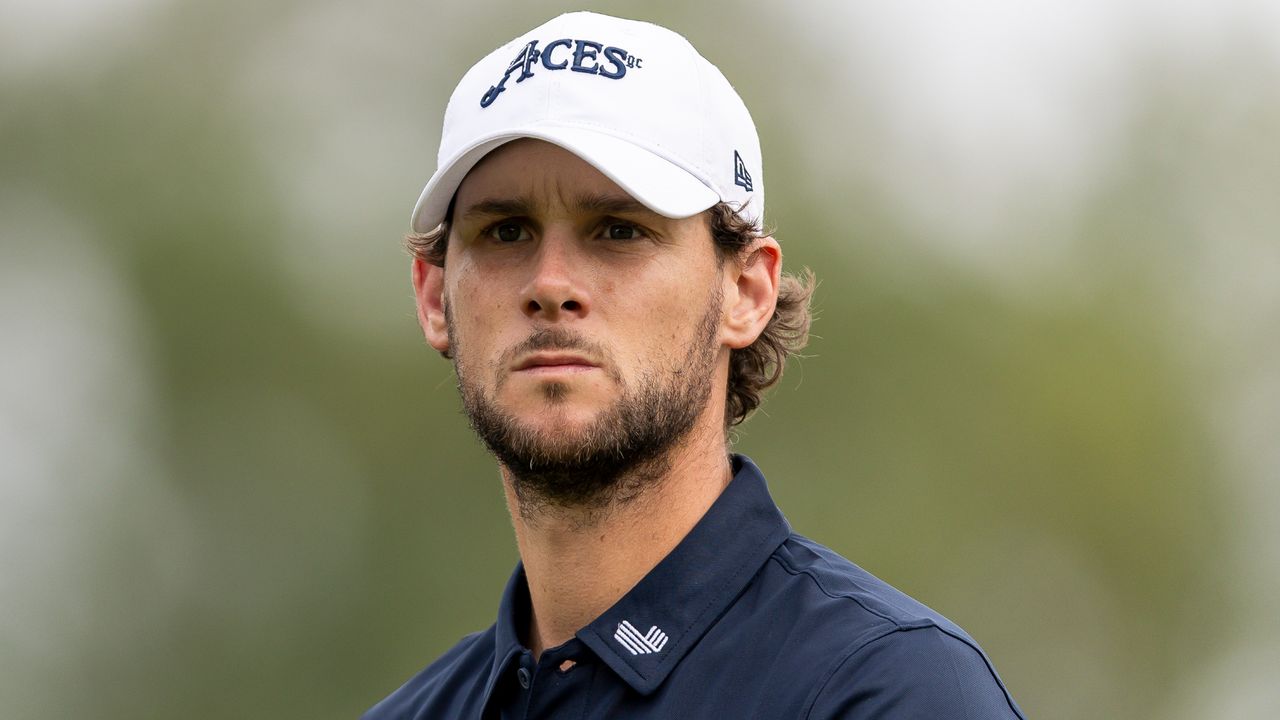
Intro paragraph
Amidst the ongoing whirlwind surrounding LIV Golf, Belgian golfer Thomas Pieters has openly shared his emotional struggles, candidly revealing that he considered retirement when uncertainty about the league's future began to surface. This surprising admission underscores the profound challenges that modern professional golfers face as the dynamics of competitive play continue to shift rapidly.
Key takeaways
- Thomas Pieters expressed feeling 'ready to retire' amidst rumors about LIV Golf's future.
- The Belgian golfer highlighted the mental and emotional toll on players in today’s tournament environment.
- Pieters plays a crucial role in LIV Golf as a member of the 4Aces GC team.
- The ongoing uncertainty regarding LIV Golf's stability poses questions about future tour affiliations.
- Such player sentiments like Pieters' may influence public perceptions and viewing habits in golf.
Context and background
Since its inception in 2022, LIV Golf has been a topic of heated discussion in the golfing world. Founded with backing from the Saudi Arabian Public Investment Fund, the league aimed to disrupt traditional golf circuits by offering substantial financial incentives to attract star players away from established competitions like the PGA Tour. Many athletes reported receiving multi-million deals, elevating the stakes of player affiliations and fan loyalty.
However, as the league navigated its short history, doubts about its long-term viability have lingered. Concerns about maintaining player enthusiasm and audience engagement have arisen, fostering an environment of uncertainty for golfers involved in LIV Golf. Pieters' recent comments reflect a broader sentiment shared by many players who grapple with the pressures of competing in an evolving landscape, where their futures hinge on factors beyond their immediate control.
The pressure cooker: Pieters reflects on his potential retirement
Pieters’ comments expose the psychological pressures that have intensified with the rise of LIV Golf. In a sport that cherishes tradition and legacy, the volatility surrounding the league has forced many players to reconsider their commitment to professional golf. The winning culture fostered by LIV Golf and the high expectations for growth create a challenging environment for players navigating various commitments.
Many experts have noted that contemporary golfers are under immense scrutiny, not only regarding their performances on the course but also concerning their associations with different tours. Pieters’ admission resonates with his peers, revealing an anxiety that stems from competing in a league where uncertainties around finances and player loyalty loom large.
A report from July 2023 indicated that nearly 40% of professional golfers experience heightened psychological pressure, a trend underscored by Pieters’ struggles. It is crucial for leagues to recognize the mental health implications that accompany career uncertainties amid ever-changing tour realities.
In their own words
I was really at a point where I just didn’t know what to do. Thinking of retirement really became an option for me when the rumors started swirling.
— Thomas Pieters
What this means for golfers
The implications of Pieters’ candid disclosure extend beyond his personal considerations, serving as a broader reflection of the potential turmoil within the world of professional sports. For recreational golfers and fans, this news highlights the reality of uncertainty in careers built around competition and public esteem.
This situation also lays bare the need for robust mental health support within professional circles. Pieters’ experience reminds both amateur and professional golfers of the importance of managing their expectations and seeking assistance when faced with pressure that could impact their performances. Recognizing the mental challenges of the game is paramount for fostering a positive golfing experience.
What's next
The future of LIV Golf hangs in the balance. Ongoing rumors point to potential adjustments within the league, while player reactions will undoubtedly influence the nature of fan engagement and expectations surrounding professional golf. As players like Pieters bring their vulnerabilities to light, it becomes increasingly critical for leagues to consider their responsibilities towards athletes, especially regarding mental health support.
Upcoming events may require players to balance their psychological health with the physical rigor of competition. Changes in traditional loyalties and business models could propel golf into a new era full of possibilities, or complicate matters even further. As the dust settles on these transitions, the landscape of golf will continue to evolve, demanding adaptability from both players and their audiences alike.