Intro paragraph
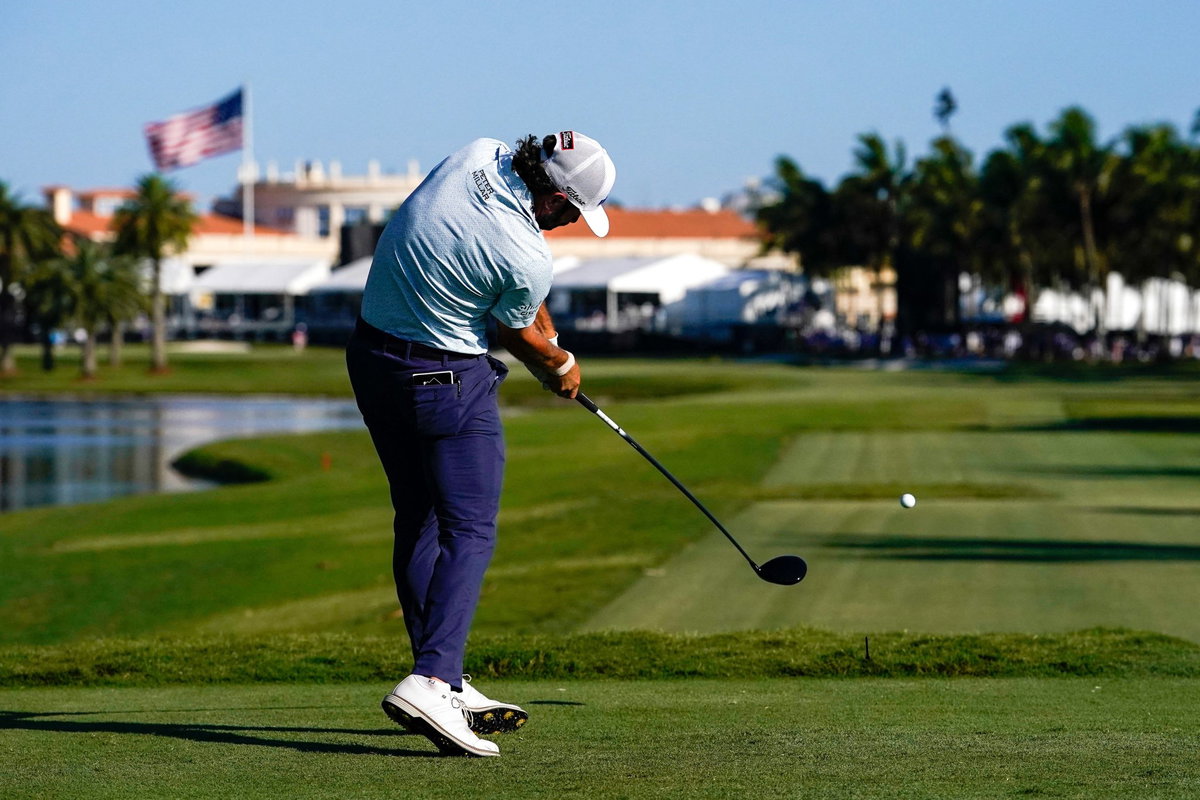
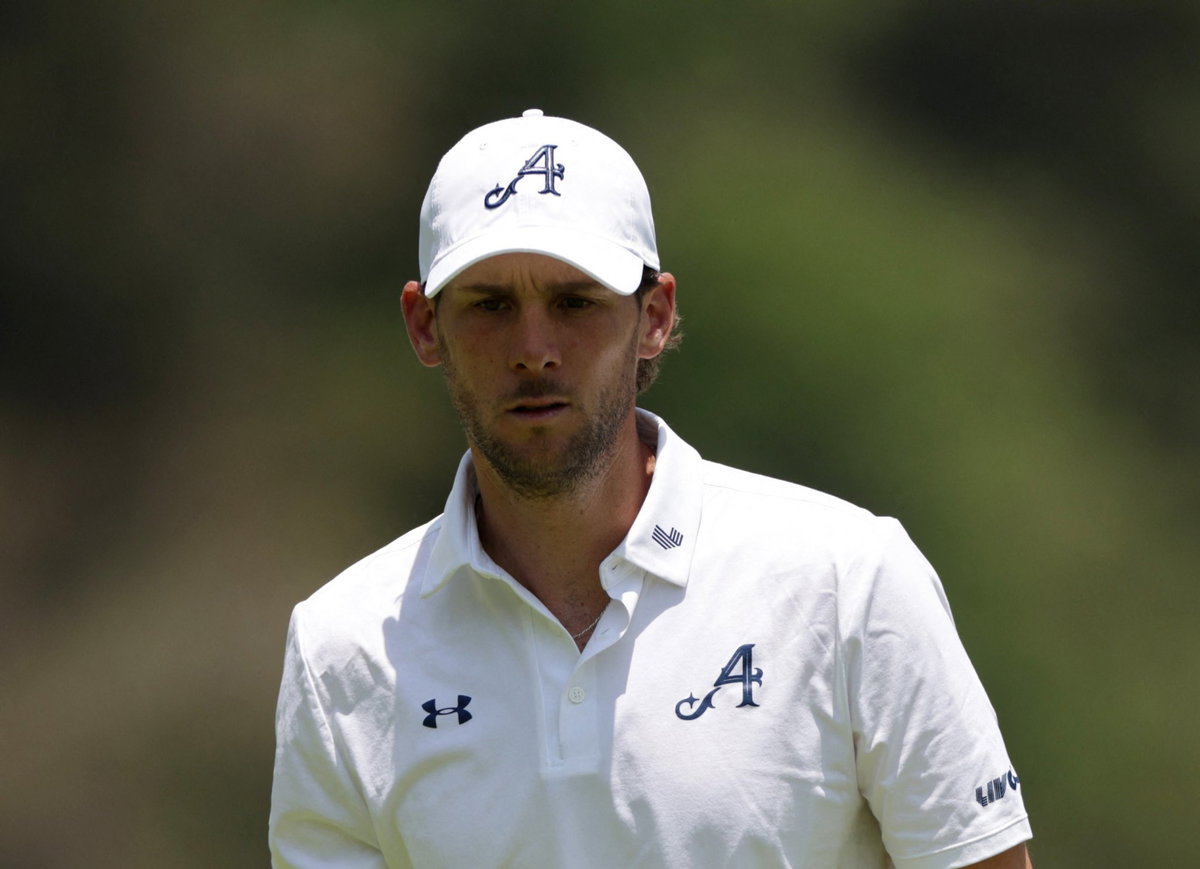
In a captivating declaration reflecting his unwavering commitment, Thomas Pieters has made it clear that he has no intention of returning to the PGA Tour, even amid swirling uncertainties surrounding LIV Golf. His bold statement, 'I'm not fussed about it,' aligns him firmly with the burgeoning league as speculation about its viability intensifies.
Key takeaways
- Thomas Pieters has ruled out a return to the PGA Tour.
- Pieters was prepared to retire if LIV Golf's future was compromised.
- Bryson DeChambeau hinted at a shift to YouTube if LIV Golf fails.
- The survival of LIV Golf remains in question as player sentiments evolve.
Context and background
The landscape of professional golf is undergoing a transformative shift inspired by the emergence of LIV Golf, a league poised to challenge the traditional authority of the PGA Tour. Launched with lavish financial backing, LIV Golf's objective is to attract top talent while redefining the tournament experience by focusing on entertainment factors. The recent revelations about LIV Golf reflect a pivotal period regarding its sustainability and direction.
Historically, the PGA Tour has maintained a stranglehold on golf, with its well-structured events and enduring tradition. However, LIV Golf’s approach, offering staggering prize funds – with some tournaments boasting purses of up to $25 million – has attracted elite players eager for both financial rewards and a competitive platform. As of now, the league has successfully built a roster filled with high-profile names, indicating its potential impact on the sport.
Pieters' pledge amidst uncertain tides
As a significant figure in the LIV community, Thomas Pieters’ commitment to the league epitomizes the shift among professional golfers. His candid comments underscore a willingness to remain loyal, stating that he was even prepared to retire if things went awry within the organization. This mindset illustrates the challenges golfers face as they navigate their careers in an environment marked by rapid change and uncertainty.
Other players share similar sentiments. Bryson DeChambeau, another pivotal name in LIV Golf, has indicated a potential pivot towards content creation should the league falter. “I’ve put a lot of time and energy into making content and sharing my journey on YouTube,” he shared, suggesting that a diversification into media could be a viable alternative for players. This realization emphasizes a broader transition among professional golfers who increasingly leverage their influence in the digital space.
With a changing golf landscape, players' priorities are adapting—focusing on social media engagements, merchandise, and personal branding to ensure continued market relevance. Golfers like Pieters and DeChambeau are encouraging their peers to explore alternative revenue streams, defying traditional notions of a golfer's career path. The pivot to a multifaceted approach signifies a cultural shift within the sport, highlighting the necessity of adaptability in a competitive environment.
In their own words
"I'm not fussed about it. My focus is on LIV Golf and what we're building here."
— Thomas Pieters
"If LIV is done, I’ll probably focus on my YouTube channel a lot more."
— Bryson DeChambeau
What this means for golfers
The ongoing discourse surrounding LIV Golf and the statements made by Pieters and DeChambeau highlight a critical shift that impacts recreational and professional golfers alike. For amateurs, recognizing that top players are diversifying their income represents an invitation to expand their horizons beyond traditional golfing methods. Recreational golfers can draw inspiration from the digital momentum established by these professionals and consider developing their own brand and presence in the sport.
Additionally, the evolving narrative encourages serious golfers to embrace diverse training elements such as coaching, fitness, and mindfulness strategies, akin to practices popularized by LIV players. By fusing their love for the game with personal storytelling through platforms like social media, golfers can etch out their unique identity in a sport that is increasingly embracing new media and marketing avenues.
What's next
The future of LIV Golf teeters between uncertainty and potential revival. Upcoming tournaments will be critical in either solidifying the league's standing or escalating discussions surrounding its hiatus. How players respond to LIV's financial landscape and backing will undoubtedly dictate their ongoing commitments. This makes the forthcoming months not just crucial for individual players but also for the very fabric of professional golf.
Ultimately, the decisions made in this transitional era could reshape the golfing ecosystem, affecting player affiliations and engagements within established tours. As dialogues surrounding LIV Golf evolve, both fans and athletes will remain keenly observant of developments in this gripping saga that promises to redefine professional golfing in poignant ways.