Intro paragraph
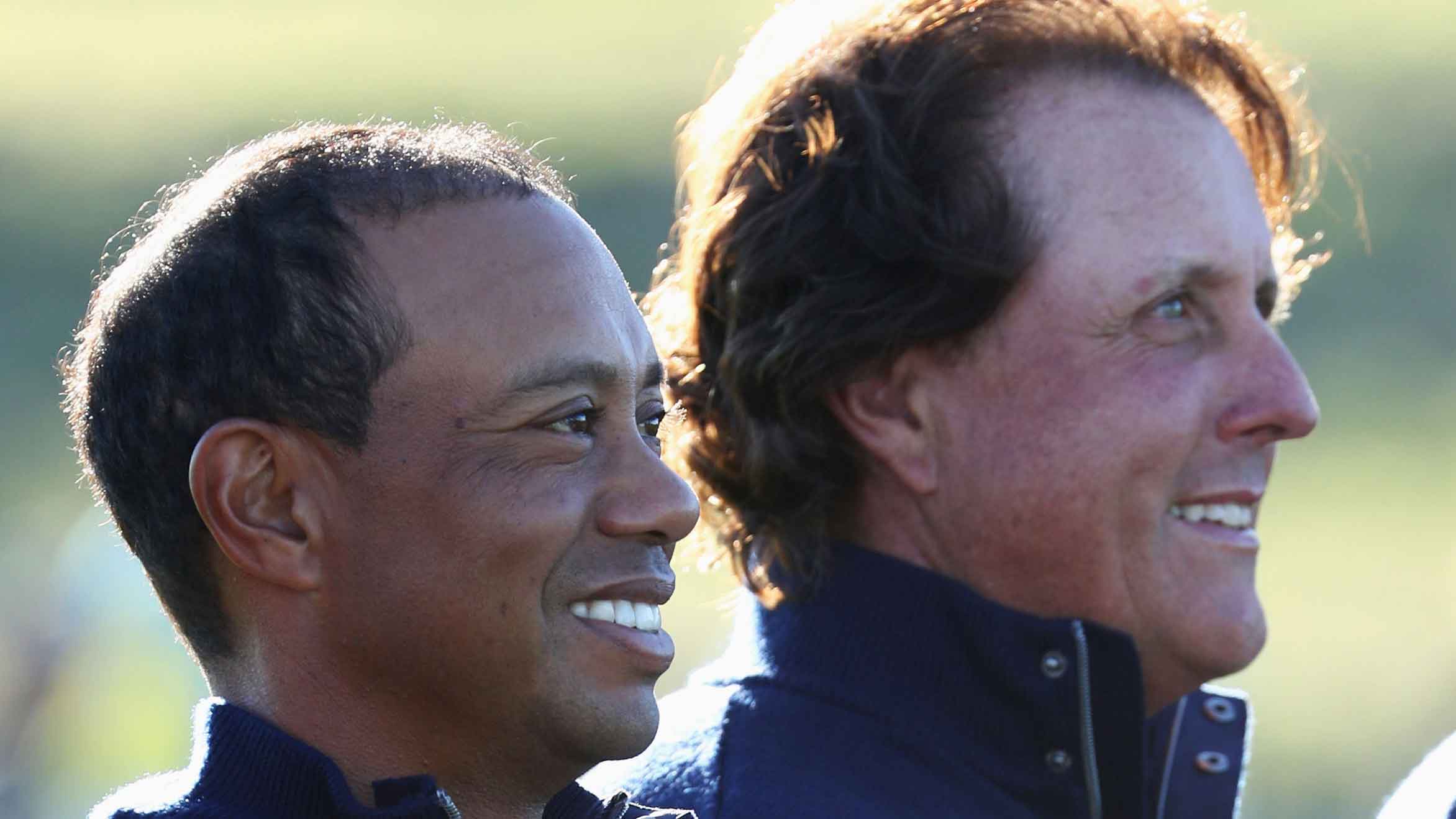
The recent selection of Jim Furyk as the U.S. Ryder Cup captain has sparked significant discussions surrounding the notable exclusions of two golfing legends: Tiger Woods and Phil Mickelson. This decision is not merely administrative; it signifies a pivotal moment in American golf that intertwines legacy, mentorship, and the evolution of competitive spirit.
Key takeaways
- Jim Furyk will serve as the U.S. Ryder Cup captain.
- Tiger Woods and Phil Mickelson will not take on captaincy roles for the tournament.
- This change marks a significant shift in the leadership dynamics of U.S. golf.
- The decision reflects broader trends prioritizing experience and fresh perspectives in team management.
Context and background
The Ryder Cup is a prestigious golf competition held biennially between Europe and the United States. Traditionally, the roles of captains have been filled by some of the sport’s most successful players. Both Woods and Mickelson stand out as significant figures in American golf history. Woods boasts 15 major championships, while Mickelson has captured six. Together, these players have not only influenced tournament wins but have also redefined the game's modern perception and execution.
Their absence from potential captaincy presents a noteworthy generational shift in leadership style. As Jim Furyk takes charge, this transition hints at a strategy to introduce fresh philosophies to a sport steeped in tradition. Golf is continuously evolving, and the integration of these new ideas may serve to invigorate an American team that has repeatedly encountered challenges in recent Ryder Cups.
A transformative moment for U.S. golf
Jim Furyk’s appointment as the U.S. Ryder Cup captain is symbolic of an important shift in direction for the team. With an impressive career comprising 17 PGA Tour victories and a major win at the 2003 U.S. Open, Furyk possesses a wealth of experience as both a player and strategist. His analytical approach to the game makes him a suitable figure for leadership amid changing golf strategies and the rise of technology.
The absence of Woods and Mickelson raises intriguing questions about the future leadership of American golf teams. Both players have extensive participation records in team formats, with Woods playing in ten Ryder Cups and Mickelson in twelve. Their distinctive leadership styles, shaped by fierce competitiveness and individual personalities, could have profoundly impacted team dynamics.
However, the sport's evolution mandates a move towards incorporating contemporary methods in player development and training. Furyk's data-driven philosophy appeals to younger players, many of whom were raised with cutting-edge technology, offering a bridge between the storied legacies of past champions and the aspirations of rising stars.
In their own words
"Bringing in a fresh perspective can sometimes make all the difference. We need to adapt to the ever-changing dynamics of competitive golf."
— Jim Furyk
"It hurts to be sidelined from something as special as the Ryder Cup, but I fully support the decision-makers and hope for their success."
— Tiger Woods
What this means for golfers
This shift in captaincy highlights the dynamic nature of leadership roles in professional sports, drawing important lessons for amateur and recreational golfers. As golf enthusiasts observe how Furyk structures his strategies and promotes team harmony, valuable insights can be extracted to enhance their own gameplay and collaborative efforts.
The iconic statuses of Woods and Mickelson leave a rich legacy, encouraging golfers to grasp the principles underpinning their monumental successes and apply them to their own routines. The process of adapting to new leadership trends while honoring tradition can yield significant benefits on the course.
What's next
Looking ahead, the U.S. team faces considerable challenges as they chart a course without the captaincy of Woods and Mickelson. The upcoming Ryder Cups will pose tests for Furyk's leadership, set against a backdrop of evolving golf culture and changing player expectations. Observers will closely analyze his approach to team assembly and strategy implementation, factoring in how he inspires younger golfers while maintaining the uplifting spirit of the Ryder Cup.
As the tournament draws near, the eyes of the golfing world will be keenly observing to see if a new era in American golf unfolds that could lead the U.S. team back to its former glory in the Ryder Cup.