
Key takeaways
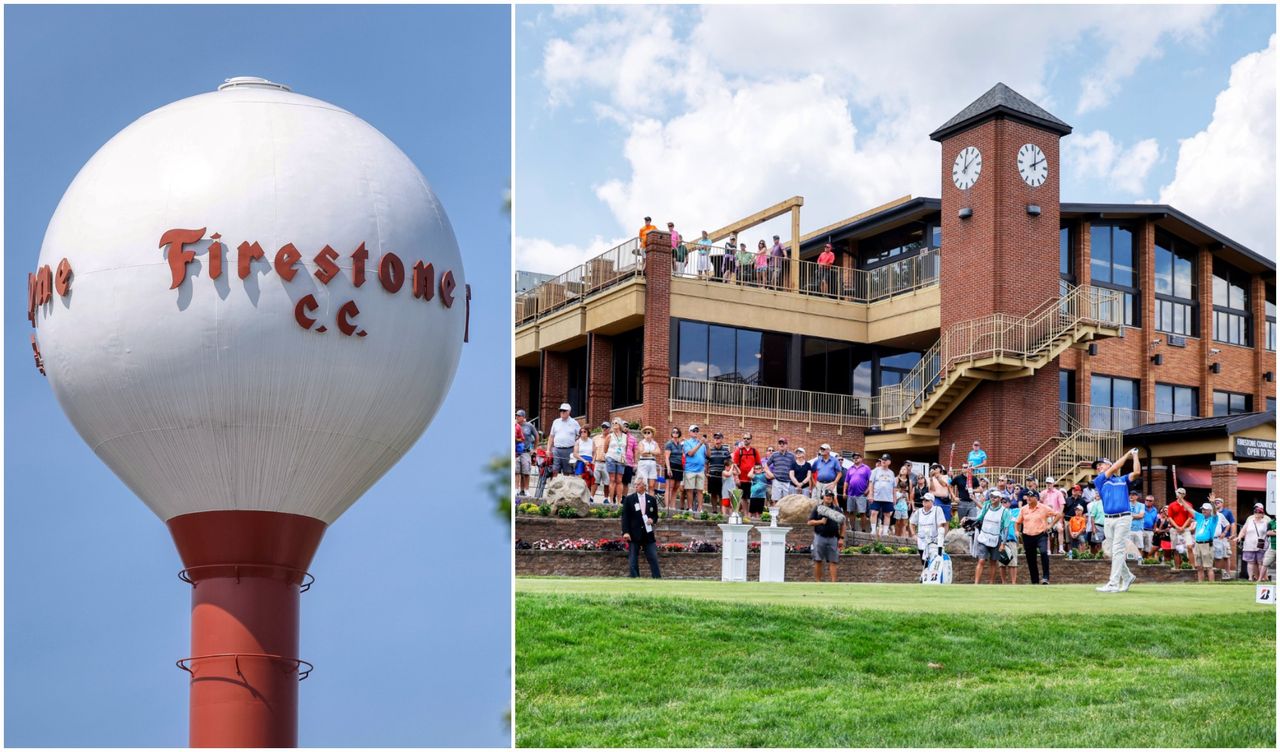
- Firestone Country Club, a historic venue in Akron, Ohio, will no longer host PGA Tour events after 72 years.
- Tiger Woods, a five-time champion at Firestone, often expressed his admiration for the course.
- The decision reflects a shift in the PGA Tour's scheduling and events, moving towards newer venues.
- Firestone has hosted notable tournaments, including the World Golf Championships and several PGA Championships.
- The closure signifies a significant change in the golf landscape, leaving fans nostalgic for its storied past.
Context and background
Established in 1929, Firestone Country Club has been a cornerstone of professional golf in the United States. Over the decades, it has become synonymous with high-stakes competition, hosting some of the most celebrated names in the game. The club, with its beautiful tree-lined fairways and challenging layout, was a frequent stop for top golfers during the PGA Tour.
The course particularly gained prominence after the introduction of the World Golf Championships in 1999, which significantly increased its visibility and prestige. Throughout its history, Firestone played host to the PGA Tour's World Series of Golf and subsequently the WGC-Bridgestone Invitational, drawing fans and talent alike. The course has witnessed numerous dramatic moments, including Tiger Woods' legendary performances.
A legendary venue loses its shine
The announcement that Firestone will lose its PGA Tour hosting duties marks the end of a remarkable 72-year tenure. The final tournament held at Firestone, the WGC-Bridgestone Invitational, was in 2018, solidifying the venue’s reputation for thrilling golf. With Woods earning five titles there, it is no wonder that Firestone holds a special place in the hearts of many golf devotees, especially the players.
Woods often reminisces about his times at Firestone, citing the course's unique characteristics and the emotional resonance it holds for him as a player. He stated, “Firestone has always brought the best out of me and remains one of my favorite places to play.” This sentiment resonates with fans who witnessed his commanding performances, including a stunning 61 in the final round in 2013. His accomplishments at Firestone solidified his legacy at the venue, transforming it into a pilgrimage site for many golf enthusiasts.
However, as the PGA Tour continues to evolve, it has opted to diversify its venues and offer fresh experiences for fans. The growing shift towards cities such as Memphis or Dallas reflects this strategy where the Tour aims to explore new markets and capitalize on emerging demographics.
In their own words
“Firestone has always brought the best out of me and remains one of my favorite places to play.”
— Tiger Woods
“While we are sad to see Firestone no longer on the schedule, we are eager to embrace new opportunities with different venues.”
— PGA Tour Official
What this means for golfers
The loss of Firestone from the PGA Tour calendar signals a shift in how professional golf is being strategized and marketed. Though recreational golfers might feel disconnected from this decision, it serves as a reminder of the fluidity within the sport and the necessity for venues to adapt to the ever-changing preferences of fans and players. For those looking at courses to visit or play on, it may be worth seeking out other classic courses that still hold prestigious events or have rich histories themselves.
Equipment manufacturers might also take note; as the focus transitions, it allows for opportunities to highlight innovations that resonate with today’s golfers, encouraging regular players to explore how new products can elevate their experience on the course.
What's next
Looking ahead, the PGA Tour is anticipated to unveil a refined schedule that aims to captivate fans while also promoting growth across new venues. While Firestone’s rich history in the professional circuit cannot be understated, this transition represents a chance for fresh narratives to unfold in the sport.
Upcoming tournaments will emphasize innovation, featuring new locales where golfers can make their mark and fans can celebrate their passion. As the golf community enters this new chapter, it is crucial to reflect on the past while embracing the exciting future that lies ahead.


/https%3A%2F%2Fcdn.pijper.io%2F2026%2F06%2FRkUgIHk3UBT3tw1781080975.jpg)