
Intro paragraph
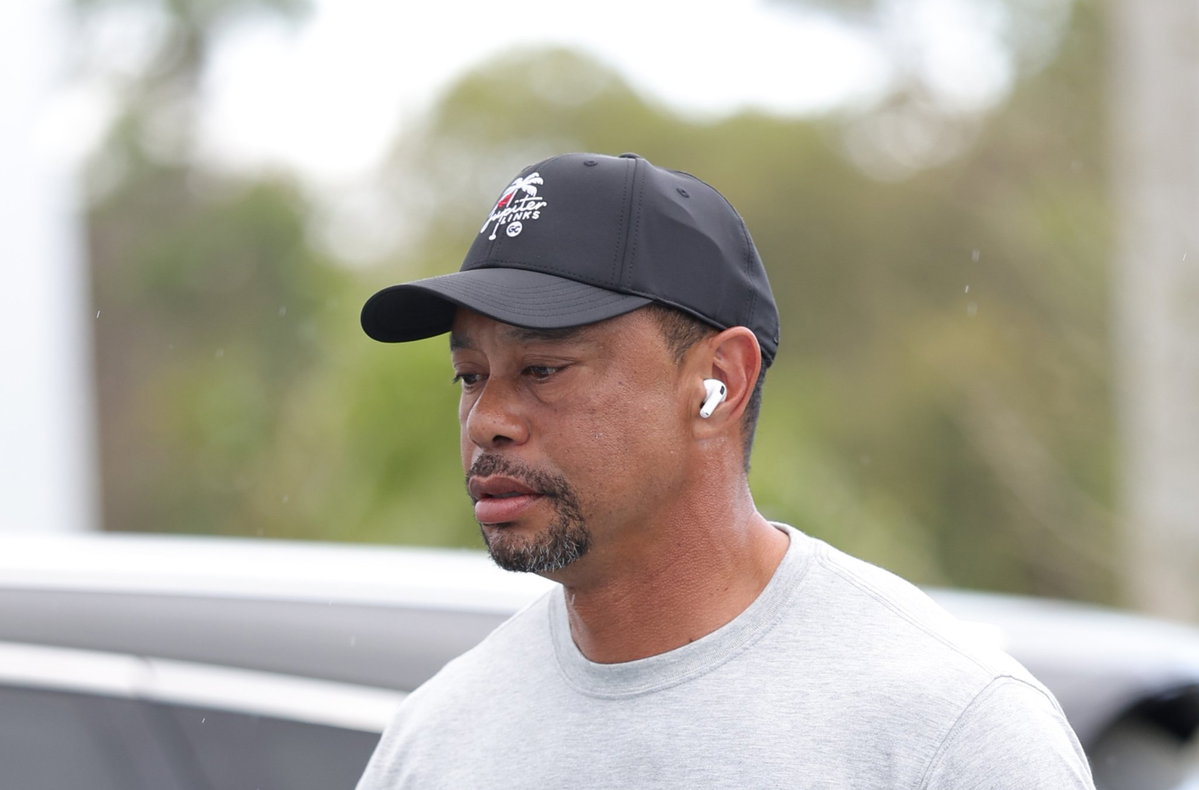
As the golfing world watches with bated breath, Tiger Woods finds himself at another critical juncture in his storied career. The 15-time major champion is currently navigating the treacherous waters of recovery, intensely focused on rehabilitation while the uncertainty of his return to the PGA Tour looms large. Though he remains deeply determined to compete again, Woods understands that health and recovery must take precedence during this challenging phase.
Key takeaways
- Tiger Woods is prioritizing his health and rehabilitation amidst uncertainty.
- He remains determined to return to professional golf despite the challenges he faces.
- Insiders affirm Woods is making the best of his situation in his recovery journey.
Context and background
The saga of Tiger Woods’ health is a complex narrative filled with incredible highs and heartbreaking lows. After experiencing a turbulent period that included personal challenges and injuries, Woods made an inspiring comeback by winning the 2019 Masters—his first major victory in eleven years. However, in early 2021, fate took a turn for the worse when he was involved in a severe car accident that resulted in multiple surgeries on his legs. This incident not only devastated his physical capabilities but also shifted the timeline for his return to competitive golf.
Since then, Woods has been focused on extensive rehabilitation, aiming to restore both mobility and strength. His history is marked by resilience, having overcome prior injuries and personal hurdles, which fuels optimism and hope among fans and analysts regarding his potential return to the sport. Woods is known for achieving significant milestones, including tying the record for the most Masters wins at six and ranking second all-time in major victories, but his recent challenges cast doubt over his future endeavors on the course.
Tiger Woods faces uncertain path ahead
While Tiger Woods’ desire to return to competitive golf is unwavering, the path to achieving this goal is fraught with challenges. The last time he was seen in a competitive setting was at The Masters in 2022, where he valiantly pushed through despite facing significant mobility issues. This brave display exemplified his passion for the sport, though it also highlighted the harsh realities associated with major injuries. Experts emphasize that recovering from such serious injuries is often as much a psychological battle as a physical one, especially for someone who has dominated the sport like Woods.
Current insights indicate a notable shift in Woods’ focus toward both mental and physical health. As he continues to confront the complexities of his recovery, conversations around his potential return continue to evolve. Analysts speculate that, once his health permits, Woods may choose to compete selectively in tournaments rather than attempting to play a full schedule. This strategic approach could allow him to ease back into competitive play, mitigated by the challenges presented by his recovery process.
Statistically, the hurdles before Woods are significant. The average recovery period for athletes returning from serious leg injuries can range anywhere from several months to years, and history shows that few have successfully returned to their previous performance levels following similar setbacks. Hence, Woods’ anticipated comeback will be viewed through a lens that blends hope with skepticism, as fans and observers remain acutely aware of the odds stacked against him.
In their own words
"I am doing the best I can to stay positive and focused on my recovery. My health is absolutely the priority, and I hope to find a way back to the sport that I love."
— Tiger Woods
"Tiger has always been a fighter. Knowing him, he'll do everything necessary to get back to play at the highest level."
— Close insider
What this means for golfers
Tiger Woods’ current situation serves as a poignant reminder for recreational golfers of the paramount importance of health and proper care in the pursuit of sports excellence. Injuries can derail careers and drastically reshape aspirations, highlighting the need for adequate recovery to ensure long-term enjoyment and sustainability in the sport. Many amateur golfers admire Woods’ relentless work ethic; however, this scenario reinforces the value of balancing ambition with caution, enabling sufficient recovery time before returning to play.
From an equipment perspective, as Woods works through his rehabilitation journey, recreational golfers might want to consider the technologies available that support recovery and prevent injuries during play. Increasingly, golfers are opting for equipment solutions designed not only for performance but also for comfort and injury prevention. This trend underscores a growing awareness of personal health among golfers and reflects an evolving approach to the game, with innovative gear and training techniques being at the forefront of injury prevention strategies.
What's next
As Woods continues on his road to recovery, the future remains shrouded in uncertainty. With a variety of important tournaments on the PGA Tour calendar approaching, his potential return—or absence—from these events will undoubtedly impact viewer engagement and the overall landscape of the tour. Events such as the upcoming Masters and U.S. Open may serve as keenly anticipated targets for Woods’ comeback, but insiders caution that the timeline for his participation is still very much in flux.
Ultimately, as we look forward to the coming months, the primary focus must remain on Woods’ health. His journey will undoubtedly be closely scrutinized, and regardless of the outcome, it’s a saga that continues to inspire both fans and participants in the sport. The golf community stands ready, hopeful for a return that not only honors the legacy of a champion but also respectfully navigates the realities that he faces in this unprecedented phase of his career.


/https%3A%2F%2Fcdn.pijper.io%2F2026%2F06%2FRkUgIHk3UBT3tw1781080975.jpg)