
Context and background
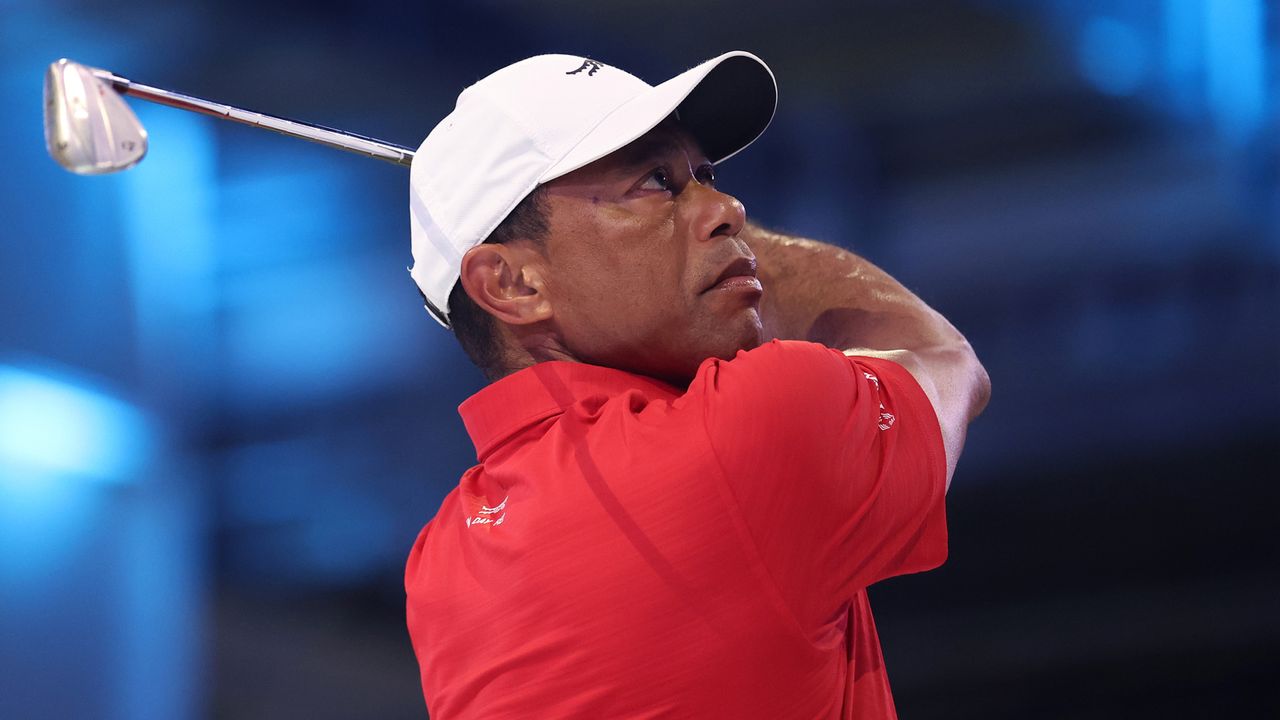
Tiger Woods is more than just a name in the world of golf; he is a cultural phenomenon who has transcended the sport. Over his illustrious career, which spans nearly three decades, Woods has secured 15 major championships, including his remarkable five titles at the Masters. His prowess during the late 1990s and early 2000s not only revolutionized the way the game is played but also significantly boosted its popularity worldwide. However, Woods's journey has been anything but smooth, as personal struggles have frequently cast a shadow over his achievements, drawing public attention away from his golfing excellence.
The past few years have been particularly tumultuous for Woods. In early 2021, he was involved in a severe car accident that resulted in devastating leg injuries, putting his future in professional golf in jeopardy. Despite multiple surgeries and extensive rehabilitation, the path to recovery has not been straightforward. Each step taken has been part of a larger narrative of resilience and determination, creating a palpable anticipation among fans as they await updates on his health and return to the sport.
A new chapter: Woods's rehab journey and return
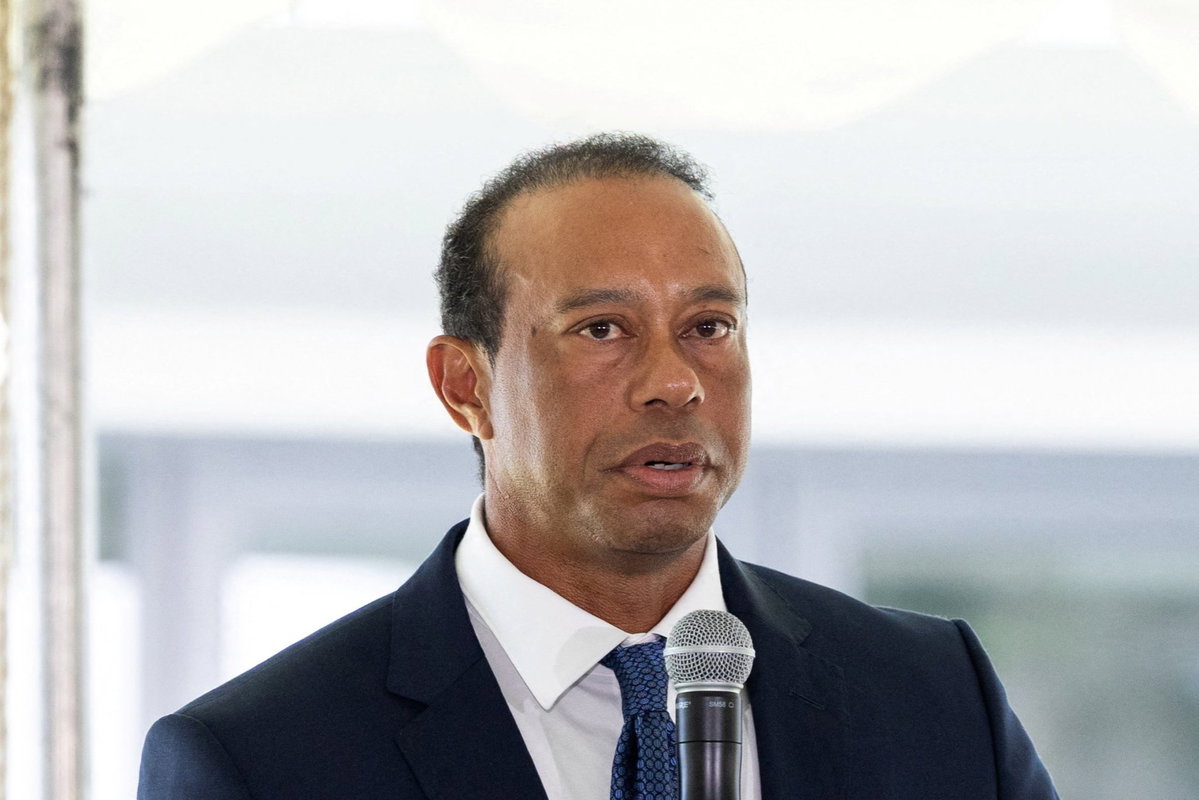
Recently, the golf community welcomed news of Woods's return to the United States following his rehabilitation program at a well-regarded clinic in Switzerland. This facility is known for its comprehensive and holistic treatment approach, focusing not only on physical recovery but also on mental well-being, a crucial aspect of Woods's journey. Completing such a program signals not just a personal milestone for Woods but also the potential re-emergence of a golf icon trying to reclaim his place in a sport that has missed his presence.
Woods's successful stint in rehab comes at a pivotal time. As he integrates back into daily life and grapples with his aspirations for competitive play, Woods represents the spirit of perseverance that characterizes elite athletes. Despite being 47 years old, his mental toughness and passion for golf remain undeniable. Fans and experts alike are abuzz with speculation about what his future holds as he embarks on this new chapter. Will Woods return to the PGA Tour? Can he compete at the highest levels again? These questions linger in the minds of many, presenting a blend of optimism and realism.
In their own words
"Coming back from such a difficult period is never easy. You learn resilience and find the strength to keep moving forward."
— Tiger Woods
"Tiger's presence is always felt on the course. We are all wishing him the best in this recovery journey. Golf needs him back."
— Phil Mickelson
What's next
As Woods continues to rehabilitate, the golfing world watches closely for signs of his next steps. While no official announcements regarding upcoming tournaments have been made, speculation surrounding his participation in various PGA events is rife. High on the list are the major championships in which he has demonstrated unparalleled skill over the years. The Masters, in particular, remains a focal point for fans hoping to see Woods once again navigate the iconic course at Augusta.
Moreover, as Woods moves forward, his potential role as a mentor to younger golfers may become significant. With the struggles he has faced and the insights gained through his experiences, Woods could become an influential advocate for mental health and recovery within the sport. Conversations addressing these critical topics may gain momentum, further emphasizing the importance of holistic well-being in athletic pursuits.
The coming months are crucial for Woods. Fans and analysts alike are eager for updates on his health, training, and competitive outlook. Hopes are high that this chapter of recovery will catalyze not only a return to the sport he has revolutionized but also reignite the passion that has made him a hero in the sporting world.