

Intro
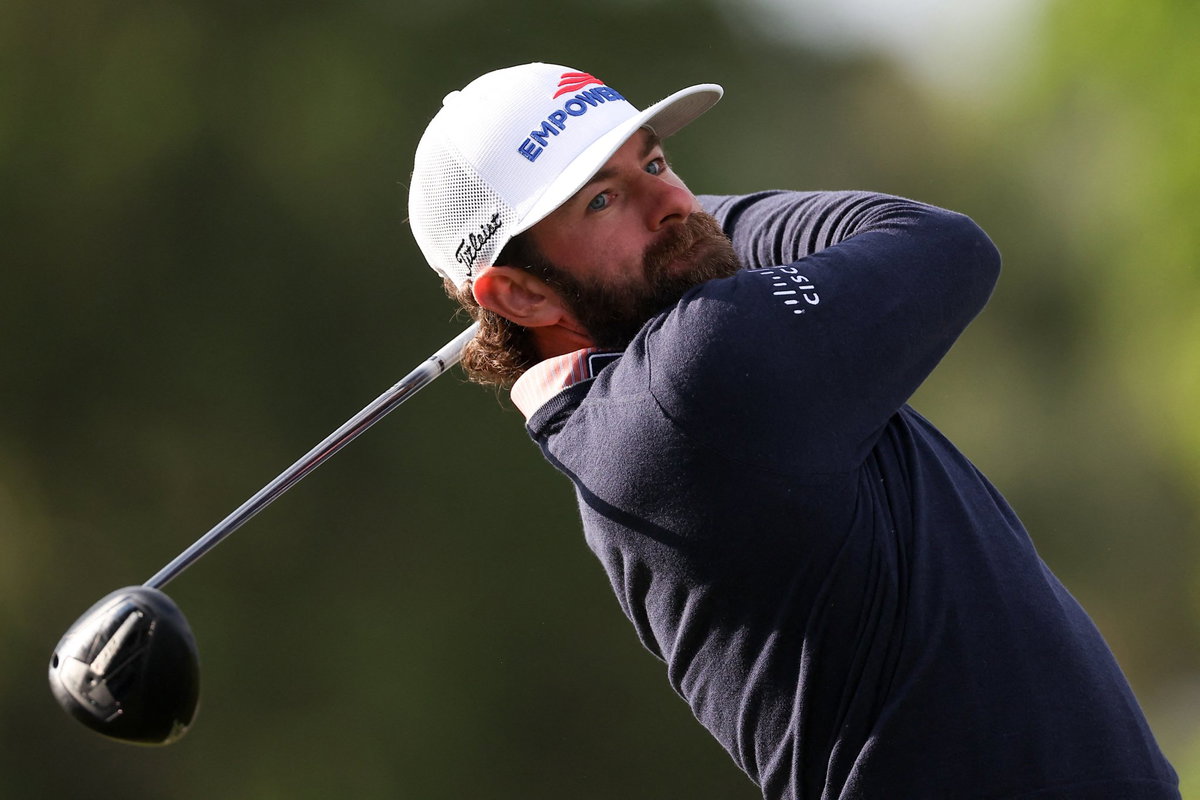
As Tommy Fleetwood prepares for his next round, he’s not just stepping onto the green with his signature hat; he’s also making a game-changing adjustment in his putting strategy. By sticking with his tried-and-true putter model, he aims to optimize his short game with a fresh approach. This key change may pivot the trajectory of his performance in future competitions.
Key takeaways
- Tommy Fleetwood is adjusting his putting technique without changing his putter model.
- He is confident in the specifications of his existing putter.
- The focus on technique could enhance his performance on the greens.
- Fleetwood's decision emphasizes the significance of skill over equipment.
- Anticipate noticeable improvements in his game due to this recalibrated approach.
Context and background
Tommy Fleetwood has established himself as a formidable competitor on the PGA Tour. Known for not only his strikingly unique hats but also for his strategic gameplay, Fleetwood holds multiple titles across both the European and PGA Tours. His impressive track record includes several top-10 finishes in major tournaments, alongside his participation in the Ryder Cup, which underscores his skill and competitiveness.
Despite his successes, putting remains a critical aspect where many players, including Fleetwood, have room for improvement. The psychology behind putting often weighs heavily on a golfer’s performance, making strategic changes vital for confidence as well as success on the course. Fleetwood’s renewed commitment to refining his putting underscores his understanding of this enduring truth.
Focusing on fine-tuning: Fleetwood's recalibrated approach
This week, Fleetwood is revisiting his putting technique while holding steadfast to the same putter model he has used in the past. His choice to stick with the same specifications is a testament to his confidence in the club's capabilities. Rather than jumping onto the latest equipment bandwagon, he is choosing to improve how he utilizes what he already has.
Though the technological advancements in golf equipment are continuous, Fleetwood’s pathway reflects a deeper understanding: sometimes the key to improvement lies in subtle adjustments rather than a complete overhaul of one’s toolkit. His adjustments might involve refining his stance alignment, altering the rhythm of his stroke, or improving distance control for longer putts. Each of these minor tweaks can significantly enhance performance on the greens.
The psychological factor of staying with familiar equipment is also noteworthy. A golfer's mental state plays a crucial role, especially in high-stakes situations. By maintaining the same putter while adjusting his technique, Fleetwood can focus on mastering the mental game rather than worrying about adaptation to new gear. This strategic approach is essential during championship rounds, where every stroke carries weight.
In their own words
“Sometimes it’s not about changing clubs; it’s about finding a better way to use what you’ve got. I’m excited to see how my adjustments pan out this week.”
— Tommy Fleetwood
What this means for golfers
Fleetwood's strategic adjustments underscore the importance of adaptability and mental focus, particularly in putting. For recreational golfers, the key takeaway is clear: instead of continuously chasing the latest gear, enhancing your technique with the tools you already possess can lead to substantial improvements. Understanding the mechanics of a putting stroke and cultivating a consistent routine are critical for success.
Golfers of all skill levels should analyze their unique strengths and tendencies, tailoring their putting techniques accordingly. Practicing with an existing putter can yield effective results while developing personal skills, serving as a reminder of how focused practice can frequently outperform mere reliance on new equipment.
What's next
As Fleetwood implements these changes, his upcoming tournament performances will be crucial in determining the effectiveness of his new putting approach. The forthcoming season promises a plethora of competitive events, making it especially intriguing to observe whether these adjustments will translate into notable improvements.
If successful, Fleetwood's journey could inspire other golfers to prioritize skill refinement over acquiring the latest technology. With fans and competitors alike on the lookout, all eyes will be on Fleetwood to see how these insights might resonate throughout the golfing community in the weeks to come.

/https%3A%2F%2Fcdn.pijper.io%2F2026%2F06%2FRkUgIHk3UBT3tw1781080975.jpg)