Introduction
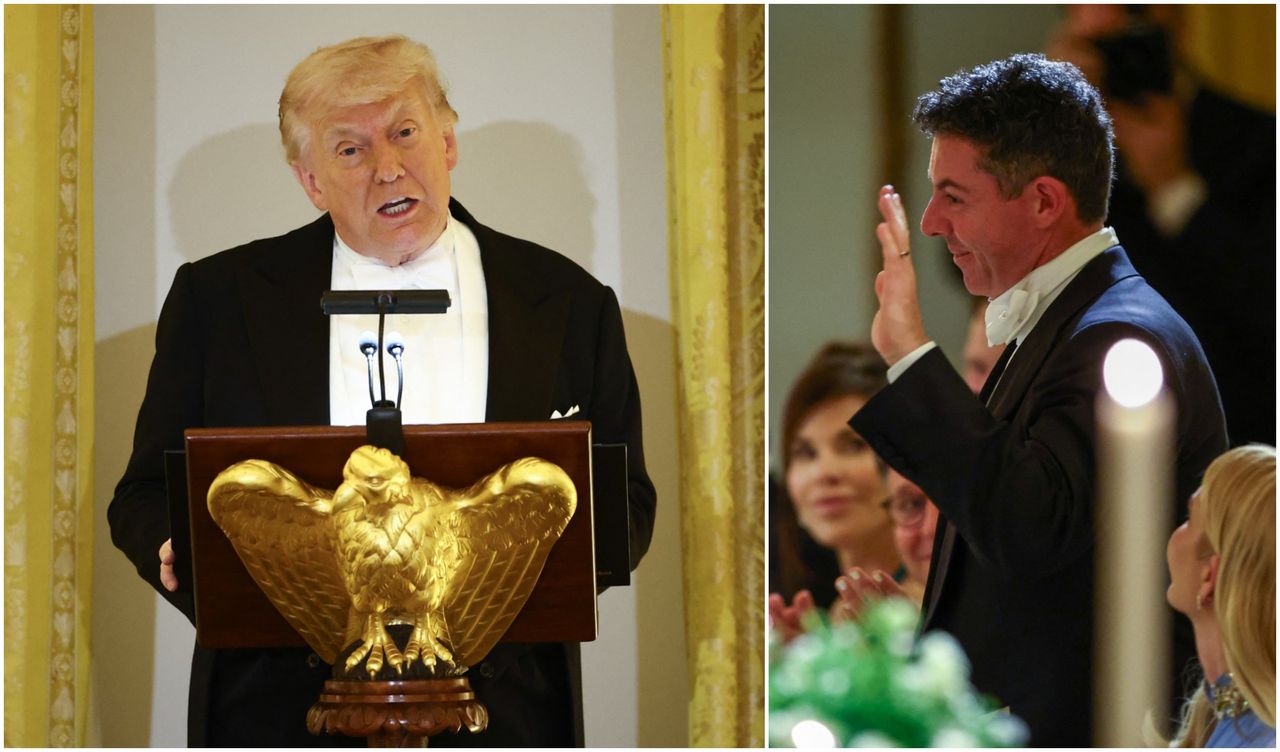
In what can only be described as an unexpected detour during a formal event, former President Donald Trump took a moment to extol the virtues of Rory McIlroy during a recent state visit by King Charles III and Queen Camilla to the White House. This moment, where sports intersect with high diplomacy, showcased not only McIlroy's prominence in the world of golf but also the broader cultural impact of athletes in today’s society.
Key takeaways
- Trump took a break from his formal address to praise McIlroy.
- The event marked a British royal family visit to the United States.
- McIlroy was in attendance, underscoring his status in golf and international relations.
- The incident highlights the blending of sports and political diplomacy.
- Events like these showcase athletes as key cultural figures.
Context and background
The intersection of sports and politics is not a new phenomenon. Athletes have long utilized their platforms to highlight social issues and bridge cultural divides. Rory McIlroy, a four-time major champion and one of golf’s most recognized faces, has been an outspoken advocate for various causes, including the Open Championship's role in fostering inclusivity in golf. His presence at a state event not only amplifies his stature within golf but also serves to remind the public of sports' role in diplomacy.
McIlroy's trajectory in golf has been remarkable. Since turning pro in 2007, he has amassed over 30 professional wins and is considered one of the most talented golfers of his generation. His ability to engage with fans and utilize social media platforms has turned him into a relatable figure among younger audiences, further solidifying golf's place in contemporary culture.
A moment of gratitude and recognition
The state visit was intended to strengthen the longstanding relations between the United States and the United Kingdom, two nations with deep historical ties. During his speech, Trump seized the opportunity to pivot from diplomatic rhetoric to a more personal touch regarding McIlroy, who was present in the audience. By publicly acknowledging the golfer, Trump shone a light on the significance of sports as a unifying force.
Trump’s commendation not only celebrates McIlroy’s achievements on the course but also reinforces the notion that athletes are capable of influencing public perception across borders. McIlroy, who has garnered fanfare for both his skill and sportsmanship, represents a modern image of golfing excellence that resonates well beyond traditional golf circles.
In an age where athletes often find themselves as role models and harbingers of change, moments like these signify a common understanding. Trump’s remarks reflect a broader trend where sports figures are not only celebrated for their achievements but are also recognized for their capacity to inspire and connect diverse audiences.
In their own words
"It was an honor to have President Trump recognize my contributions to the game of golf, especially in such a distinguished setting. I appreciate his acknowledgment and support. The game has the power to unite people, and I am glad to be a part of that conversation."
— Rory McIlroy
What this means for golfers
This unique situation illustrates how public figures, especially in sports, can leverage their presence to create more meaningful dialogues about cultural relationships. Recreational golfers and golf enthusiasts should look to McIlroy's example. Beyond excellent performance on the course, athletes today have the opportunity to act as ambassadors for the sport, advocating for inclusivity and growth.
For amateur golfers, McIlroy's achievements serve as inspiration to focus not only on their technical skills but also on the impact they can have in their communities. Furthermore, understanding that celebrities can be vocal supporters of causes offers guidance on using sport for broader conversations about society.
What's next
Looking ahead, the presence of high-profile golfers like Rory McIlroy at significant events suggests a trend that could further amplify the sport's relevance in various societal spheres. As more athletes engage in dialogue surrounding their influence, it will be interesting to see how opportunities arise to combine sports and political diplomacy in future events.
The Royal family may continue to use sporting figures for promoting goodwill, and the golf community should anticipate a strengthened partnership between sports and diplomacy. Events like the Ryder Cup and The Open Championship could see enhanced participation from political figures, further embedding sports within the tapestry of international relations. With McIlroy at the forefront, fans can expect even more significant acknowledgments of athletics as a global unifier.