


Intro paragraph
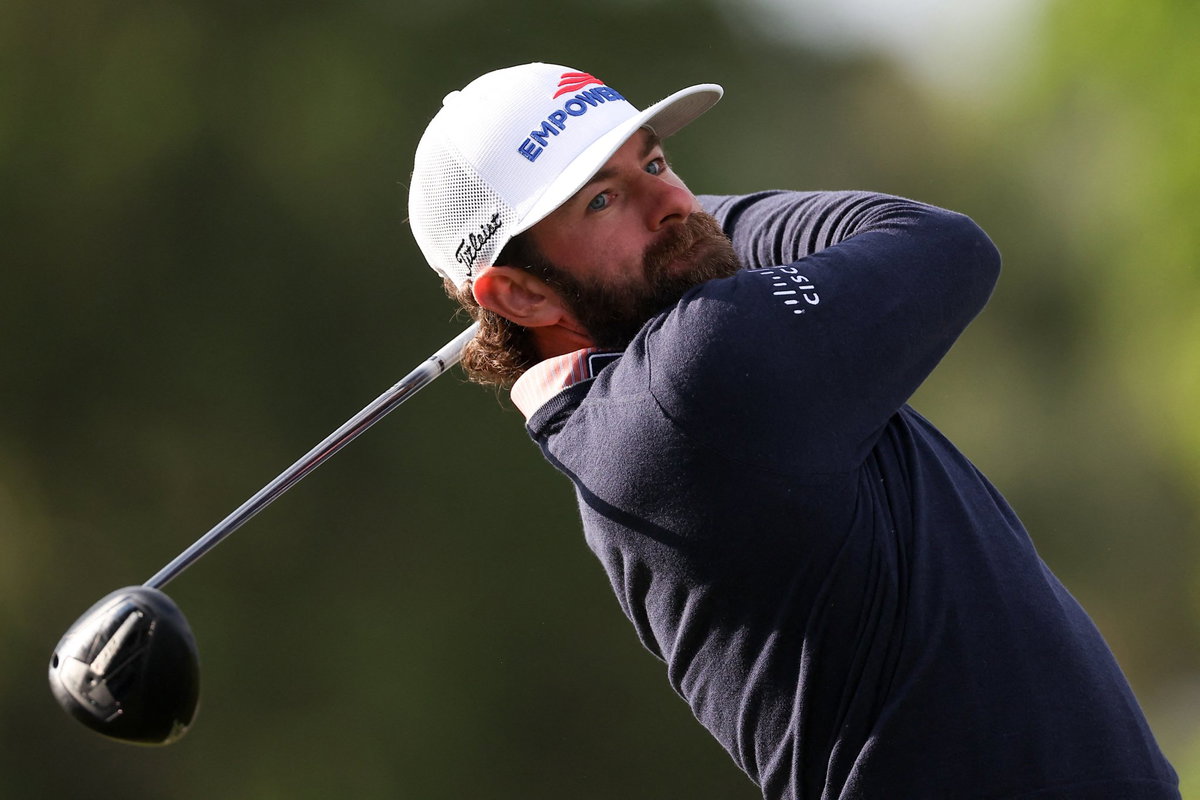
As the final round of the Masters approached, Tyrrell Hatton prepared himself for a different kind of battle. While many players fixate on securing the coveted green jacket, Hatton's motivation on Masters Sunday emanates from personal victories, offering a refreshing outlook on what success truly means at Augusta National.
Key takeaways
- Hatton emphasizes personal growth and small victories over the pressure of winning.
- His approach reflects a shift from traditional expectations of success in major tournaments.
- Augusta National presents unique challenges, making personal achievements vital.
- Hatton's mental game has evolved, focusing on process rather than outcome.
Context and background
The Masters has a long and storied history, often viewed as the pinnacle of golf where legends are made and dreams are realized. From its inception in 1934, players have aspired to don the iconic green jacket. However, the pressure associated with this prestigious tournament can often cloud a golfer's mind, leading to performance anxiety and disappointment. For many, the focus on winning can overshadow the opportunity to appreciate the subtler nuances of success on the course.
Tyrrell Hatton, who has steadily climbed the ranks since turning professional in 2013, recognizes that not everyone can win the Masters. By accepting this reality, he embraces the unique hurdles Augusta National presents. This mindset has allowed him to engineer his approach, seeking personal victories rather than solely fixating on the ultimate prize.
A new perspective on victory at Augusta
Hatton's philosophy is rooted in the understanding that competitive golf at a major venue like Augusta is not just about posting the best score; it's about personal development, resilience, and learning from each experience. With its undulating greens and notoriously tricky conditions, Augusta tests players in ways that transcend mere strokes gained or lost. Breaking par or hitting certain shots can feel like a victory in itself.
During his participation in the Masters, Hatton has demonstrated a knack for overcoming adversity. His performances have shown that he is not just a skilled technician, but a fighter. While he may not yet have a green jacket in his collection, his resolve to celebrate smaller triumphs speaks to a deeper understanding of the game. Recent statistics illustrate this philosophy. In 2023, Hatton achieved a career-best sixth-place finish at the Masters, indicating he is making strides not just in scores, but in his overall mental approach to the game.
This idea of redefining what victory means is critical for Hatton. It transforms traditional narratives around success. For instance, a birdie on the 13th hole may come with a sense of accomplishment by mastering one of Augusta’s most daunting challenges. Hatton’s focus on personal milestones may also appeal to amateur golfers who often feel the pressure to perform. The mental resilience he has cultivated could serve as a blueprint for anyone looking to improve their game.
In their own words
"It's not just about winning for me; it's about finding joy in the process and improving upon my past performances. Every shot tells a story that contributes to my growth as a player."
— Tyrrell Hatton
What this means for golfers
Hatton's outlook provides valuable lessons for golfers of all skill levels. Recreational players often harbor the same pressures as professionals—not just from the desire to win, but from the need to play well in front of peers. Embracing the mindset that personal improvement is as meaningful as the scorecard can lead to a more enjoyable golf experience. Players can focus on aspects of their game they control, such as technique and course management, rather than get bogged down by external expectations.
For equipment considerations, thinking about personal victories rather than competitive pressures may influence how golfers select their gear. Opting for clubs that enhance comfort and performance for specific shots could provide the confidence needed to tackle similar challenges as Hatton experiences at Augusta.
What's next
Hatton’s unique approach is likely to resonate heading into other major tournaments in 2023, such as the PGA Championship and the U.S. Open. As he continues to refine his game and cultivate a mindset rooted in personal victories, fans and aspiring golfers will be keenly watching his progress. The Masters may be behind him, but his philosophy will remain relevant as he participates in subsequent events, potentially inspiring a broader shift in the approach many take towards competitive golf.


/https%3A%2F%2Fcdn.pijper.io%2F2026%2F06%2FRkUgIHk3UBT3tw1781080975.jpg)