

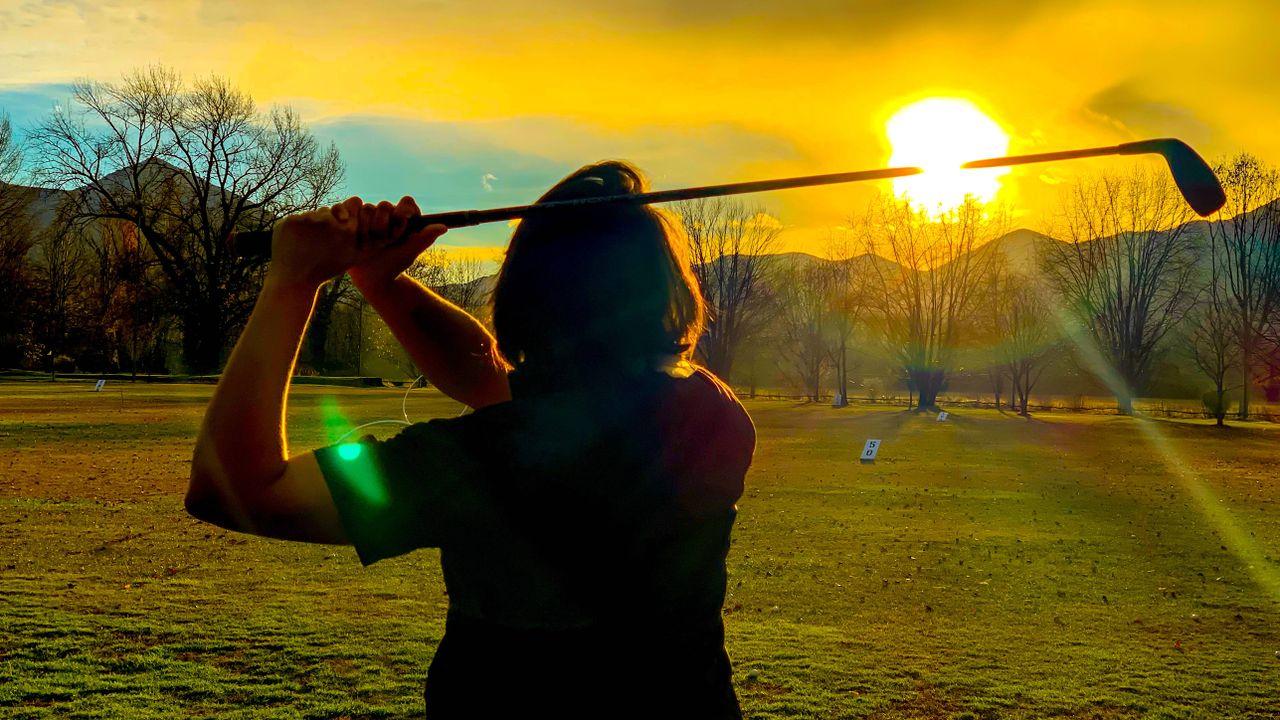
Understanding grief through golf: support in tough times
In a poignant discussion that sheds light on the complexities of grief, PGA Professional Katie Dawkins shares insights into how golf can serve as a powerful healing tool for women navigating the turbulent waters of loss. While many at the golf club rallied around those mourning, it’s the gaps in that support that reveal vital truths about community dynamics and emotional resilience.
Key takeaways
- Katie Dawkins discusses the importance of support systems for women experiencing grief.
- Golf provides a unique space for healing, camaraderie, and reflection.
- The response of both men and women within clubs can differ significantly in times of need.
- A strong network among fellow golfers can foster emotional healing and resilience.
Context and background
Grief is an inevitable part of life, yet its expression and support systems dramatically differ across communities, particularly in spaces like golf clubs. The sport, traditionally associated with male dominance, has begun to evolve, allowing both men and women to navigate grief together. Historically, golf has served as both a refuge and a means of socializing, yet women often encounter distinct challenges in seeking emotional support within this arena. Statistics indicate that women are historically more vulnerable to deep grief, yet the responses from their peers can vary, leading to an essential dialogue about how we can better nurture emotional well-being within golf communities.
Golf as a healing space
In her discussions with grieving women, Katie Dawkins emphasizes the intrinsic virtues of golf as a therapeutic outlet. The sport’s leisurely pace allows for contemplation, while playing amidst nature can provide catharsis. Dawkins highlights numerous anecdotes of women who found comfort on the fairways, illustrating how sometimes, a simple game paired with authentic companionship can lead to transformative experiences. The shared passion for golf generates a sense of community which can be especially influential for those navigating loss.
Statistically, clubs that prioritize emotional support report better retention rates among female members, underscoring the critical role that community responses play in how individuals cope with loss. Dawkins specifically points out scenarios where, despite some individuals stepping up to offer support, others have been less engaged, complicating the healing journey. The dichotomy of experiences prompts a deeper examination of the ways by which clubs can foster inclusiveness and emotional awareness.
In their own words
“Golf has always been a part of my life, but it was during my darkest times that I truly understood its healing power. Being able to talk things through while playing a round made all the difference.”
— Grieving Golfer
“The support from fellow golfers has been overwhelming. Sometimes I just need someone to listen, and I find that on the course, it happens naturally.”
— Another Golfer
What this means for golfers
The revelations surrounding grief and golf carry practical implications for both recreational and competitive players. Establishing a supportive network is vital, not only for those who are grieving but for the community as a whole. This is an opportunity for golfing communities to promote camaraderie and mental health awareness by initiating programs specifically designed to address grief. Creating open discussions and providing training for club members on recognizing signs of distress can lead to a more empathetic and engaged environment.
Moreover, for golfers looking to purchase equipment or join facilities, seeking venues that prioritize mental health and emotional support is crucial—this signifies a forward-thinking culture. Clubs with strong support networks can lead to a more fulfilling and holistic golfing experience.
What's next
As the conversation around grief and community evolves, upcoming golf events can play a pivotal role in fostering a supportive environment for all members, particularly women. Initiatives that encourage open dialogue at tournaments, coupled with seminars about mental health, could redefine the golfing landscape. More clubs are likely to implement peer support programs, offering platforms for individuals to share their stories, further enhancing the culture of solidarity that golf can provide.
In looking toward the future, it's apparent that the golf community has the potential to be not only a source of physical activity but also a pillar of emotional support. By focusing on these aspects, clubs can fulfill both their sporting and social responsibilities, truly becoming a haven for healing.