

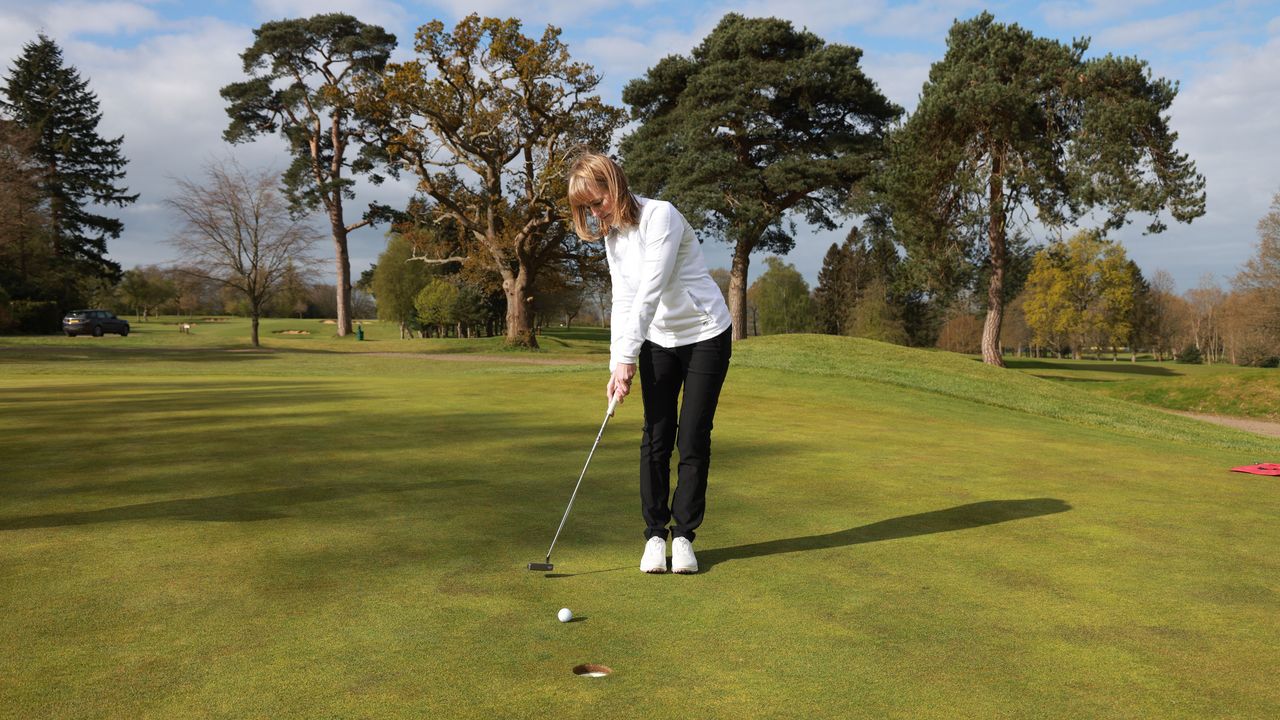
Is side saddle putting allowed?
Golf enthusiasts are no strangers to unconventional techniques on the green, but one recent match raised eyebrows with a side saddle putting style. Standing alongside the ball and aiming towards the hole, players have tested the boundaries of the rules. But is this method sanctioned in golf? Here’s a deeper look into the legality of side saddle putting and the implications for players.
Key takeaways
- Side saddle putting involves standing parallel to the target line while putting, an unconventional stance.
- This method has sparked debate among golfers about its compliance with the Rules of Golf.
- According to the USGA, there are specific regulations governing putting stances and grips.
- The penalty for improperly executing a putt can affect tournament scores drastically.
- Understanding the rules can help golfers avoid penalties and enhance their game.
Context and background
The game of golf is governed by a series of detailed rules compiled by organizations like the United States Golf Association (USGA) and The Royal and Ancient Golf Club of St. Andrews (R&A). Golfers often push the envelope on traditional techniques, with side saddle putting gaining traction due to its unique stance. Although this technique was once more common in earlier decades, its resurgence in popularity has left many players questioning its validity in tournament play.
Historically, side saddle putting was seen as a way for golfers to attain greater stability and control. However, modern competitions demand strict adherence to the rules, with the USGA specifying clear criteria for putting methods. An understanding of the legality surrounding side saddle putting is crucial for amateur and professional players alike, as violations can lead to penalties that can significantly impact a match.
The legality of side saddle putting
According to the Rules of Golf, particularly Rule 14.1, golfers must follow specific procedures during a putt. While players are indeed allowed to take their stance in various ways, they must adhere to certain conditions, such as ensuring the ball is not moved or altered during the stroke. Side saddle putting, where the player stands to the side of the ball, technically does not contravene any explicit rules regarding ball striking but does present some challenges and considerations.
The USGA’s guidance states that the player needs to maintain a previously established grip and stance throughout the putting stroke. Therefore, if a golfer employs a side saddle technique, they must ensure that their clubhead remains behind the ball at the moment of impact. Any failure to do so may result in a breach of the rules, leading to penalties ranging from stroke adjustments to disqualification in a tournament setting.
For perspective, the penalties outlined by the USGA can substantially affect a player's standings. A common breach may result in a two-stroke penalty, while more serious violations can incur disqualification. Given that side saddle putting can be an unconventional and challenging approach, players must exercise caution and ensure adherence to the rules to avoid needless penalties.
In their own words
"Understanding the rules is the most vital part of refining your game. Techniques like side saddle can be innovative, but players need to know their boundaries to play effectively."
— Golf Coach and Rules Expert
"I've seen players execute side saddle putting with precision, but it's essential they remain informed about what counts and what doesn’t according to the rulebook."
— Professional Golfer
What this means for golfers
For recreational and competitive golfers, being abreast of technicalities in the rules, particularly concerning putting techniques, is essential. With innovations such as side saddle putting gaining traction, it becomes imperative to verify its compliance with the standard rules. Golfers ought to practice any unique methods in alignment with Rule 14.1 to ensure they do not unknowingly incur penalties during casual play or tournaments.
Furthermore, equipment choices can play a role in successfully executing unconventional techniques. For instance, selecting a putter that complements a side saddle style—where the weight and balance are adapted to the player’s stance—can enhance performance. Nevertheless, golfers should always prioritize a solid understanding of the regulations related to their chosen techniques.
What's next
Looking forward, golfers are encouraged to stay informed about upcoming tournaments that may highlight these unconventional styles. With side saddle putting being a topic of increasing interest, players may witness its usage in competitive settings. Additionally, golf associations will likely continue to assess the rules to maintain a balance between innovation and tradition.
In the coming months, amateur players should seek opportunities to participate in workshops or clinics focusing on unique putting techniques alongside rule education. As golf evolves, understanding the mechanics and regulations surrounding innovative styles like side saddle putting will be crucial for all levels of players.

/https%3A%2F%2Fcdn.pijper.io%2F2026%2F06%2FRkUgIHk3UBT3tw1781080975.jpg)