
Introduction
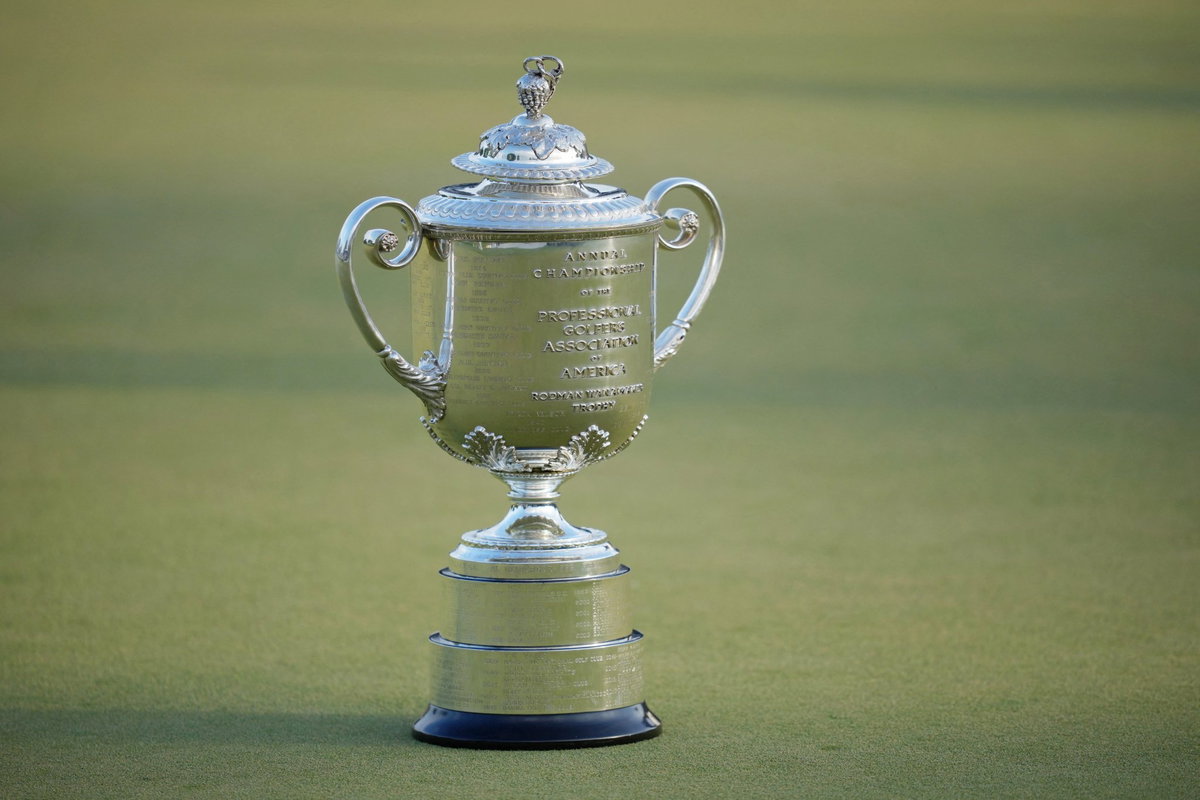
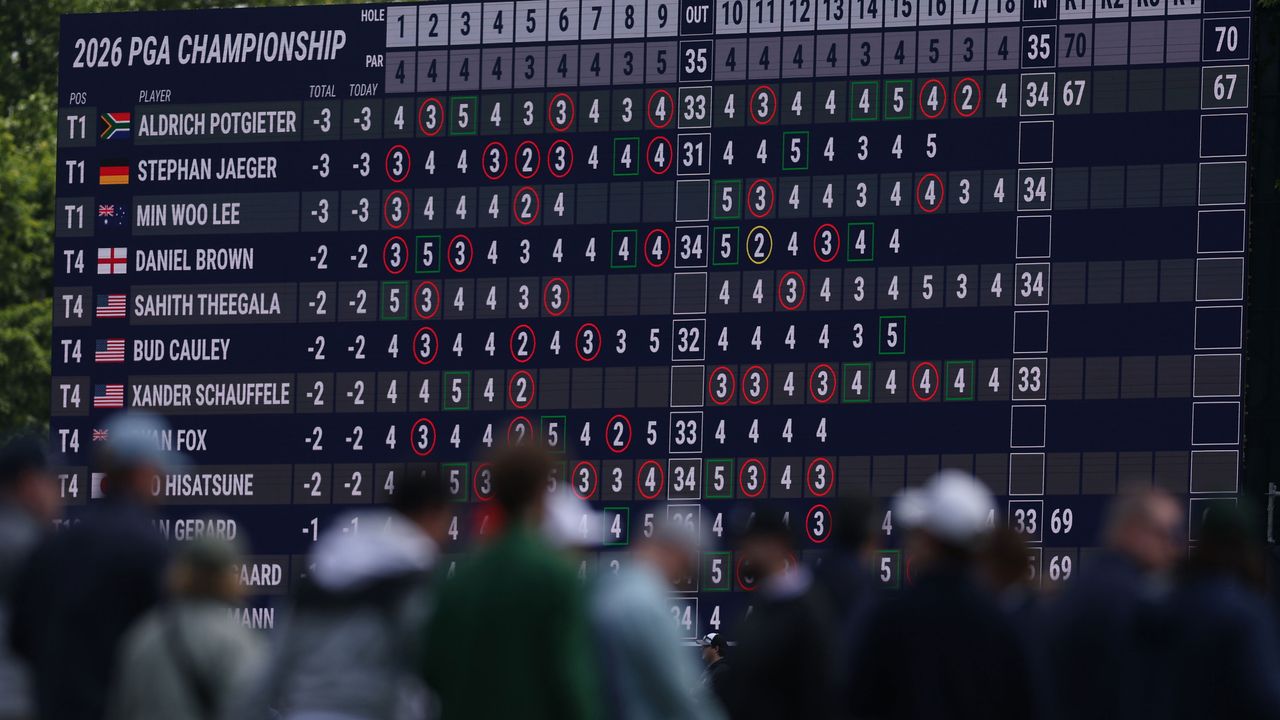
The PGA Championship is not only one of golf's four major championships but also a highly competitive arena where stakes are high and every stroke counts. As players battled through a challenging opening day at Aronimink Golf Club, the focus is sharply fixed on the notorious cut rule — a determinant of who continues their quest for glory and who heads home early. Understanding this rule is essential for fans and players alike as it highlights one of the key tensions within the tournament.
Key takeaways
- The PGA Championship cut rule eliminates players below a specific score after the first two rounds.
- A typical cut is set at the top 70 players, including ties, after 36 holes.
- The cut impacts the leaderboard significantly, often changing the dynamic for weekend play.
- Each player’s performance during the first two rounds is critical for advancing.
- The rule serves to maintain the competitive integrity of the event.
Context and background
The PGA Championship was first played in 1916, evolving into one of golf's premier events. Traditionally held in mid-August, this tournament attracts the best players from around the world. The cut rule has been a part of tournament play for decades and seeks to ensure a competitive balance within the field. The current format stipulates that the top 70 players, plus any ties, will qualify for the final two rounds.
Statistically, making the cut can be a significant measure of success for golfers. The cut line often falls around par, depending on course conditions and the strength of the field; for instance, in 2019, the cut line was set at +1. Moreover, only around half of the competitors typically survive the cut, underscoring the relentless pressure players face each year.
The importance of the cut rule in the tournament dynamics
The cut rule serves as a critical juncture in the PGA Championship, fundamentally altering how players approach their rounds. Amidst the verdant backdrop of Aronimink Golf Club, competitors rally their mental fortitude to aim for consistency and avoid costly errors that could push them below the cut line.
By design, the cut creates a highly competitive atmosphere. Players are aware that every birdie and bogey counts, and each round can turn into a grueling test of both skill and nerve. The psychological implications of the cut are significant; players often feel heightened pressure to perform, knowing the consequences of their scores.
Looking again at 2019 as an example, the cut was not just a matter of reaching 1 over par; rather, it reshaped the trajectory of the tournament itself. As stronger players advanced to the weekend rounds, it invited the potential for even greater scores and more dramatic storylines, illustrating how the cut rule can significantly influence performance trajectories and fan engagement.
In their own words
"The cut is always at the back of your mind. You just try to play your game, but it’s hard not to think about it. Every shot matters, especially during the first two rounds."
— Professional Golfer
"The pressure at major championships is immense, but the cut creates an even more intense atmosphere. It’s like playing for your life out there."
— Tour Coach
What this means for golfers
For aspiring and recreational golfers, understanding the PGA Championship cut rule can provide insight into the competitive nature of the sport. It offers a practical lesson in strategic play and the importance of maintaining composure under pressure. Golfers can emulate this high-stakes atmosphere by adopting similar tactics during casual rounds, focusing on shot management and the psychological aspects of competition.
In terms of equipment, golfers may find it useful to invest in performance-enhancing gear that aligns with their playing style. Clubs designed for accuracy and forgiveness can be instrumental in maintaining the kind of consistency demanded at a championship level.
What's next
As the competition moves beyond the opening rounds at Aronimink Golf Club, fans will closely watch how players respond to the cut rule and the pressure it brings. The tournament is set to unfold over the weekend, not just as a quest for a championship but as a stage to witness top-tier golf under high-stakes conditions. The upcoming rounds may very well define legacies and alter career paths, making the understanding of each golfer’s performances integral to following the event. Expect thrilling leads to shift and gripping comebacks as the weekend draws near, adding to the rich history of one of golf’s most prestigious tournaments.

/https%3A%2F%2Fcdn.pijper.io%2F2026%2F06%2FRkUgIHk3UBT3tw1781080975.jpg)