
Introduction
The excitement leading up to the U.S. Open at Shinnecock Hills has been overshadowed by the shocking news that several high-profile players failed to secure their spots in the tournament during the final qualifying rounds. Among those left disappointed was the talented Max Homa, sparking conversations about the unpredictability and pressure of elite golf.
Key takeaways
- Max Homa, a rising star, significantly missed qualifying for the 2026 U.S. Open.
- Scottie Scheffler, Rory McIlroy, and Bryson DeChambeau are also feeling the heat ahead of the tournament.
- U.S. Open qualifying is notoriously difficult, with every stroke carrying significant weight.
- This year's qualifiers featured intense competition at multiple sites, showcasing both resilience and heartbreak.
Context and background
The U.S. Open has long been revered as one of the toughest tests in professional golf, often requiring not only incredible skill but also the mental fortitude to withstand the pressure. Historically, players like Tiger Woods and Jack Nicklaus have shined in this prestigious tournament, but each year, new faces emerge in the qualifying rounds, reflecting the growing talent pool in the sport.
Generally held in June, the U.S. Open qualifying process includes several stages that begin months in advance, culminating in one grueling day—known as Golf's Longest Day—where players fight for a limited number of coveted spots. This year saw key players facing off against stiff competition and unforgiving conditions, leading to dramatic and often heartbreaking outcomes.
The 2026 U.S. Open qualifying saga
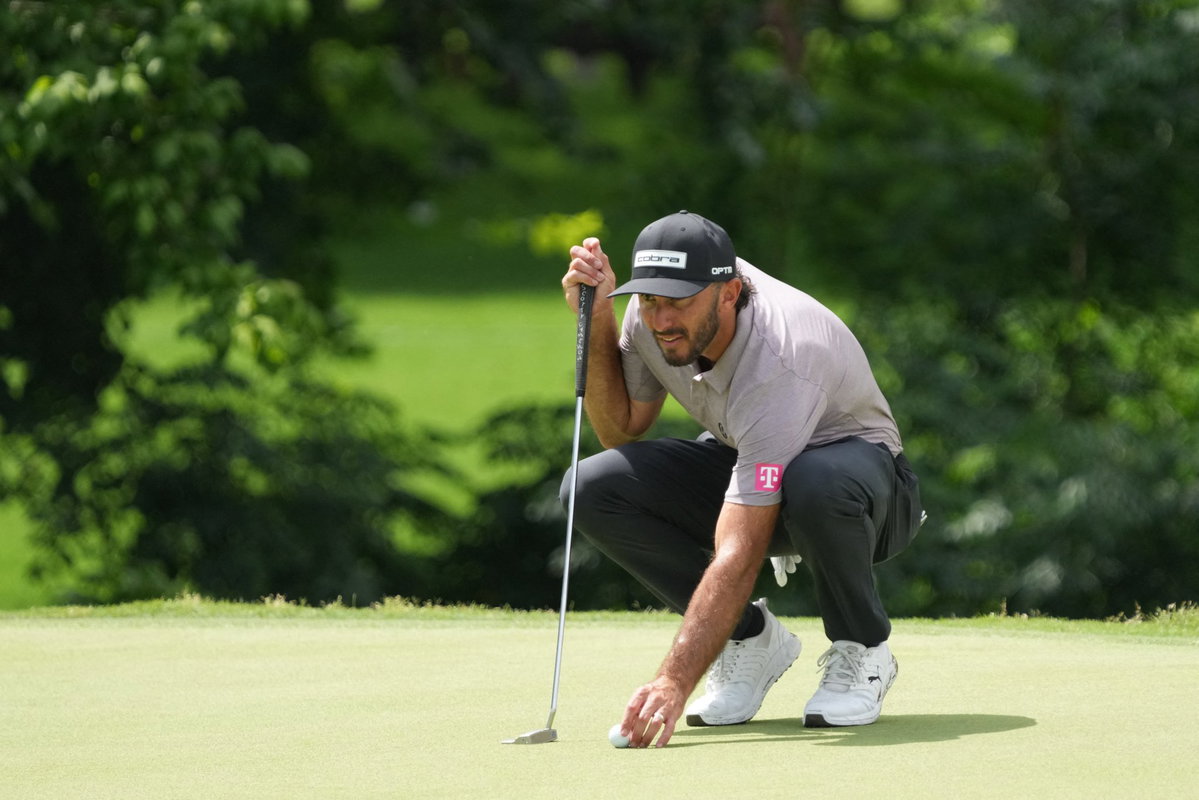
The final qualifying day for the U.S. Open is a fabled affair, known for its intensity. As golfers across 13 sites battled for a ticket to Shinnecock Hills, the atmosphere was filled with electric tension. One of the major names to miss out was Max Homa, whose absence will be felt both on and off the course. Homa, who had a solid record leading into this season, now faces the reality of needing to recalibrate his approach for the upcoming tournaments.
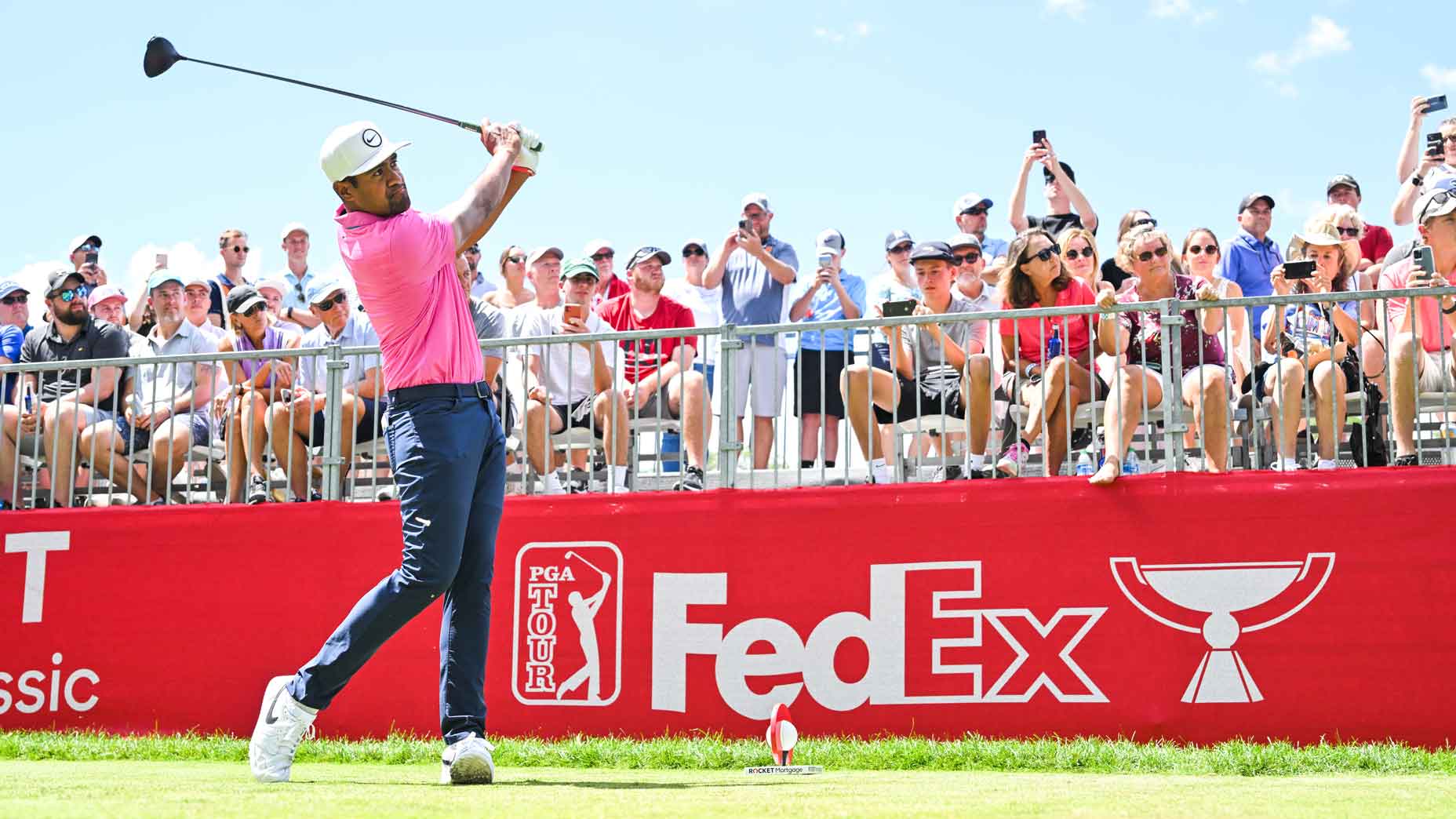
Also stirring anxiety among fans are other top players such as Scottie Scheffler, Rory McIlroy, and Bryson DeChambeau. All three have had varying degrees of success on tour in recent months but were seen as needing to reignite their competitive edge as the U.S. Open draws near. Each player carries the weight of expectations, and their performances in this qualification serve as a barometer for their preparation.
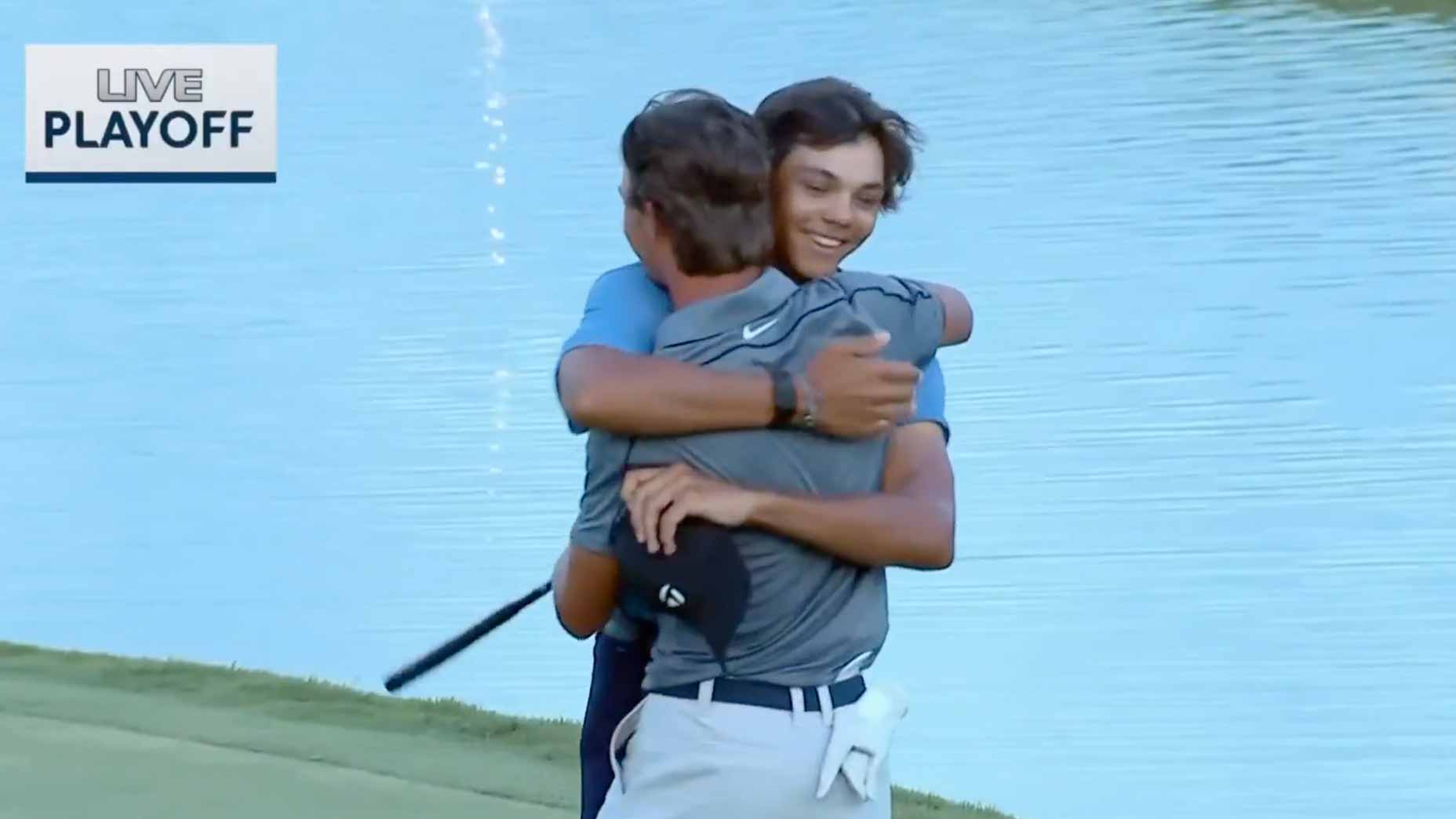
This year's U.S. Open qualifying events not only highlighted the challenges faced by seasoned professionals but also brought forth the compelling stories of lesser-known players like James Nicholas, whose journey to the U.S. Open has been marked by tumult and triumph. Nicholas's dramatic swings and nail-biting finish exemplify how quickly fortunes can change in golf.
In their own words
"The competition here is fierce, and any little mistake can be the difference. It's what makes this day so thrilling and brutal at the same time."
— James Nicholas
"Missing out on the U.S. Open is a tough pill to swallow. But this is a sport where you have to keep moving forward; there are many more opportunities ahead."
— Max Homa
What this means for golfers
The U.S. Open qualifying process underscores a crucial lesson for recreational golfers: consistency is key. Players at all levels can learn from the intense preparation that high-caliber golfers employ. It’s not just about talent; mental toughness and the ability to perform under pressure are equally important.
Additionally, amateur golfers can take cues from the equipment and practice routines of professional players. Analyzing how these players adapt their clubs and grips can provide valuable insights for enthusiasts looking to enhance their own game. Engaging in mental training and simulations of tournament pressure scenarios, as seen in qualifiers, can also improve performance.
What's next
As the dust settles from the intense qualifying rounds, all eyes now turn to the U.S. Open at Shinnecock Hills. Fans will eagerly anticipate how the field adapts to the challenges posed by this iconic venue. For those players who qualified, it’s time to reevaluate strategies and fine-tune their games in preparation for one of the most significant events in the golfing calendar.
The outcomes from the qualifying rounds may very well shape the trajectory of many players' careers. For those like Homa, who missed out this year, the path forward involves recalibrating their focus and strategy for the remaining season. As the tournament approaches, the importance of resilience and adaptability in golf continues to resonate.