Introduction
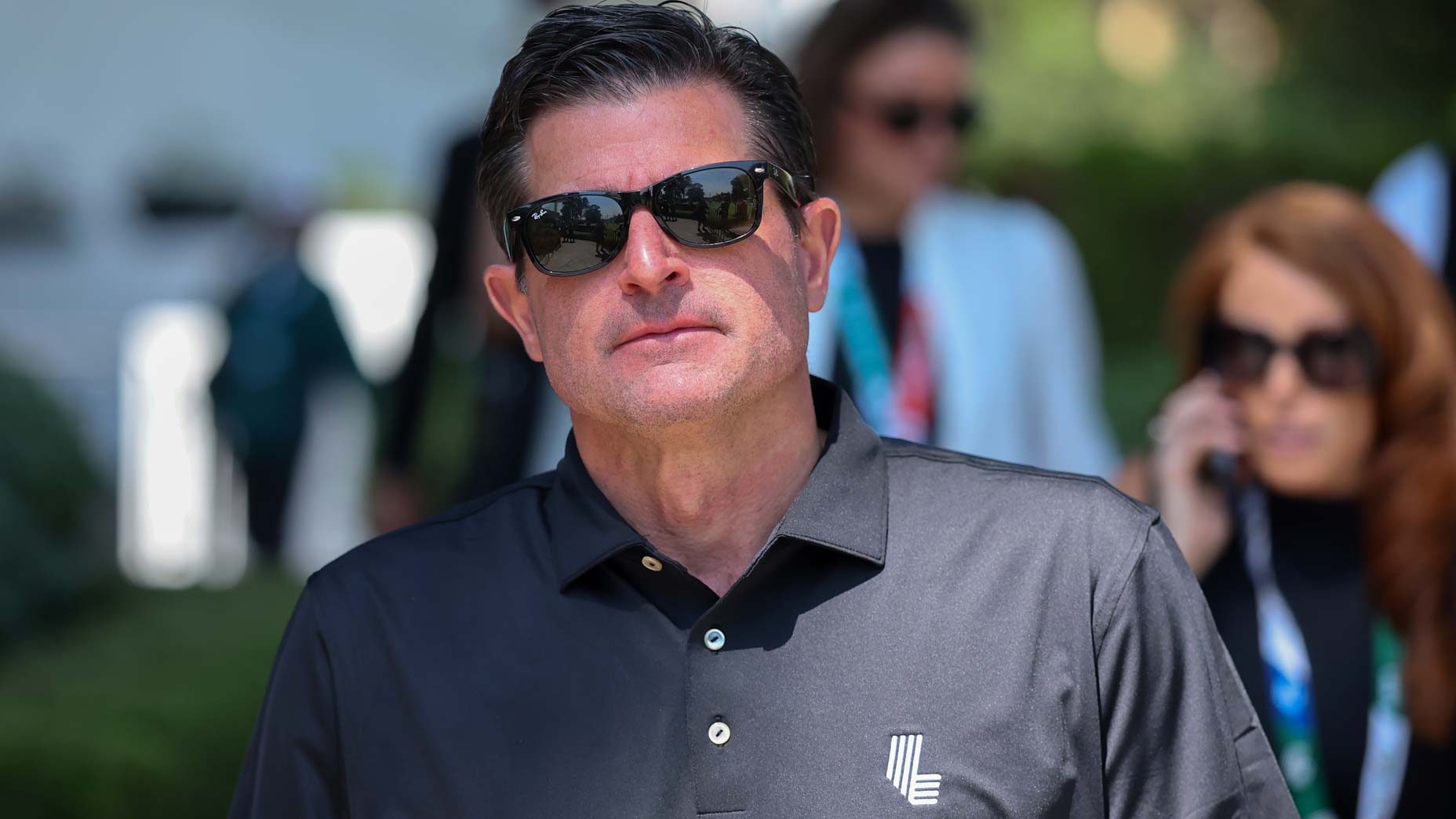
As the world of golf continues to shift beneath its feet, LIV Golf's future hangs in the balance following the unexpected withdrawal of funding from its primary backer, the Saudi Public Investment Fund (PIF). In a recent media address, LIV Golf CEO Scott O'Neil provided insights into the league's direction amidst growing speculation and uncertainty, a situation that has left players, fans, and analysts questioning the viability of this controversial breakaway tour.
Key takeaways
- Scott O'Neil's first public comments on LIV Golf's direction since the funding cut.
- Uncertainties surrounding the financial sustainability of the tour.
- Potential impacts on player contracts and future events.
- Broader implications for the golf industry amidst increasing competition and changes.
- Varied responses from players, management, and sponsors regarding the league's fate.
Context and background
LIV Golf has had a tumultuous journey since its inception, initially heralded as a revolutionary alternative to traditional PGA Tours while fueled by lavish funding from the Saudi PIF. This ambitious vision appealed to many high-profile players, who were lured not just by significant prize money, but also by the promise of a different competitive structure. However, with the initial wave of financial support in jeopardy, analysts are revisiting the league's long-term projections.
As of early 2023, LIV Golf had attracted a number of notable golf stars, reshaping the competitive landscape. The tour has drawn significant viewership and heightened media attention, but it has also faced criticism over its association with human rights issues linked to its funding source. The recent funding cuts have raised alarms, suggesting that the league may struggle to sustain its ambitions without a proper financial foundation.
The crossroads for LIV Golf
In his recent address, Scott O'Neil reflected on the unexpected changes and challenges posed by the funding withdrawal. He emphasized that while the league faced significant uncertainties, potential paths forward could still be explored through strategic partnerships and restructuring. O'Neil's comments hinted at a commitment to continue operations, albeit with a focus on efficiency and sustainability—a necessity in an increasingly competitive environment.
Player contracts may also be affected, as commitments made under the previous financial framework will now require reevaluation. Many high-profile players, including the likes of Phil Mickelson and Brooks Koepka, have invested not only their careers but also their reputations into LIV Golf. As the league's future hangs in the balance, it remains to be seen how these players will navigate the complexities of their allegiances.
Statistics show that LIV Golf's tournaments have drawn considerable audiences, but whether that translates into long-term financial viability remains uncertain. Comparatively, traditional tours like the PGA have well-established structures and sponsorship agreements that support their stability. The contrast adds weight to the questions surrounding LIV Golf's ability to maintain momentum moving forward.
In their own words
"I remain optimistic that LIV Golf can find a way through this uncertainty. We have to think creatively and explore all avenues to sustain our vision."
— Scott O'Neil
What this means for golfers
The ongoing uncertainty surrounding LIV Golf underscores the volatile nature of the sport's ecosystem, which is increasingly impacted by financial considerations. Recreational golfers watching the developments should take note of how changes in professional golf can trickle down to influence equipment design, marketing strategies, and local tournament structures.
Furthermore, aspiring professionals observing the landscape should be aware that the changing dynamics may offer unique opportunities for emerging golfing talents. The competitive nature of smaller tours could evolve, potentially providing more pathways to success outside of the traditional PGA setup.
What's next
As LIV Golf plans its next steps in a fast-changing environment, what looms on the horizon are upcoming events that will test the league's mettle and management's crisis response. The sports world will be closely watching how LIV Golf maneuvers through its newfound challenges, with critical decisions expected to be made by mid-2024.
Will the league secure new sponsorship deals or partnerships to stabilize its financial footing? Greater clarity may emerge over the coming months as O'Neil and his team work to address concerns and outline a renewed strategy focused on sustainability. Ultimately, LIV Golf's future will depend on its ability to adapt to current conditions while remaining committed to its core values and vision.