Introduction
The professional golf landscape has been shaken to its core following the revelation that Saudi Arabia's Public Investment Fund (PIF) will cease funding LIV Golf at the end of the 2026 season. As the curtain draws on this lucrative financial backing, players like Jon Rahm and Bryson DeChambeau are left grappling with their uncertain futures, inciting a flurry of discussions revolving around their career trajectories and the viability of a potential return to the PGA Tour.
Key takeaways
- The PIF will stop funding LIV Golf by the conclusion of the 2026 season.
- Top players, including Jon Rahm and Bryson DeChambeau, face significant career decisions ahead.
- This development is likely to affect LIV Golf's overall stability and competitiveness.
- The PGA Tour may see opportunities for reunification with its former stars amid a changing golf landscape.
- Players looking to transition back to the PGA Tour will need to navigate a fiercely competitive environment.
Context and background
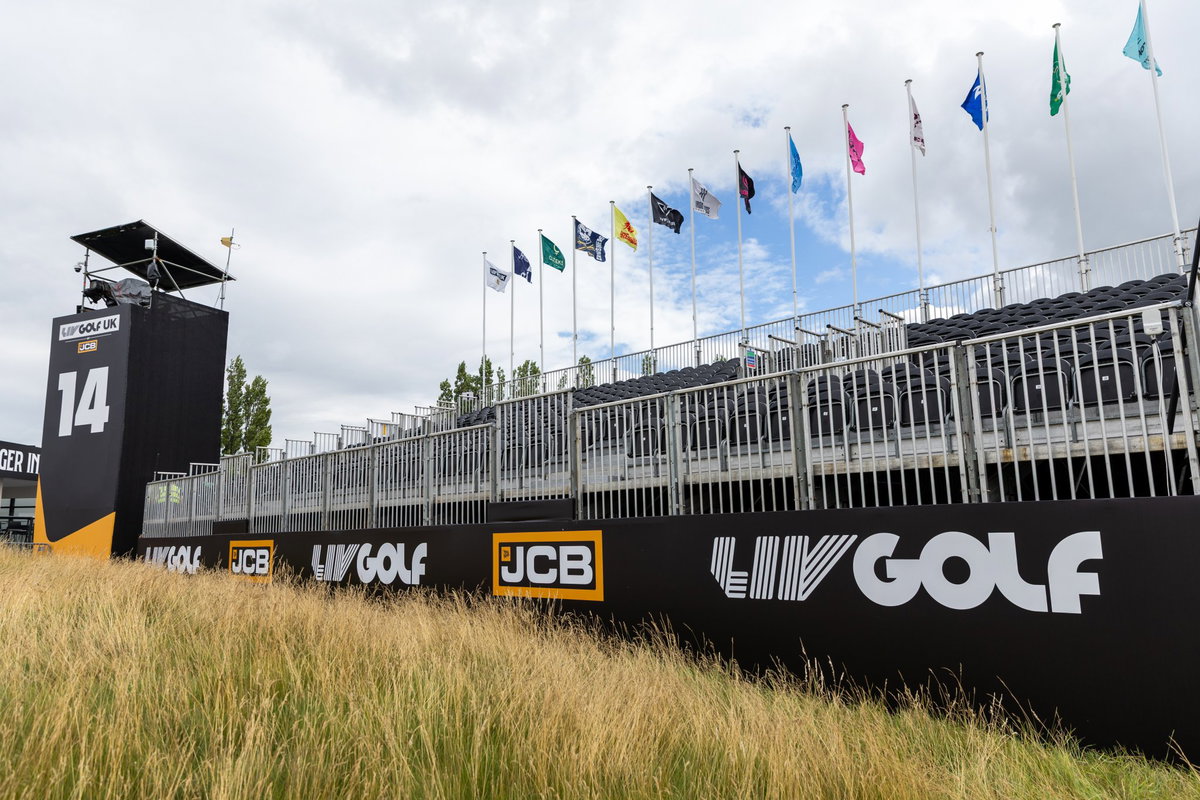
Since emerging in 2021, LIV Golf has transformed the landscape of professional golf. Pioneered by the financial support of PIF, the league attracted numerous high-profile golfers with promises of substantial payouts and an innovative tournament structure. Players were lured by guaranteed contracts, redefining their careers beyond traditional PGA Tour structures. The impact was immediate; the controversial league quickly established itself as a potent challenger to the PGA Tour, capturing both audiences and headline news.
However, the long-term sustainability of LIV Golf was always cast into doubt due to its heavy reliance on funding from PIF. As scrutiny grew over the league's business model, concerns about its viability loomed. Now faced with the imminent end of PIF’s financial support in 2026, LIV Golf’s future appears uncertain. Players like Rahm and DeChambeau are at a critical juncture, forced to reconsider their livelihoods and professional paths as competitive dynamics shift.
The future of LIV Golf players: a crucial crossroads
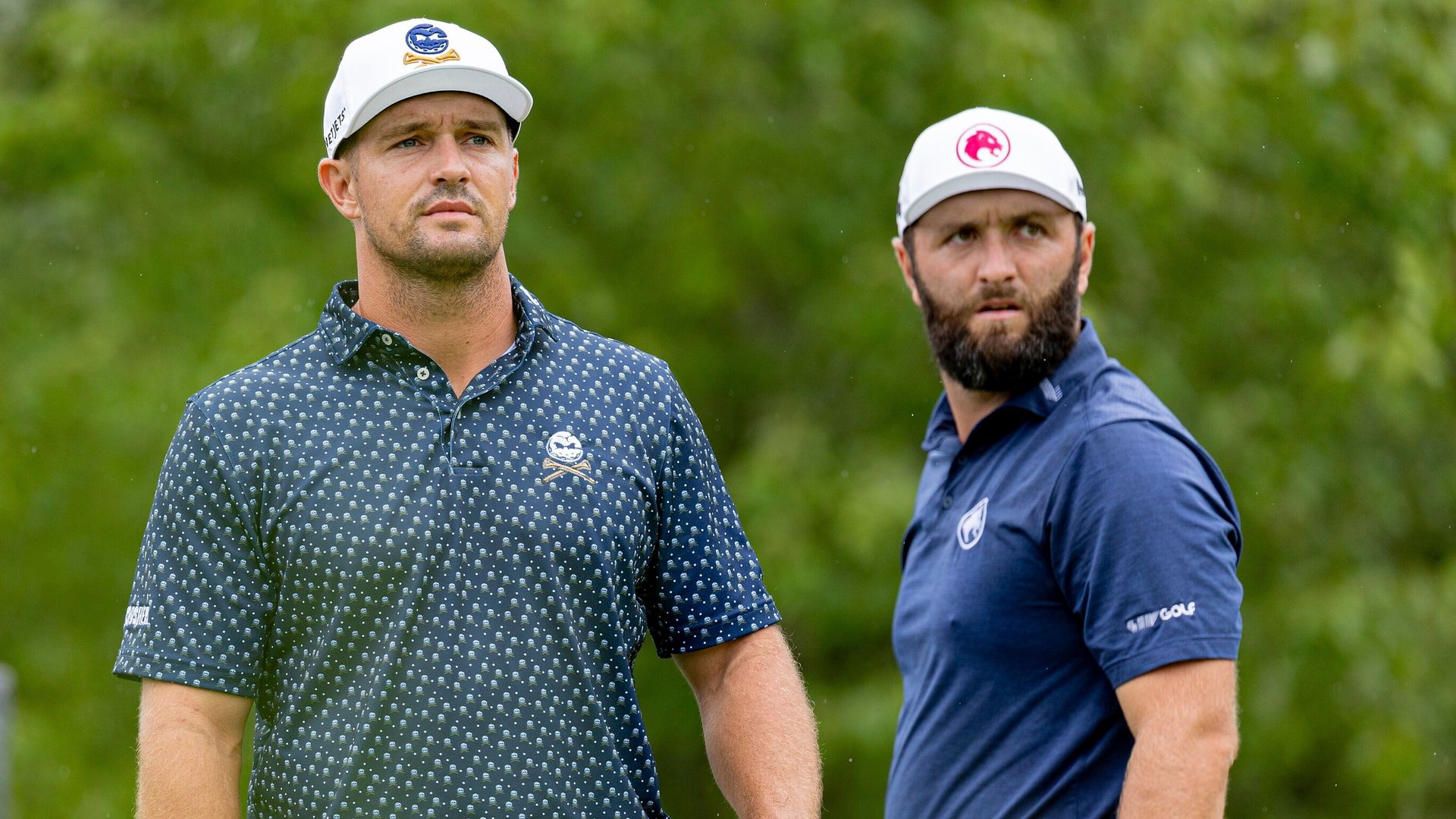
As two marquee names associated with LIV Golf, Jon Rahm and Bryson DeChambeau exemplify the tension now pervading the professional golf sphere. Rahm, currently ranking as one of the top golfers in the world, made headlines by leaving the PGA Tour enticed by the eye-catching financial incentives offered by LIV Golf. While he has experienced success within LIV's new framework, he has also had to confront negative perceptions from traditional golf fans, a challenge that will likely intensify should he seek to return to the PGA Tour.
Meanwhile, Bryson DeChambeau, famed for his unconventional strategies and remarkable power game, also transitioned to LIV Golf in search of novel opportunities. As they ponder their next moves, both players find themselves not only competing for titles but also rebuilding their images among fans who may have remained loyal to PGA Tour stalwarts during the turbulent shifts in professional golf.
The standards of the PGA Tour maintain a high bar, showcasing relentless competition alongside a culture steeped in history and tradition. Any return by top players like Rahm and DeChambeau would necessitate not just reconciliation within a probed fanbase but also a substantial commitment to reclaiming their elite status among established competitors.
In their own words
"At the end of the day, what matters is our love for the game. Expectations and perceptions come and go, but I’m dedicated to finding a path that allows me to compete at the highest level, wherever that may be."
— Jon Rahm
"This situation has made me reevaluate my priorities and how I want to contribute to the sport I love. I need to consider what my next steps are carefully."
— Bryson DeChambeau
What this means for golfers
The ramifications of LIV Golf’s shifting landscape extend beyond the immediate concerns of players like Rahm and DeChambeau, reverberating throughout the golfing community. For recreational golfers, this situation serves as a sobering reminder of the unpredictable nature of sports, particularly within the framework of financial incentives and sponsorship. Just as aspiring amateurs examine ways to thrive and adapt, so too must professional athletes and industry leaders navigate the uncertainties ahead.
Amateur golfers can glean insights regarding resilience and adaptability from the circumstances surrounding prominent figures in the sport. As professional landscapes evolve, recreational players can refine their skills, focusing on areas like physical training and mental toughness. Just as elite golfers must adjust to shifting dynamics, dedicated amateurs should embrace tenacity and openness to change in their pursuit of excellence.
What's next
With tension escalating around the future of LIV Golf, the next few years stand as a pivotal moment for players weighing their options. Talks regarding a possible return to the PGA Tour may initiate prior to the conclusion of PIF's funding in 2026, setting the stage for negotiations about re-establishing their presence in an increasingly competitive golf arena. As forthcoming tournaments unfold, eyes will be glued to the performance and reception of LIV-affiliated players, keenly observing how they navigate their careers amidst fresh challenges.
Golf enthusiasts should anticipate official announcements from the PGA Tour, with discussions likely revolving around strategies to reconcile ties with past star players. Whether the PGA Tour embraces a reunification strategy or adopts a different stance altogether will shape the future of not only Rahm and DeChambeau but of the professional golf ecosystem at large.