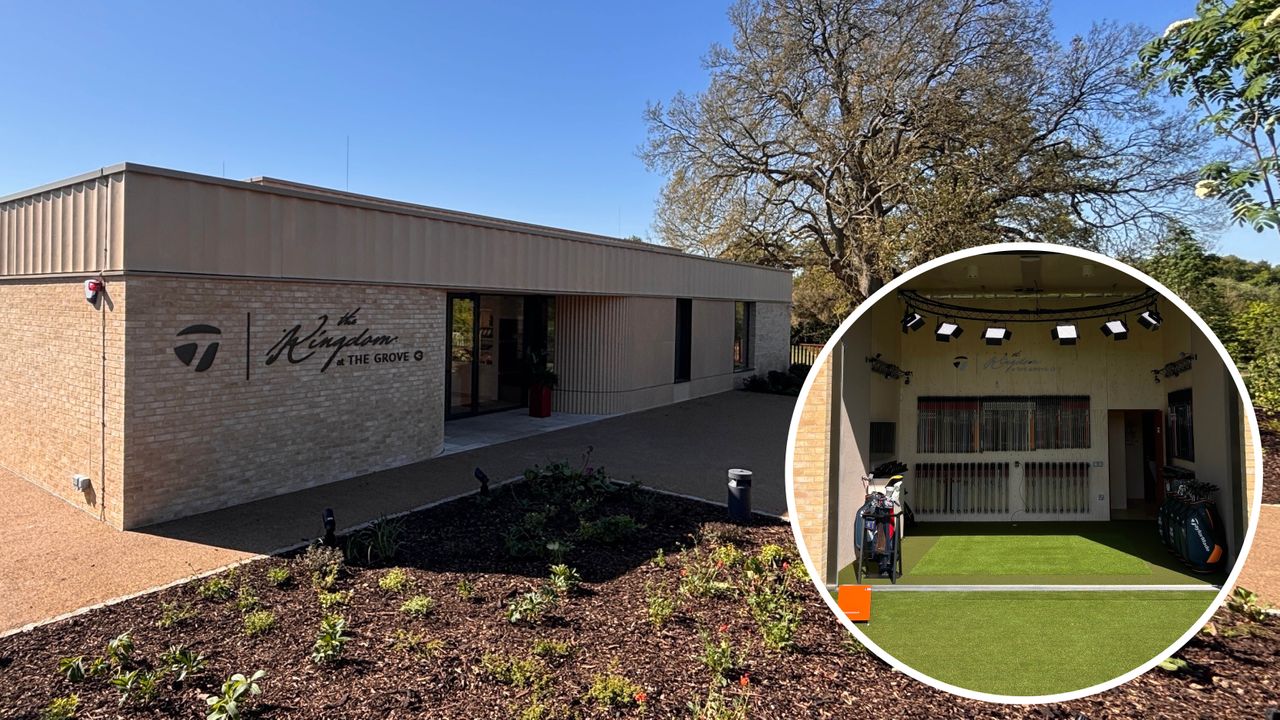


Intro paragraph
The anticipation for the opening tournament of the 2024 PGA Tour season is palpable as fans and players alike speculate about the perfect location to kick off the festivities. The latest episode of GOLF's Subpar podcast features insights from PGA Tour Executive Brian Rolapp, shedding light on crucial themes that could redefine the tour’s calendar. Amid these discussions, Cam Young's recent victory at The Players Championship adds a fresh energy to this upcoming season.
Key takeaways
- This season features six major themes proposed by Brian Rolapp that could reshape the PGA Tour landscape.
- Young's triumph at The Players Championship serves as a momentum builder as the new season approaches.
- The debate among fans and players about the ideal location for the season's first event remains robust and engaging.
- Rolapp highlighted a potential shift in organizational approaches to scheduling and fan engagement.
- Listener feedback is proving essential in discussions about the upcoming tournaments.
Context and background
The PGA Tour has experienced significant transformations over the past two decades, with its schedule evolving to meet the demands of players and the interests of fans. Traditionally, the season kicked off in October and concluded in September the following year. However, with the recent rise of LIV Golf and other competitive forces, an earlier start to the season is becoming more appealing for retaining fan engagement.
The inaugural 1968 season of the PGA Tour witnessed its first event in November, but as we enter the 2020s, discussions surrounding the season's start have become multifaceted. Under the leadership of Brian Rolapp, the PGA Tour is focusing on the importance of strategic planning and responsiveness to audience expectations.
The road to the new PGA Tour season
The recent episode of the Subpar podcast allowed hosts to dissect Rolapp's six proposed themes for the 2024 season, emphasizing alterations to the schedule, heightened fan engagement, and optimizing tournament locations to enhance both player performance and audience excitement.
“Starting the season in a location that resonates with fans is critical for maintaining engagement throughout the year. We want to make sure this kickoff creates anticipation and excitement for what's to come,” Rolapp said, underscoring the necessity of aligning with fans’ preferences.
In contrast, Cam Young's victory at The Players Championship has created a buzz for both the player and the upcoming season. His success symbolizes a turning point, not only in his career but also for fans who are now invested in his journey. “Winning The Players was a massive moment for me. Knowing that it happened just before the new season really adds to my anticipation. I can't wait to see how we can start this next phase of my career,” Young stated, highlighting the excitement that accompanies a fresh season.
In their own words
"Golf is about continuous improvement and adjustment, both in play and the overarching structure of the PGA Tour. We must always adapt to stay relevant to our audience."
— Brian Rolapp
What this means for golfers
The ongoing discourse surrounding the opening tournament’s location transcends mere logistics; it represents a broader evolution in the culture surrounding golf. For recreational golfers, these developments may deepen their appreciation for professional tournaments and the sport itself. Observing how elite players like Young approach their game can provide valuable insights into practice routines and mental strategies to optimize performance during their own rounds.
As the new season looms, amateur golfers can adopt lessons from tour professionals, informing their practice habits and considering how fan engagement plays a significant role in enhancing their connection to the sport. This growing relationship between fans and players could invigorate golf culture and foster a sense of community.
What's next
Looking ahead, the PGA Tour is gearing up to release its official schedule for the upcoming year, and whispers of exciting changes are already stirring within the golf community. Key decisions regarding potential venues that offer unique challenges and engaging experiences for fans are imminent. The months leading up to the first tournament will be filled with speculation as experts weigh in on the potential implications of these choices.
The decisions made now will undoubtedly set the stage for player performance and influence how fans engage with the sport. Golfers and enthusiasts alike should brace for what promises to be an exhilarating chapter in the PGA Tour's rich history, replete with fresh energy and new beginnings.


/https%3A%2F%2Fcdn.pijper.io%2F2026%2F06%2FRkUgIHk3UBT3tw1781080975.jpg)