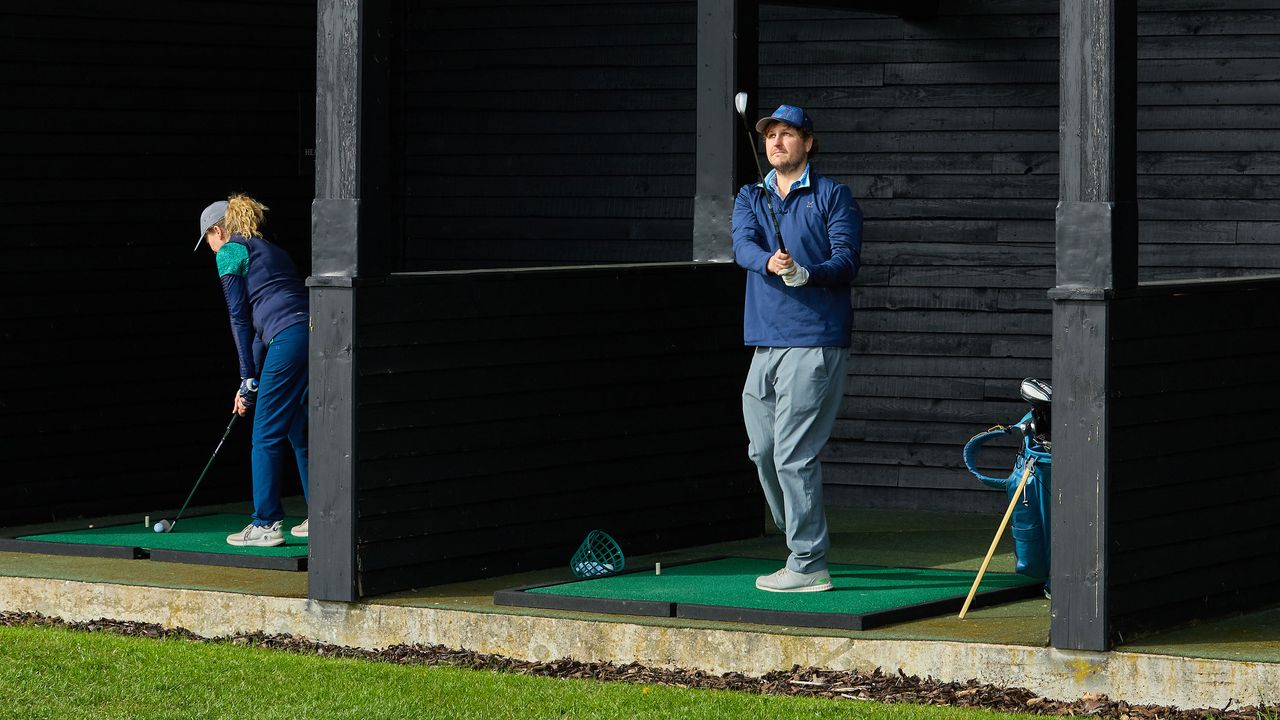
Why going to the range can sabotaging your game
As any golfer knows, the game can be as unpredictable as the wind on an open course. You might find yourself heading to the driving range, fully armed with new techniques, yet only to shoot your worst round in years just hours later. This paradox is a shared frustration among many players and raises a compelling question: Why doesn’t practice translate into consistent performance on the course?
Key takeaways
- Practice at the range does not guarantee success on the course.
- Different environments in practice and play can disrupt muscle memory.
- Golfers may overthink their swings after practicing specific techniques.
- The psychological impact of a bad round can stem from high expectations post-practice.
Context and background
The relationship between practice and performance is steeped in tradition within the sport of golf. Since the earliest days of the game, players have been encouraged to hone their skills through repetitive practice. Statistically, golfers generally report shooting their best rounds after engaging in warm-up sessions. Surveys have often indicated that nearly 70% of amateur players believe range time directly correlates with improved performance. However, the reality is often more nuanced, as many golfers report experiencing the opposite effect—shooting their worst rounds right after feeling warmed-up.
These experiences can stem from a variety of factors, including the psychological aspect as well as the tangible differences between the range environment and the course itself. In essence, hitting balls on a flat, controlled surface cannot replicate the challenges posed by real-life golf courses where uneven lies, varying grass types, and course conditions come into play. Swinging freely without the pressure of a scorecard often leads to unpreparedness when faced with the actual competition.
The range paradox: more practice, less performance
Understanding why practice at the range can lead to disappointing outcomes starts with recognizing a phenomenon known as "overthinking." Many golfers use their time on the range to make adjustments or work on new techniques. While this practice is a valid approach to improving your game, it can sometimes introduce an element of uncertainty that gets carried over into actual play.
For instance, a player who has worked consistently on their swing might find themselves hyper-aware of each aspect of that swing just before tee-off. This over-analysis can lead to mental blocks and hinder fluidity in performance. In essence, a swing fix that seemed intuitive at the range can transform into a source of anxiety under the pressure of a tournament or a competitive round.
Another critical aspect is muscle memory. Swinging repetitively at the range can hone muscle memory, but the stark contrast between range conditions and course settings can disrupt this connection. The impact surface of a driving range mat is not the same as that of a lush fairway or a challenging rough. Golfers may also face entirely different weather conditions on the course, which can play a significant role in how their club interacts with the ground and the ball.
In their own words
"Every time I hit the range, I'm convinced I'm getting better, but when I step foot on the course, it's like starting from scratch. It's frustrating."
— Amateur Golfer
“Practicing hard and going through swing thoughts should help, but when it doesn’t translate, it's disheartening. Often I think too much and end up sabotaging my own game.”
— Weekend Warrior
What this means for golfers
The pressure of wanting to perfect one’s game can push players to over-rely on range practice as a solution for performance issues. However, it's essential for golfers—both amateur and seasoned—to adopt a balanced approach. Rather than solely relying on time at the range, players should aim to build their skills in varied conditions that simulate actual course scenarios. For instance, utilizing short game areas and chipping greens can also enhance their performance.
Additionally, golfers should aim to focus less on technical aspects in competitive play and instead prioritize their mental approach. Mindfulness and acceptance of the game’s inherent unpredictability can lead players to feel more centered and confident on the course.
What's next
In embarking on a new golf season following this understanding, golfers should keep an eye on how they develop their practice routines. Engaging in dry-runs or practice rounds that emphasize situational play can help in translating range success into on-course performance.
As the golf community evolves, it becomes increasingly evident that a holistic approach to practice—one that balances physical, technical, and mental aspects—will serve players better than traditional methods. Golfers would be wise to remember that every stroke matters and that improvement often comes not just from perfecting swings but from mastering the art of playing the course itself.



/https%3A%2F%2Fcdn.pijper.io%2F2026%2F04%2FwR2YF7PEAYYxBZ1777524315.png)