Intro
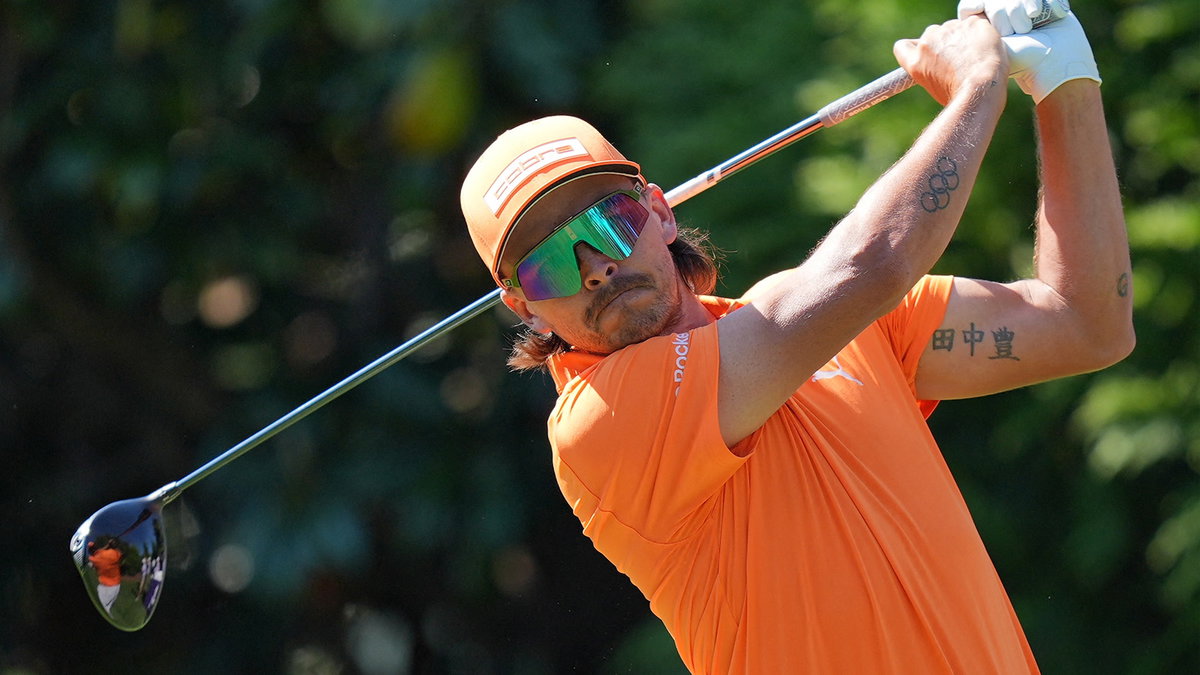
In a move that's capturing attention at the PGA Championship, Rickie Fowler has opted for a driver that is the length of a 3-wood. This unconventional choice raises eyebrows and invites inquiries into the strategies that drive elite competitors to make distinctive design choices for the season's most significant events. As the tournament unfolds at Aronimink, the implications of Fowler’s big stick become a focal point of discussion among fans and analysts alike.
Key takeaways
- Rickie Fowler is using a 3-wood-length driver at the PGA Championship.
- This choice diverges from traditional driver specifications, offering unique advantages.
- Fowler's equipment decision aims to enhance accuracy and control off the tee.
- His unconventional setup may influence amateur golfers’ equipment choices.
- The PGA Championship serves as a crucial platform for showcasing innovative golfing strategies.
Context and background
Rickie Fowler has long been a beloved figure on the PGA Tour, known for his engaging personality and unique style of play. Historically, he has been celebrated for his precision and approach rather than raw power. This latest equipment choice appears to reflect a growing trend among professional golfers to utilize modified setups that prioritize accuracy over brute distance.
In recent years, statistics have highlighted the increasing importance of driving accuracy in professional golf. According to the PGA Tour's Strokes Gained metrics, players who maintain a higher accuracy percentage from the tee often outperform their peers in overall scoring. Given this context, Fowler's decision to adopt a shorter driver aligns with a strategic shift that emphasizes shot control—the very cornerstone of successful golf.
Fowler's equipment strategy: the big stick at Aronimink
Fowler's switch to a 3-wood-length driver can be seen as a tactical maneuver to adapt to the challenging course conditions at Aronimink. The course, known for its tight fairways and strategically placed hazards, demands that golfers exhibit a high level of precision. By opting for a longer club that mirrors a 3-wood, Fowler enhances his ability to keep the ball in play, thereby mitigating the risk of errant shots that could lead to costly scores.
Statistically, Fowler ranks among the top players in terms of approach shots from the fairway, a trait that will only be amplified by his latest equipment choice. His career is highlighted by numerous top-10 finishes and impressive performances in major tournaments, with his most notable achievements including five PGA Tour wins and a best finish of second in the 2014 PGA Championship. These credentials suggest that Fowler's latest decision is backed by a wealth of experience and understanding of course dynamics.
The influence of modern golf technology cannot be overstated. Clubs are being tailored to meet the specific needs of players, allowing for innovations that promote accuracy. With the customization of clubs becoming commonplace, Fowler's choice could serve to inspire other players to consider alternatives that might better serve their games, particularly when faced with courses where precision rules over sheer distance.
In their own words
"I've always believed that the right equipment can make a big difference, especially in key tournaments. This driver gives me the control I need to succeed at Aronimink where every shot counts."
— Rickie Fowler
What this means for golfers
Fowler's unconventional driver may have broader implications for amateur golfers seeking to optimize their performance on the course. Recreational players often rely on conventional driver lengths, but Fowler's switch highlights the value of customization based on individual playing styles. This unique approach encourages golfers to consider how their equipment can better align with their game, particularly if they struggle with accuracy.
Additionally, golfers may find value in testing shorter-length drivers or experimenting with hybrids that offer a blend of distance and control. Equipment experts often advise players to seek clubs that best fit their swing mechanics and course conditions rather than conforming strictly to the prevailing trends.
What's next
Looking ahead, the implications of Fowler's unique strategy at the PGA Championship will undoubtedly be discussed in the lead-up to future tours and related events. Fans and players alike will be eager to see how the club performs under competitive pressure and whether Fowler's results validate his choice. Moreover, the golf community will likely keep an eye on upcoming tournaments to see if other players will follow suit and test similar equipment choices, potentially paving the way for further innovations in the golf equipment landscape.