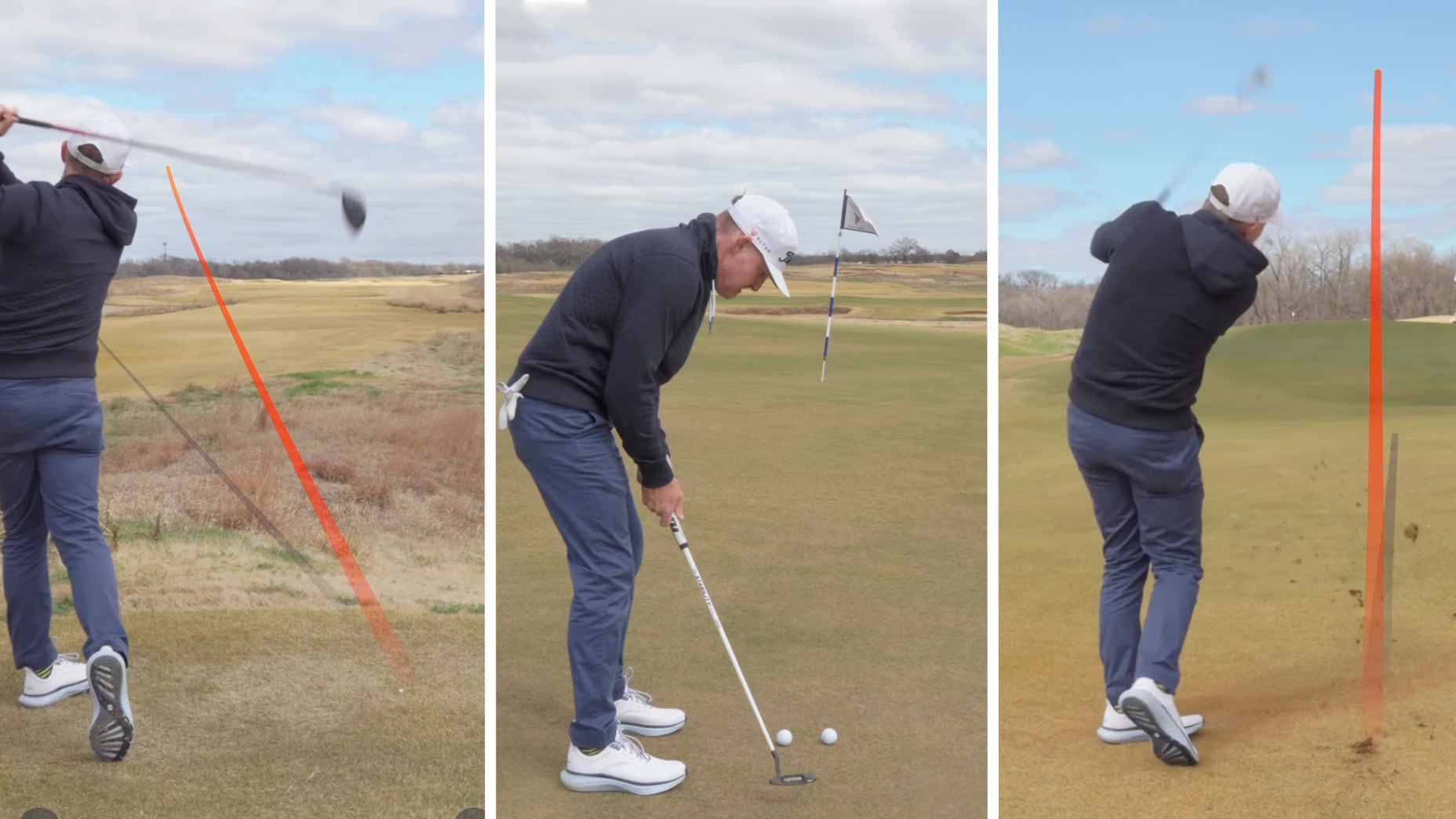


Introduction
The journey to mastering the perfect golf swing often resembles climbing a steep hill: it requires patience, practice, and sometimes, a willingness to slow down. This paradox of progression—where success comes from reducing speed—has been highlighted by GOLF Top 100 Teacher Tony Ruggiero. By embracing a slower approach to swing mechanics, golfers can significantly enhance their technique and consistency.
Key takeaways
- Slower swings help golfers to better ingrain new movement patterns.
- Practicing at reduced speed minimizes tension and promotes fluidity.
- Tony Ruggiero emphasizes the importance of rhythm over pace.
- Improving swing consistency can lead to lower scores on the course.
- Utilizing slow practice can help prevent the development of bad habits.
Context and background
Over the years, golf instruction has evolved, with a strong emphasis on biomechanics and the physics of motion. Golfers have been trained to swing harder and faster, often leading to inconsistency and tension that can hinder performance. Historical figures in the sport, like Sam Snead and Ben Hogan, had famously smooth swings that illustrated the elegance of rhythm over sheer speed. Modern golf schools, including Ruggiero’s methods, are returning to this foundational principle: mastering movement patterns by practicing slowly takes precedence over speed.
This approach is not just anecdotal—research shows that slower practice can enhance motor learning. In a study focusing on skill acquisition, it was found that slower performance leads to higher retention rates and deeper learning of movements. For golfers, this means that spending time training with a deliberate pace can solidify new techniques far more effectively than rushing through drills.
The value of a slow swing for better fundamentals
Ruggiero advocates for a swing speed that allows golfers to feel every element of their movement. The act of swinging slowly magnifies the mechanics involved, allowing players to specifically focus on grip, posture, alignment, and follow-through without the distractions of speed and power. A slower swing encourages a fundamental connection with the club, promoting awareness of how each body part contributes to the overall motion.
For instance, a golfer struggling with their follow-through might benefit from isolating this element at a slower pace. By doing so, they can develop the muscle memory needed to execute a successful follow-through in a full-speed swing. Renowned for his methods, Ruggiero has noted that his students often experience breakthroughs in their games by embracing this slow-swing philosophy.
As golfers acclimate to this slower tempo, they often report a reduction in tension throughout their swings. This newfound fluidity can translate directly to improved shot accuracy, as muscle stiffness is known to lead to errant shots. Additionally, a relaxed swing approach can lead to improved distance and trajectory, further enhancing a golfer's overall game.
In their own words
“When you swing slowly, you can really feel what your body is doing. It's about connecting with the swing, not just trying to smash the ball.”
— Tony Ruggiero
“I started practicing slower and noticed how much more in control I felt. It helped me with my tempo—every part of my game has improved.”
— Student of Tony Ruggiero
What this means for golfers
For recreational golfers, adopting a slower swing practice can have a significant impact. Instead of succumbing to the urge to power through every shot, players can learn to value the nuances and mechanics of their swings. Equipment-wise, players should consider using training aids that encourage slow swinging, such as weighted clubs or resistance bands. These tools not only strengthen muscles but also promote better form and technique when practicing. Additionally, golfers can make their practice sessions more effective by incorporating slower swings routinely, leading to gradual but meaningful improvement.
What’s next
As the golf season continues, players should keep an eye on their practice strategies in light of the insights shared by coaches like Ruggiero. Upcoming tournaments offer perfect opportunities to implement a solid routine that focuses on slow, controlled swings. Engaging with coaching clinics or workshops focusing on this method may also provide golfers with further guidance on refining their swings without the pressure of performance distractions. By integrating the philosophy of 'slow is better,' golfers can work towards a more consistent and pleasurable on-course experience, ultimately leading to lower scores and increased enjoyment of the sport.