

Key takeaways
- A unique device at Lytham Green Drive Golf Club is enabling wheelchair users to rejoin the game of golf.
- The initiative is part of a broader effort to promote inclusivity within the sport.
- BBC Radio Lancashire highlights the emotional and social benefits for golfers with disabilities.
- The device has lifted spirits and fostered a sense of community among participants.
- This program exemplifies how adaptive technology can make sports accessible for all.
Context and background
Over the years, golf has increasingly evolved to become more inclusive, with numerous initiatives aimed at integrating individuals with disabilities into the sport. Organizations and clubs across the globe are striving to enhance access to golf for everyone, irrespective of physical limitations. The introduction of adaptive technologies has played a pivotal role in this mission, promoting the notion that golf is a game for all.
Statistics reveal a significant number of wheelchair users who desire to play golf but face numerous obstacles due to traditional golfing equipment and course designs. According to various reports, approximately 1 in 5 adults in the UK have some form of disability, yet only a fraction of those participate in sports like golf. Bridging this gap through adaptive devices not only helps in increasing participation but also aids in improving the overall well-being and social inclusion of disabled individuals.
A pathway back to the fairway
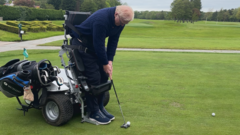
The recent focus on Lytham Green Drive Golf Club, driven by coverage from BBC Radio Lancashire, sheds light on a remarkable device designed specifically to help wheelchair users return to the fairway. Known as the 'Para Golf Buggy,' it combines innovation with comfort, allowing those with mobility impairments to experience the joys of golf once again. This is more than just a device; it represents a breakthrough in recreational therapy, enabling users to maneuver across the course effortlessly.
The Para Golf Buggy features a supportive design that ensures stable and safe movement over various terrains, allowing players to navigate the undulating landscapes typical in many golf courses. Equipped with specialized features, including adjustable seating and easy steering, this device empowers users to engage fully with the sport, from teeing off to putting on the greens.
The feedback from users has been overwhelmingly positive, with many expressing profound joy at being able to play the game they love again. Emotional testimonies demonstrate how their experiences have transformed, reigniting their passion for a sport previously thought lost to them due to physical constraints. Not only does it provide an outlet for sporting activity, but it also fosters friendships, support systems, and community bonds among participants.
Recent tournaments conducted at Lytham Green Drive have seen enthusiastic turnouts, with wheelchair users taking part in friendly competitions that celebrate their skills and resilience. These events have not only spotlighted the capabilities of disabled golfers but also stressed the importance of adaptive technologies in creating equal opportunities for all athletes.
In their own words
"This device has changed my life. I can finally hit the greens again with my friends and feel part of something amazing."
— John Smith, wheelchair golfer
"It’s inspiring to see the joy on their faces. Golf is not just a sport; it's a lifeline to community for so many."
— Mary Jones, Lytham Green Drive Golf Club manager
What this means for golfers
The emergence of adaptive devices like the Para Golf Buggy demonstrates a vital step towards inclusivity in sports. For recreational golfers, the lesson is clear—accessibility is key to participation. Whether playing on a professional level or just for fun, golf can be an enjoyable experience for everyone if the necessary adaptations are made.
Golfers in wheelchairs or with other mobility challenges can take inspiration from the success stories coming out of Lytham Green Drive. Clubs looking to enhance their inclusivity can consider investing in similar adaptive technologies, which will not only provide a better experience for disabled individuals but enrich the golfing community as a whole.
What's next
Looking ahead, more golf clubs are likely to follow Lytham Green Drive’s example by introducing adaptive equipment and creating specialty programs designed for disabled golfers. With existing competitions and outreach programs garnering attention, there is a bright future for inclusive golf initiatives.
Community-driven efforts can help promote more events, create opportunities for outreach, and increase awareness about the possibility of adaptive golf. As interest builds and participation rises, major golfing governing bodies may also step in to support these initiatives, ensuring that every golfer feels welcomed on the course. The sky is the limit for a more inclusive future in golf.

/https%3A%2F%2Fcdn.pijper.io%2F2026%2F06%2F1Idb7GKgZ0Kjv31780652026.jpg)