

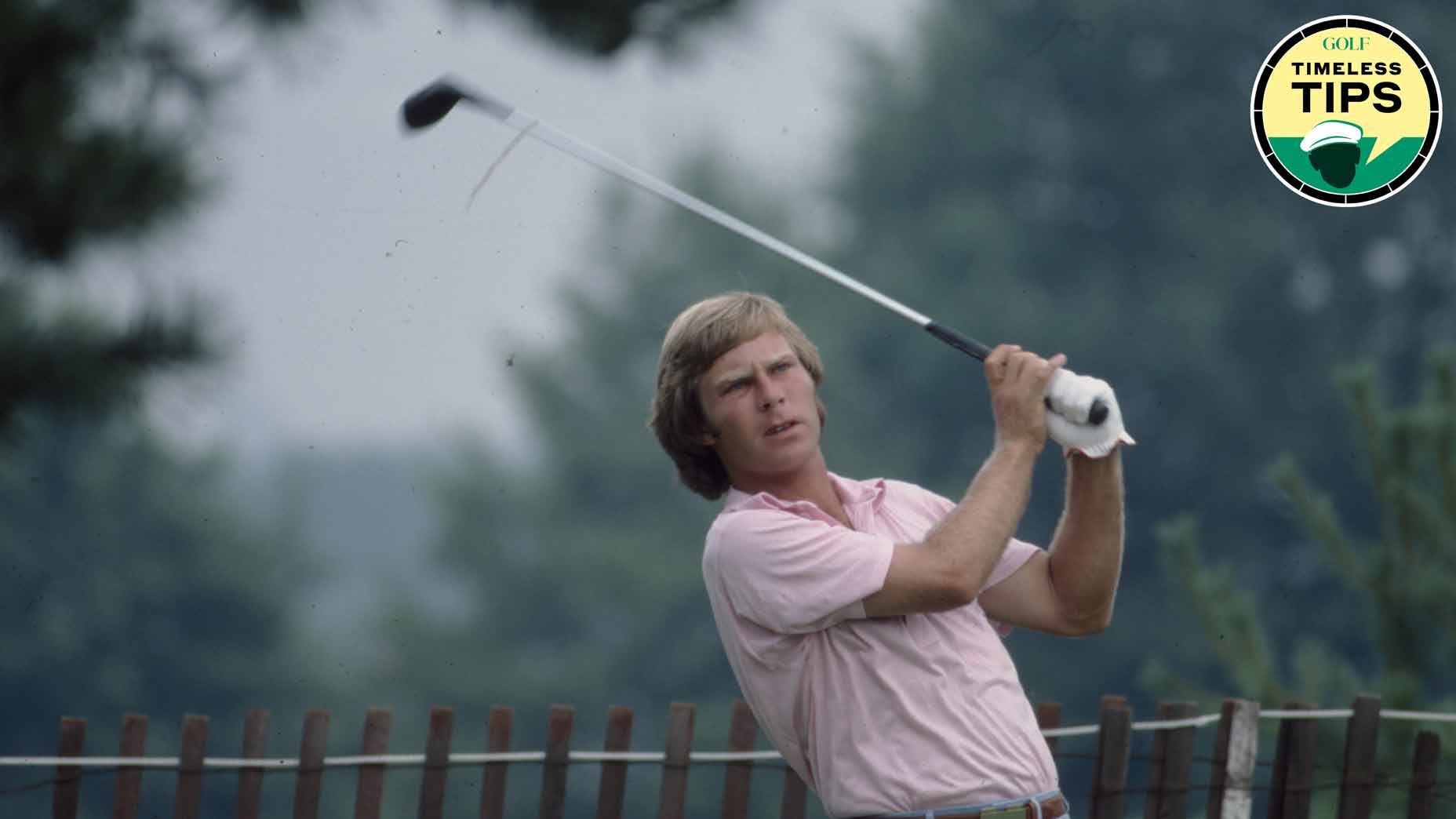
Intro paragraph
In the pursuit of striking perfection on the golf course, swing tempo often remains an overlooked aspect of a player's game. Legendary golfer Ben Crenshaw, known for his impeccable rhythm and fluid swing, recently shared eight key principles that can help golfers develop a smoother swing tempo, ultimately leading to better ball striking and consistency.
Key takeaways
- Crenshaw emphasizes the importance of a smooth tempo for solid ball striking.
- He provides eight essential keys that golfers of all levels can implement.
- The principles focus on maintaining rhythm and balance throughout the swing.
- Improving swing tempo can lead to greater consistency and distance.
- Crenshaw’s insights are rooted in his own successful career and mastery of the game.
Context and background
Ben Crenshaw's career boasts an impressive list of accolades, including two Masters titles and a prominent role in U.S. golf history. Known for his artistry on the greens, Crenshaw’s success can be attributed to a deep understanding of the golf swing, particularly the tempo and rhythm involved. Historical statistics show that golfers with better tempos tend to have lower scores. For instance, during his prime, Crenshaw averaged around 70.65 strokes per round. This ability to maintain a serene tempo contributed heavily to his overall performance, and that wisdom is something he imparts to golfers today.
Finding the right rhythm: Ben Crenshaw’s keys to a smooth swing
Crenshaw's eight keys for achieving a smooth swing tempo are not only easy to understand but also applicable to golfers of every skill level. Each principle serves as a reminder of the essential components that nurture a beautifully synchronized swing. Here are the eight keys:
- Pace yourself: Crenshaw emphasizes starting your swing with patience. A rushed beginning can lead to a disjointed swing.
- Feel the rhythm: Practicing without a ball can help golfers develop an internal sense of timing. Hitting balls later with a focus on rhythm can lead to better outcomes.
- Breathe easy: Keeping your body relaxed is essential. Deep, calming breaths can help maintain that smooth tempo during each swing.
- Focus on connection: Ensuring that arms and body move together creates a more fluid motion. Crenshaw advises golfers to practice this connection by hitting shots while emphasizing upper and lower body synergy.
- Listen to the swing: Golfers are encouraged to pay attention to the sounds of their swing. A smooth, consistent whoosh indicates a well-timed action.
- Practice with purpose: When on the range, deliberate practice can help golfers work on specific aspects of their swing tempo. Crenshaw suggests training with various clubs to get a feel for different rhythms.
- Visualize the shot: Before each swing, envisioning the desired outcome can help golfers adopt a rhythm that aligns with their intention.
- Stay present: Crenshaw argues that maintaining focus on the present moment prevents distractions that can disrupt the flow of a smooth swing.
Incorporating these eight keys into practice sessions can help golfers enhance their swing and, ultimately, their scores on the course.
In their own words
"Tempo is something you have to feel, not just think about. The mind should be calm and stay in tune with the rhythm of the swing."
— Ben Crenshaw
"I believe in finding your own tempo; my keys are simply a guide to help you on that journey."
— Ben Crenshaw
What this means for golfers
The insights shared by Crenshaw offer not only a roadmap to improving swing tempo but also valuable lessons in how to practice effectively. Recreational golfers can apply these principles by focusing on rhythm and deliberate practice. Techniques like visualization and connecting breath to movement can significantly enhance performance. Additionally, golfers looking to buy new clubs should consider how their equipment choices may influence tempo, opting for options that support a fluid swing style.
What's next
As this season unfolds, golfers will have ample opportunities to apply Crenshaw's insights in competitive settings. Upcoming events on the PGA Tour will showcase elite players honing their swings, with many likely taking note of the tempo advice shared by the two-time Masters champion. Amateur players can also join the conversation by incorporating these principles into their games, with the hope of achieving that elusive smooth swing. The goal remains: to make strides toward a more rhythmic and consistent performance on the golf course.