How to dial in your putting stroke before every round
Every golfer knows that putting can make or break a round. Whether you’re aiming for par or trying to secure a birdie, a consistent putting stroke is essential. Drew Stoltz, a prominent golf influencer and former collegiate player, has shared a straightforward pre-round putting routine that can elevate your game and enhance your confidence on the greens.
Key takeaways
- Drew Stoltz emphasizes a pre-round putting routine to ensure consistency.
- A few minute warm-up can drastically improve your accuracy on the green.
- Focusing on the pace of your stroke is essential for directional control.
- Incorporating visualization techniques can enhance performance and reduce anxiety.
- The right mental approach is as important as technical skills in putting.
Context and background
The putting game is often overlooked by amateur golfers, yet it contributes between 40-50% of total strokes in an average round according to the USGA. This essential skill can make the difference between shooting a personal best and posting a disappointing score. Historically, even the best players have acknowledged the importance of a dependable putting stroke; legends like Jack Nicklaus and Tiger Woods have spent countless hours perfecting their technique. Given the significant impact pretournament preparation has on overall performance, establishing a reliable routine is crucial for golfers of all levels.
Drew Stoltz's effective putting routine
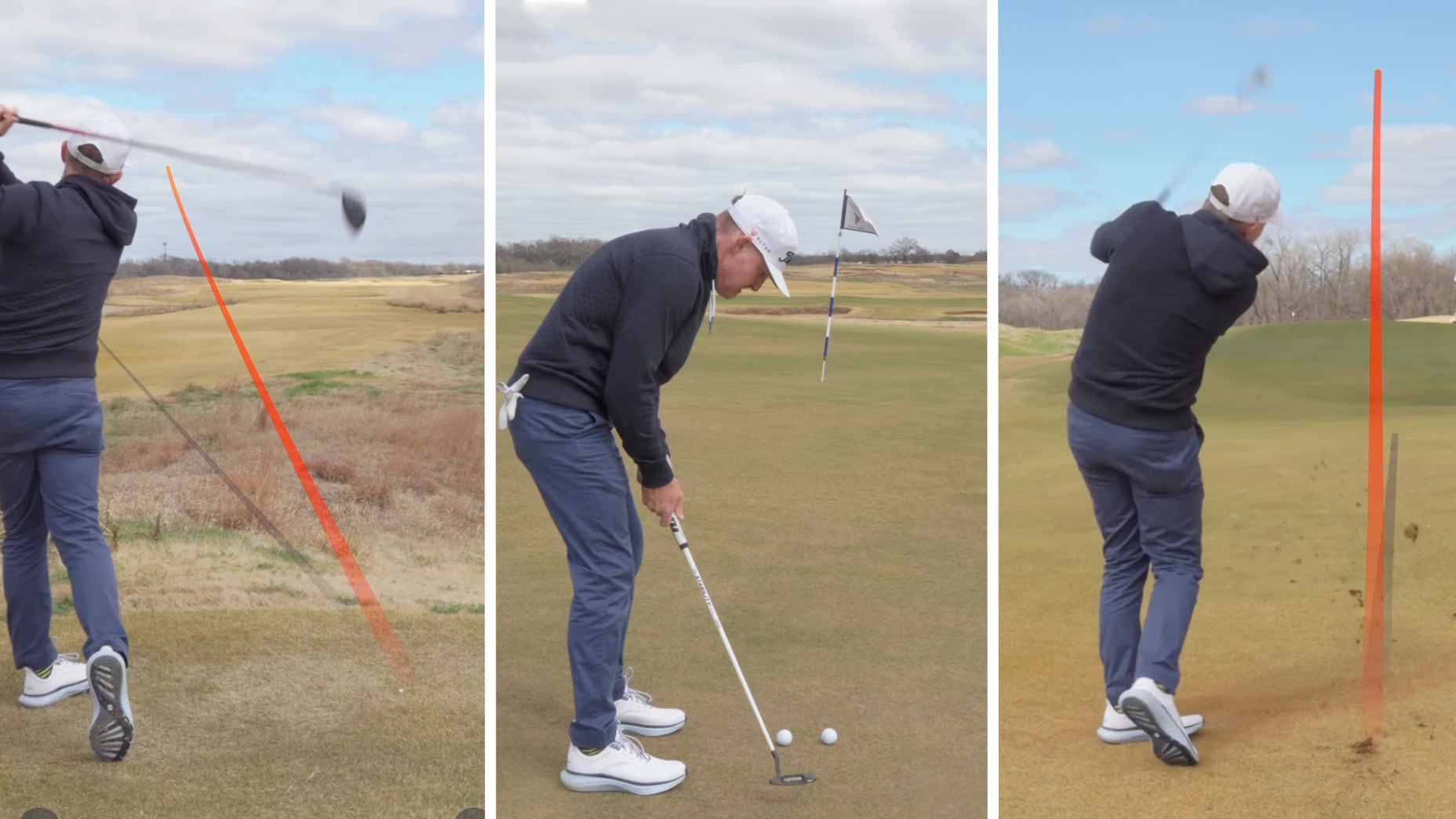
Stoltz, known for his insights into improving golf play, advocates for a clear and deliberate warming up before stepping onto the course. His routine is designed to focus on both the mechanics of putting and the mental aspects that accompany the game.
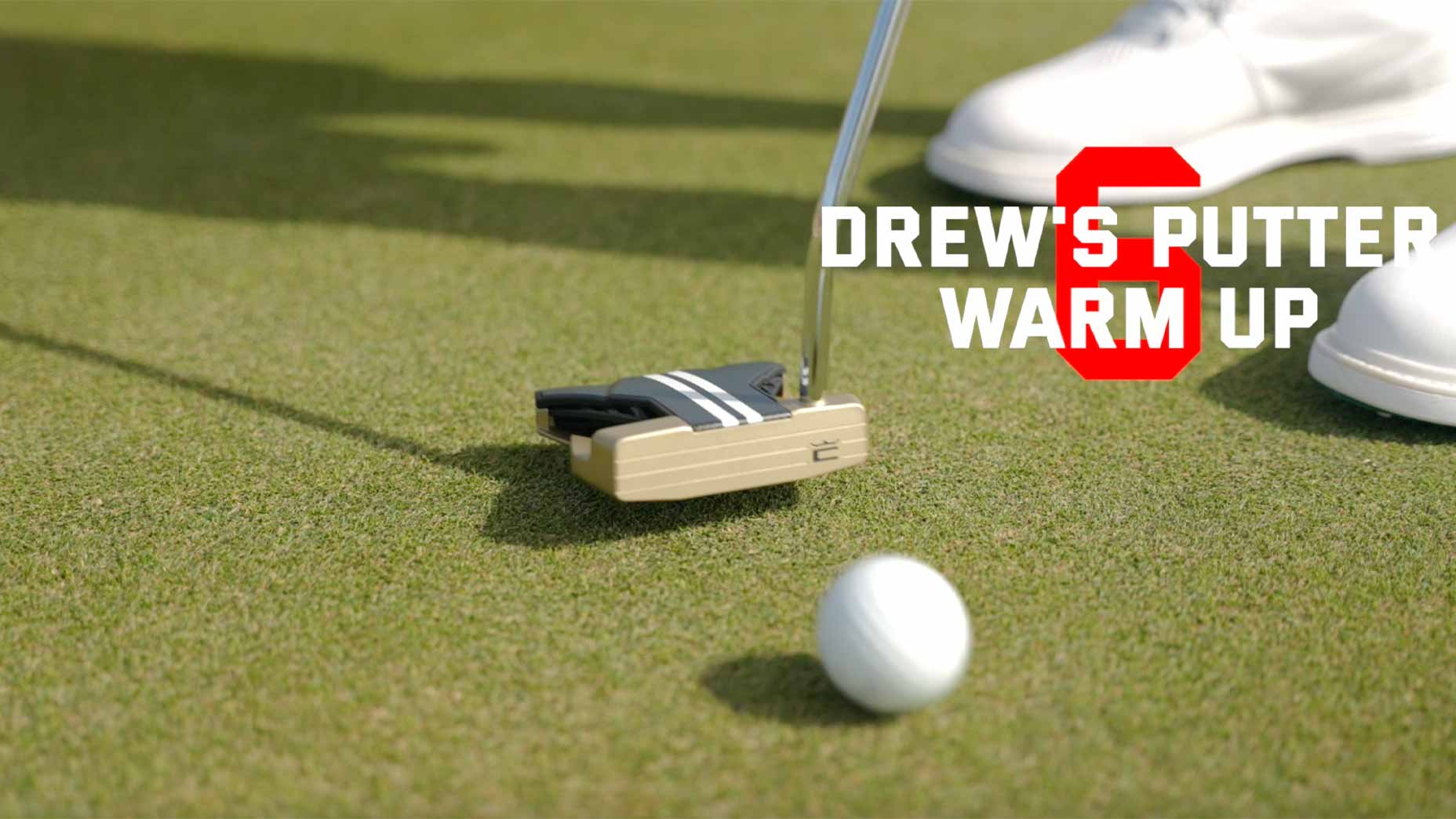
The first step in Stoltz's routine is a brief physical warm-up that includes stretching and light exercises to enhance flexibility. He believes that a relaxed body contributes significantly to a smoother putting stroke. Next, he recommends practicing with a few essential drills. Here’s a breakdown of Stoltz's approach:
- Start with short putts: Focusing on 3- to 5-foot putts can help build confidence. Stoltz suggests making at least 10 consecutive putts before moving to longer distances.
- Focus on pace: In addition to accuracy, determining the appropriate speed for different greens helps with distance control. Stoltz advocates for a few drills where golfers practice putting to specific markers.
- Use visualization: Before taking a putt, visualize the ball's path to the hole. This mental practice can help reduce nerves and promote focus.
- End with longer putts: Once comfortable with shorter putts, Stoltz advises golfers to practice 10-15 footers, concentrating on maintaining the same stroke mechanics used for the shorter ones.
Stoltz stresses that this routine doesn't have to take much time—ideally 15-20 minutes—and can significantly enhance a player's confidence heading into the round.
In their own words
"Putting is a game of feel. If you don't feel good about your stroke before a round, it's hard to sink those 5-footers with confidence."
— Drew Stoltz
"The mental side of putting is often overlooked. Visualization can be as powerful as practicing the stroke itself."
— Drew Stoltz
What this means for golfers
For recreational golfers, Stoltz's routine can be a game-changer. By dedicating time to practice and emphasizing both the technical and mental components of putting, players can experience improved performance on the course. It's crucial to remember that every golfer will respond to different techniques and routines, so experimentation is key. Moreover, investing in quality putting greens or practice aids can provide more tailored practice environments.
Overall, adopting a short but focused routine prepares players mentally and physically, allowing them to approach the greens with assurance. Incorporating Stotlz's principles can make those challenging putts less intimidating and increase the possibility of regular low scores.
What's next
As we move into the peak golfing season, many players will be looking to refine their putting skills as tournaments approach. Competitive players may consider leveraging that newfound confidence gained from a solid routine during practice to enhance performance during events. For upcoming tournaments, players should pay attention to how while venues may affect greens' speed and shape, the mental aspect will remain paramount as a pivotal factor in putting success. Evaluating progress post-round after employing Stoltz’s methods could provide valuable insights into what adjustments may be necessary for next time on the green.