
Introduction
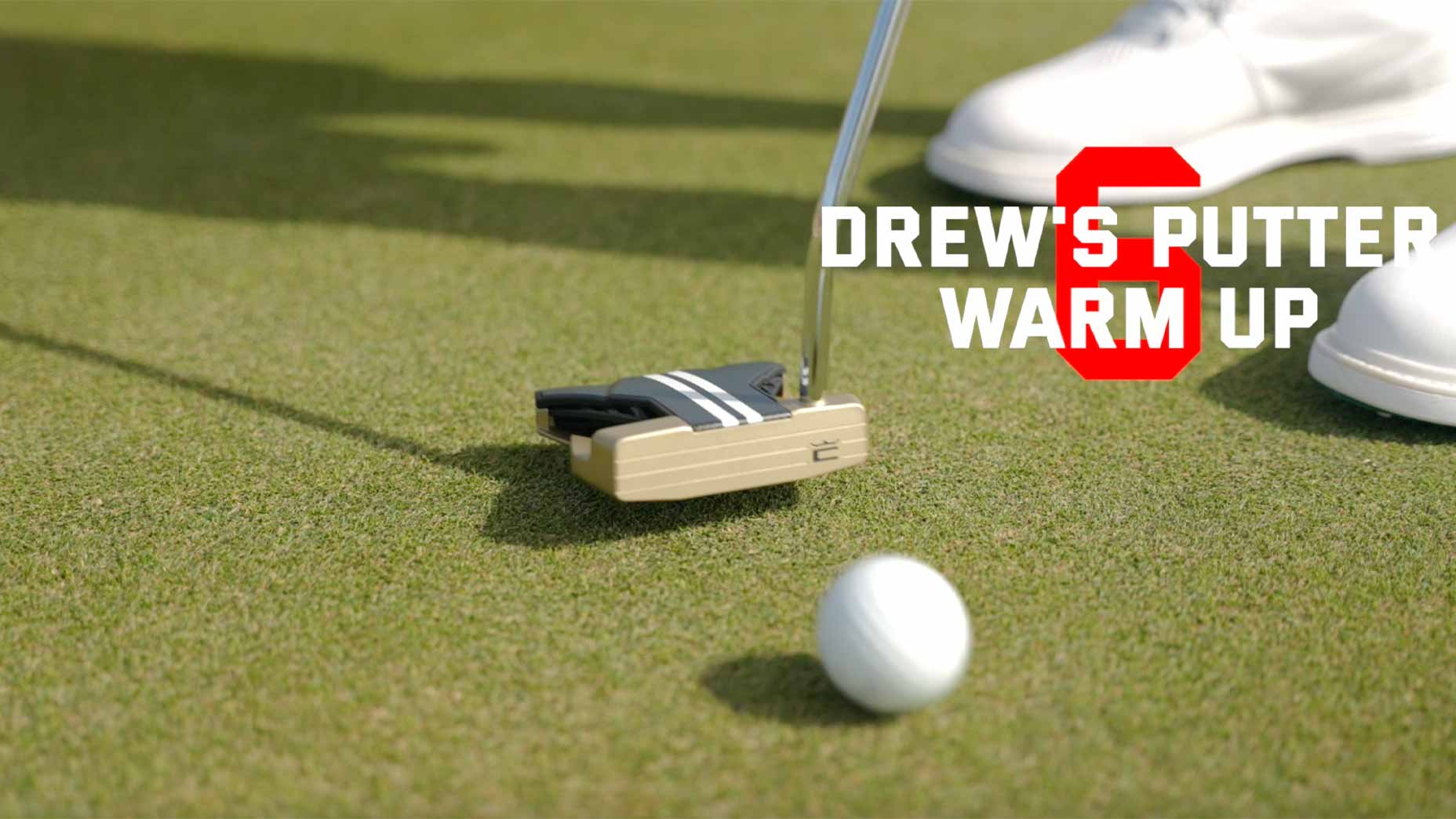
In a quest to uncover the effectiveness of innovations in putting technology, our equipment editor embarked on a six-month journey with a zero-torque putter, aiming to determine its impact on stroke consistency and overall performance. As golfers constantly seek methods to enhance their game, the introduction of zero-torque technology claimed to minimize unwanted twisting during the putting stroke. What began as an exciting venture into the world of high-tech golf gear concluded with some intriguing revelations.
Key takeaways
- The zero-torque putter was tested over six months to analyze its effectiveness in improving putting strokes.
- The editor reported minimal improvements in consistency and performance compared to traditional putters.
- Despite the technology aimed at reducing torque, the editor found a more natural feel with conventional models.
- The experimentation raised questions about the value of specialized equipment in enhancing a golfer's overall game.
- This review highlights the subjective nature of club selection and the importance of personal feel in golf equipment.
Context and background
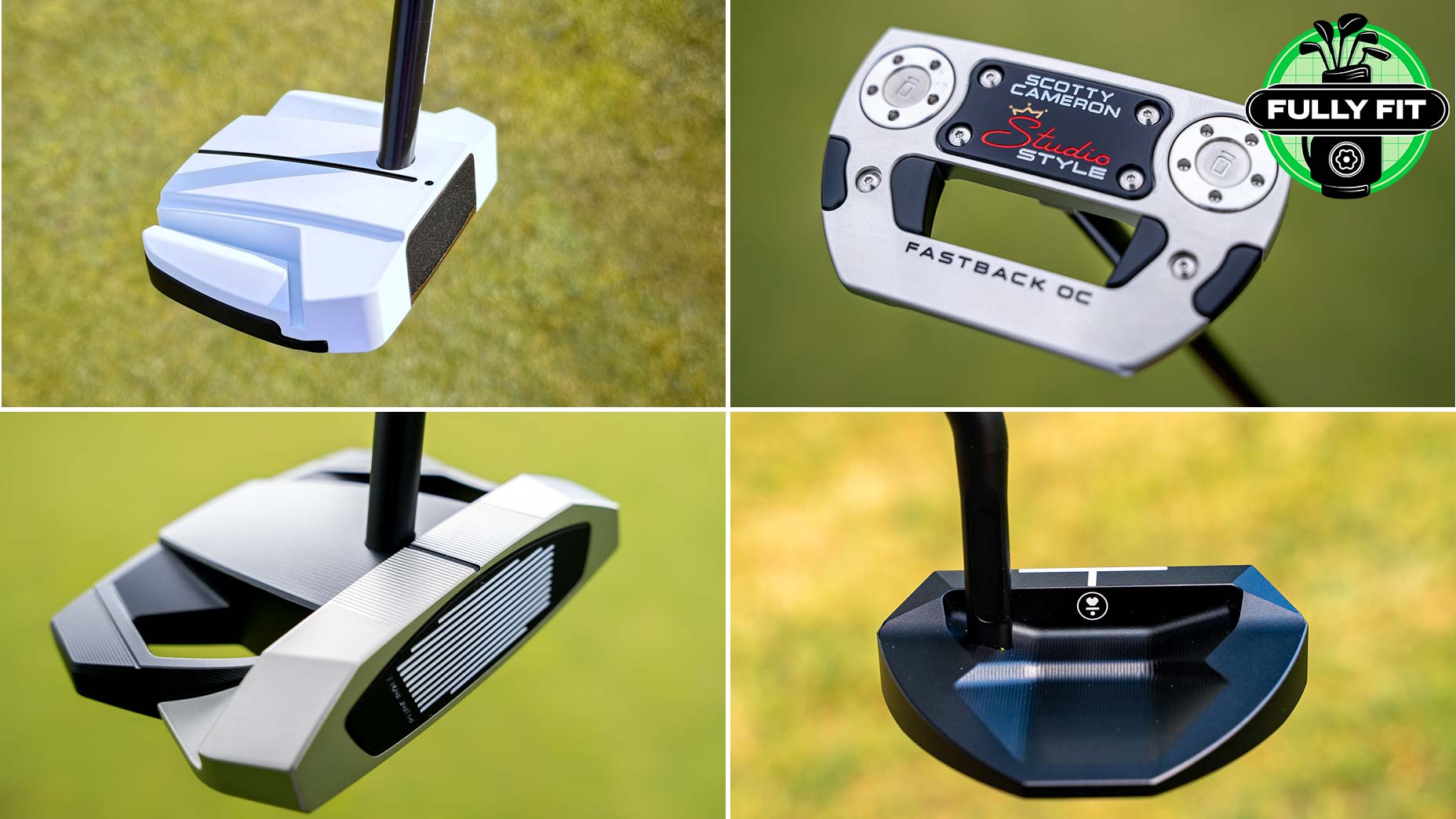
Putting is often regarded as one of the most crucial components of the game, contributing significantly to a player’s overall score. While there have been various advancements in club technology, the concept of low-torque or zero-torque putters has made waves in the golfing community. Designed to minimize twisting during the stroke, these putters are engineered to maintain a stable head position for enhanced accuracy.
Statistically, over 40% of total strokes in a round of golf are attributed to putting. With such a substantial impact, the introduction of new technologies, like zero-torque putters, aims to help golfers of all skill levels improve their performance on the greens. Despite their growing popularity, the effectiveness of specialized putters often remains disputed.
Evaluating the zero-torque putter experience
The six-month trial began with ample optimism. Equipped with a zero-torque putter, the editor anticipated that the technology would lead to notable improvements in stroke consistency, distance control, and hole-in-one potential. Initially, the results seemed promising. The putter's design incorporated counterbalancing techniques, effectively diminishing unwanted twist, especially during longer putts.
However, as the trial progressed, the editor began evaluating the putter against conventional models. While the zero-torque technology achieved its goal of reducing torque, it also altered the feel of the putter in an unexpected manner. Many experienced golfers would agree that the connection felt during the putting stroke is critical. The resistance to twisting was noticeable, but it often sacrificed the tactile feedback that traditional putters provide.
As rounds of play accumulated, the editor noted that while the zero-torque putter delivered precise distances, it lacked the intuitive touch that seasoned players rely on when reading greens. Analyzing the scores revealed little difference in overall performance, raising the question of whether the extra technology provided a substantial advantage or merely catered to novelty.
In their own words
"I had high hopes for the zero-torque putter, but while it stood up to its claims in terms of stability, I found myself longing for the feel of my old putter that I trust for that crucial touch on the greens."
— Equipment Editor
What this means for golfers
For recreational golfers contemplating a switch to zero-torque putters, it’s essential to recognize the subjective nature of club selection. While technology often enhances performance, it may not align with individual preferences and sensitivities. The key takeaway is that every golfer should try different putters extensively before settling on a choice.
When exploring new equipment, remember the importance of 'feeling' your putter in hand. Many golfers found comfort and consistency with traditional models, which may serve as a reminder that not every new innovation aligns with the unique dynamics of individual strokes. Before investing in a high-tech solution, golfers should prioritize personal preference and comfort.
What's next
As we advance further into the world of golf technology, manufacturers will likely continue to experiment with new innovations designed to enhance performance. Upcoming equipment releases may include variations of zero-torque designs, though lingering doubts about their efficacy remain in the community.
Golfers should keep an eye on major tournaments this season, where professionals test the latest equipment innovations, potentially shedding light on which technologies prove advantageous in high-pressure scenarios. As always, balancing technological advancements and personal feel will be crucial in any golfer's journey to improve their game.

/https%3A%2F%2Fcdn.pijper.io%2F2026%2F06%2FRkUgIHk3UBT3tw1781080975.jpg)