
/https%3A%2F%2Fcdn.pijper.io%2F2026%2F05%2FbWx21DyTG7ccKb1779453678.jpg)
Introduction
In the world of golf, discussions about the best putters are a topic of ongoing debate. While professionals are increasingly opting for mallet putters, the question remains whether this choice is the best option for recreational golfers. What do the numbers say about the effectiveness of blade versus mallet putters? Let’s take a closer look at the facts and statistics.
Key takeaways
- Professional golfers are increasingly choosing mallet putters for their stability.
- Statistics show that mallet putters generally perform better on average distance putts.
- Blade putters offer greater control for players with a precise putting style.
- The choice between mallet and blade largely depends on the golfer's personal playing style and preferences.
- Amateurs should base their choice on their putting data and individual needs.
Context and background
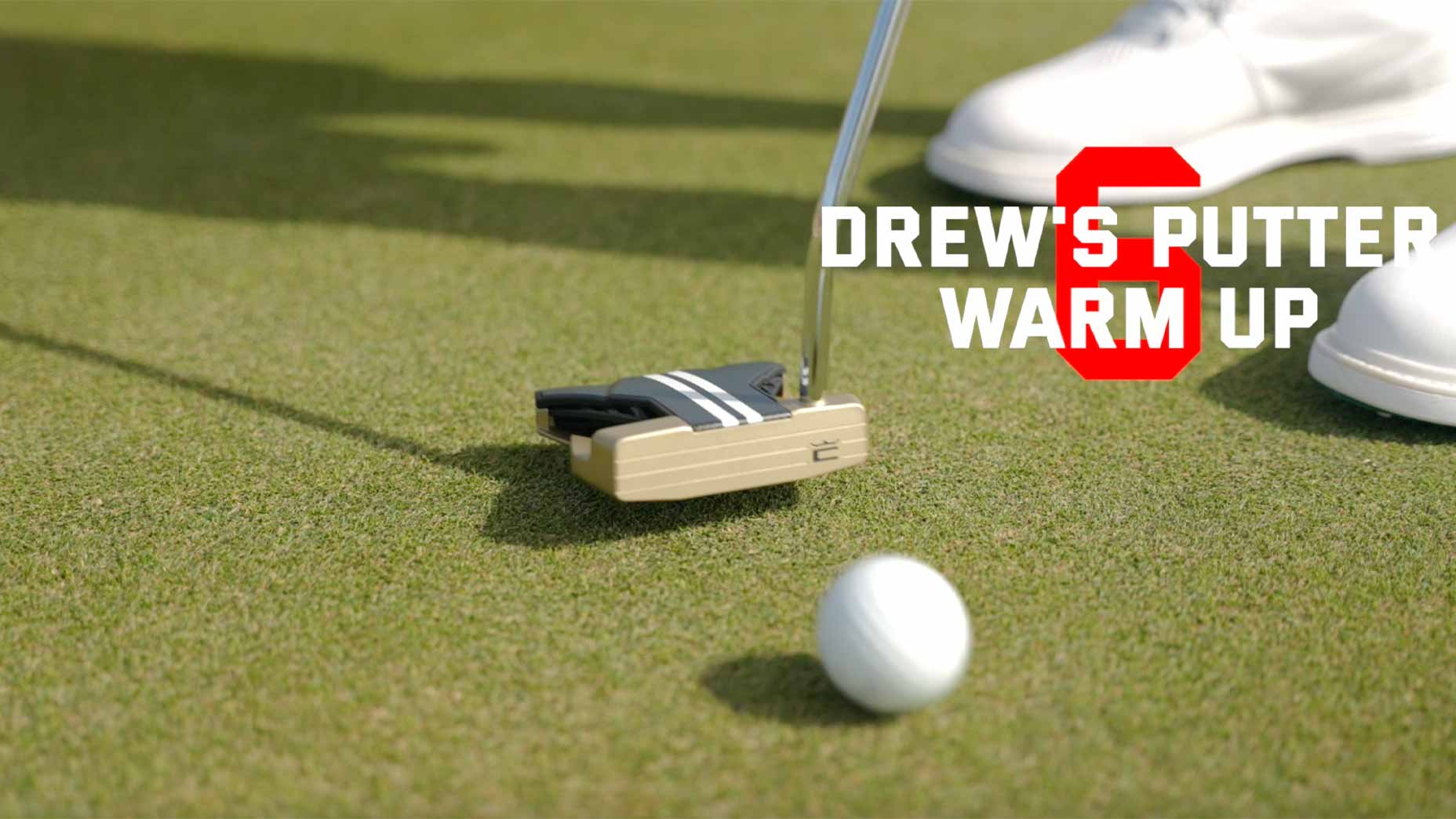
The debate between blade and mallet putters has never really disappeared. Blade putters, with their traditional, slender designs, have long been the tool of choice for many professional golfers. Their popularity stems from the precision they provide and the feedback felt when striking the ball. However, in recent years, the golf world has seen a shift toward mallet putters. The broader designs of mallet putters help increase stability during the swing, which is crucial for reducing variability in the ball's path.
Statistics show that most professional golfers in the top 100 of the world rankings have the mallet as their preferred choice. In 2022, approximately 60% of tour players used a mallet putter, a remarkable increase from previous years. This seems to confirm that stability and consistency in putting are essential factors for success on the golf course.
Blade or mallet: what do the statistics say?
To better understand the effectiveness of both types of putters, it is useful to look at performance figures. Research has shown that players using mallet putters achieve better average putting statistics than those opting for blade models. For instance, the average putting percentage with a mallet on distance putts over 12 feet is significantly higher, with differences up to 5% in some tournaments.
Blade putters, on the other hand, excelled in situations where accuracy is of great importance, particularly for shorter putts within 6 feet. Players accustomed to the sensitivity and responsiveness of a blade putter tend to have more confidence in their execution at shorter distances.
An influential study examining the performance of amateur golfers revealed that amateur players experienced significant improvements in their putting results after switching to a mallet putter. The figures indicated that the percentage of successful putts increased by 7% after the switch, justifying the choice of a mallet for many.
In their own words
"I've always played with blade putters, but the stability of my new mallet has helped me gain more confidence, especially on crucial putts."
— A tournament participant
"It all comes down to personal preference. For most amateurs, we suggest giving the mallet a chance, but if you're better with a blade, you should definitely keep using it."
— Golf coach
What this means for golfers
The choice between a blade and a mallet putter is more than just a trend; it directly affects golfers' performance. For recreational golfers, it is essential to understand their own style and specific strengths. It is advisable to test various types of putters before making a final choice. Utilizing modern technology and analytical tools can also help golfers make better decisions based on their personal statistics.
When looking for a new putter, it makes sense to compare the features of different models. Consider the stance, weight, and the level of stability that the putter offers. Investing in a mallet putter can be a smart move for most amateurs.
What’s next?
As golf technology and playing styles continue to evolve, it is likely that the choice between blade and mallet putters will remain a lasting topic of discussion. Upcoming tournaments will provide us with more insight into the performances of both styles, and it will be interesting to see if the trend toward mallet putters persists. As the golf community continues to focus on research and statistics, we can expect more golfers to become informed about the best choices for their game, potentially leading to progressive improvements on the green.

/https%3A%2F%2Fcdn.pijper.io%2F2026%2F06%2FRkUgIHk3UBT3tw1781080975.jpg)