
Context and background
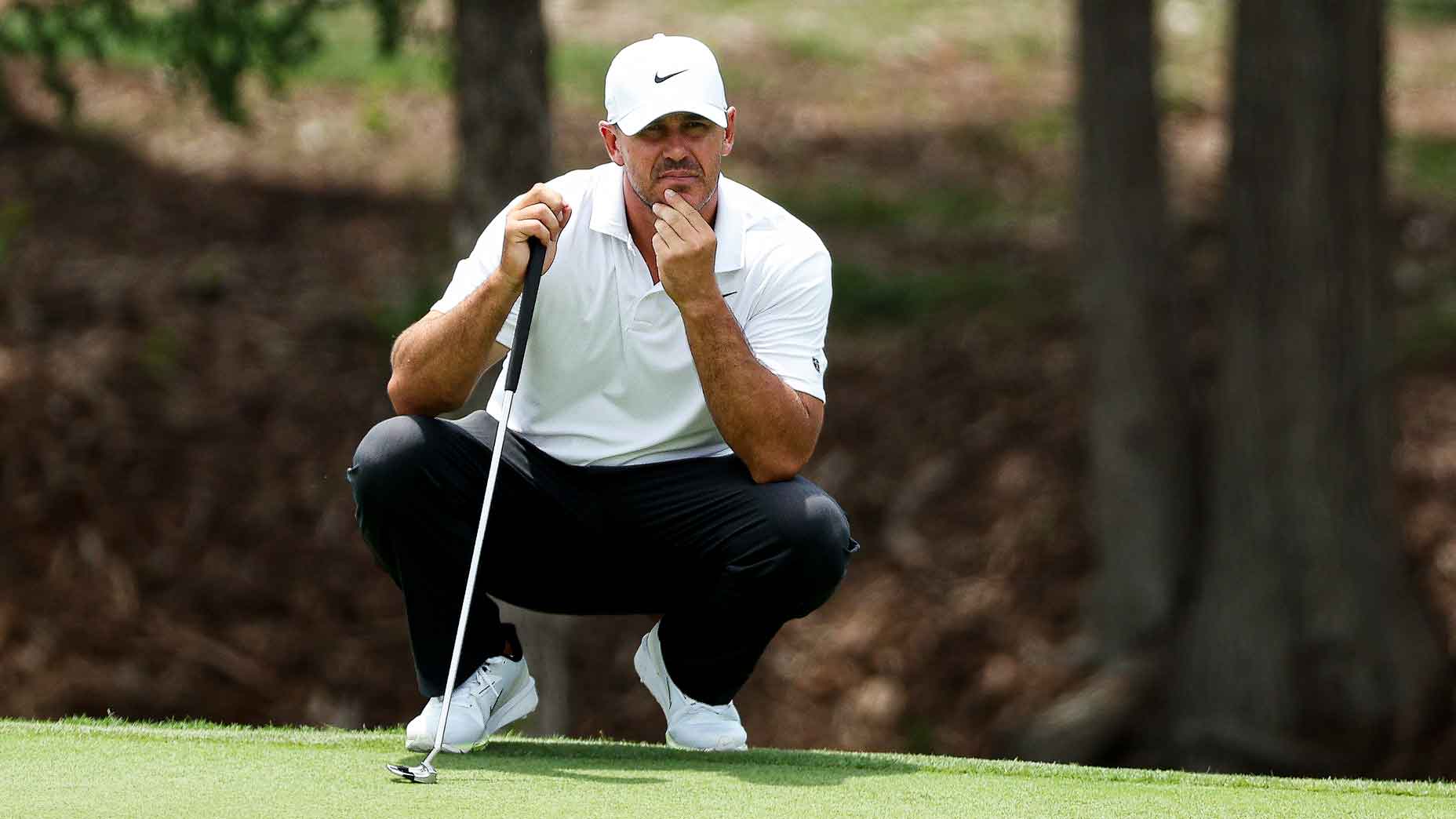
Brooks Koepka, a name synonymous with excellence in professional golf, has carved a niche for himself with a remarkable resume highlighted by five major championship victories. Since turning professional in 2012, he has consistently ranked among the elite players globally, demonstrating not only a strategic approach toward the game but also an unwavering commitment to his physical fitness. These attributes have positioned him as a formidable opponent, particularly when it comes to major tournaments, where he has historically thrived.
However, recent events have cast a shadow over Koepka's illustrious career. The RBC Canadian Open brought to light an injury concern that could hinder his ambitions in the upcoming U.S. Open. Throughout his career, Koepka has faced various injuries that have impeded his performance on different occasions, yet he has remained resilient, managing to excel during critical moments. This tenacity has been a defining characteristic of his career, but the incident during this year’s RBC Canadian Open underscores a troubling trend.
Injury woes threaten Koepka's U.S. Open ambitions
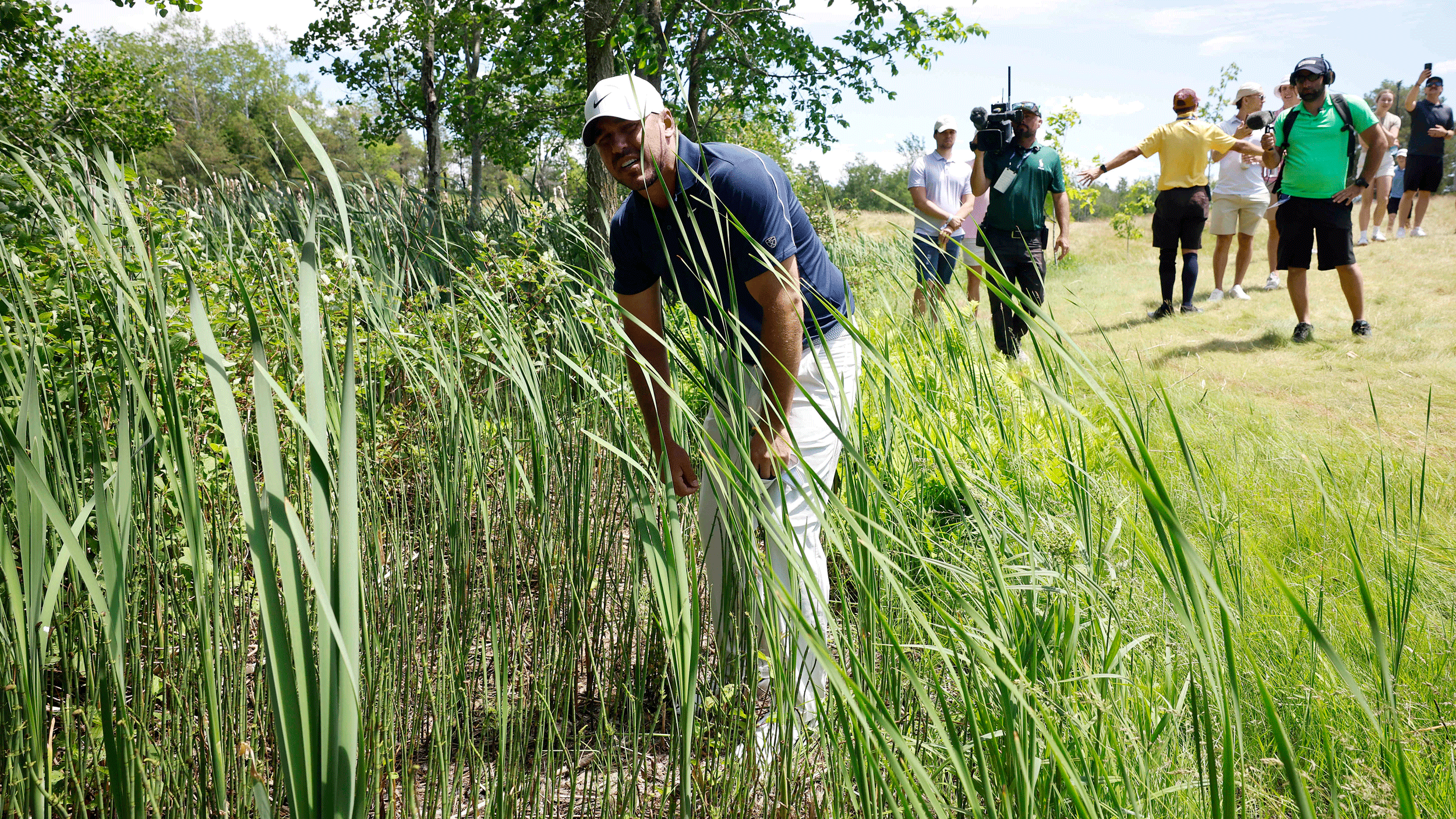
During the third round at TPC Toronto, the competitive atmosphere shifted as Koepka struggled with an apparent hand injury. Reports surfaced that he was experiencing increasing difficulties gripping his clubs, an essential aspect of effective play for any golfer. As the round progressed, he lost feeling in the ring and pinkie fingers of his left hand, leading him to withdraw from the tournament before the final round was set to commence. This unforeseen withdrawal raised alarm bells not only for his immediate participation in the RBC Canadian Open but also for his aspirations at the U.S. Open, which is scheduled for the following week.
The nature of Koepka’s injury is still shrouded in uncertainty. Symptoms suggest it could be nerve-related or potentially a strain that has developed through the physical strain of professional play. As someone who has triumphed under physical duress in the past, Koepka is no stranger to facing challenges; however, this latest ailment poses significant questions about his readiness for another major championship. As golf enthusiasts and analysts speculate on the implications, Koepka’s ability to rally and return to form is being closely monitored.
In their own words
"It's frustrating when you feel like you can't play at your best due to an injury. I want to compete, especially with the U.S. Open coming up, but I need to listen to my body."
— Brooks Koepka
What's next
As Koepka recuperates from this latest injury setback, the golf community remains vigilant and hopeful regarding his progress. With the U.S. Open looming, a tournament that carries its own weight of historical significance and competitive intensity, his participation hangs in the balance. Fans and analysts are collectively holding their breath, eager to see if he can rebound quickly enough to contest for another major title.
If Koepka can heal rapidly, there remains a legitimate possibility for him to add to his formidable major championship tally, which would only serve to solidify his status in the pantheon of golf history. Conversely, should his condition prove to be more serious than initially assessed, it may prompt a broader conversation about injury management within outdoor sports and its effect on an athlete's performance during high-pressure competitions.
As the days count down to the U.S. Open, all eyes will undoubtedly focus on Koepka. His sheer tenacity and dedication to the sport are on full display, and how he manages this physical test could very well mark another pivotal chapter in his illustrious career.